


What's Happening?
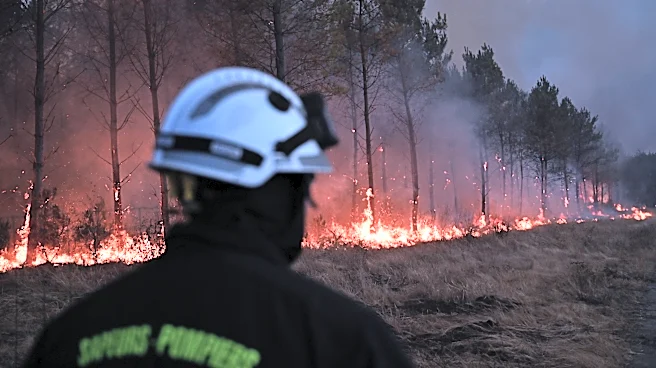
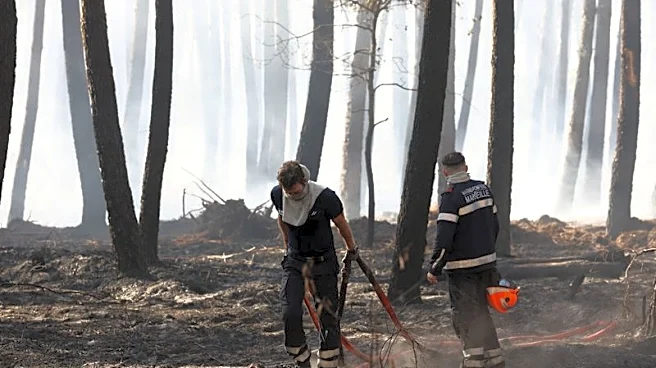
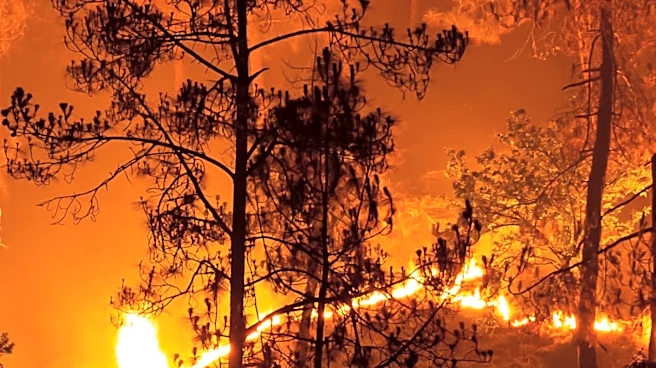
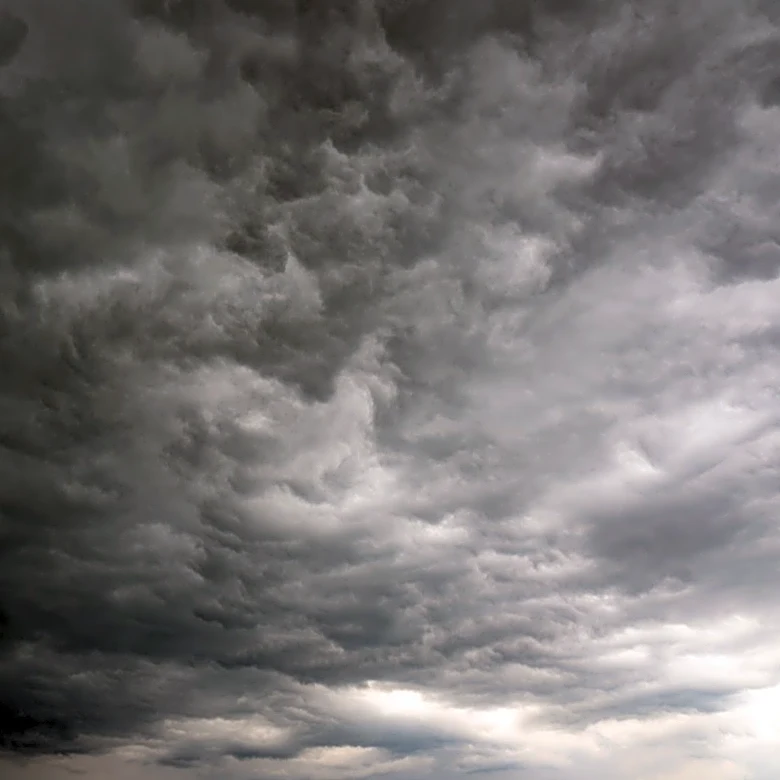
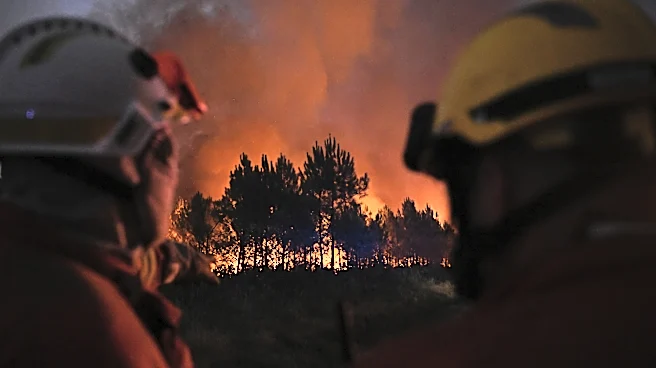
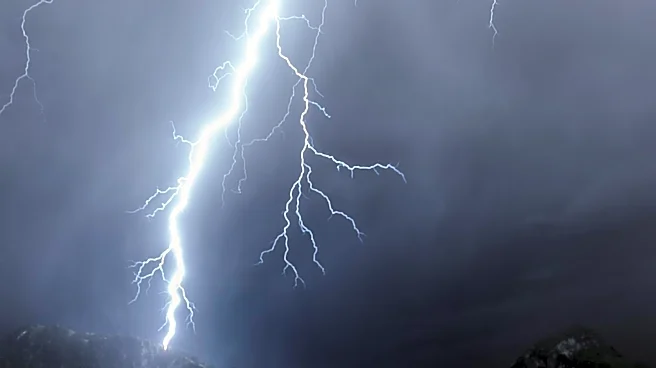
A severe wildfire near Saumos in southwestern France has become intense enough to generate a pyrocumulonimbus cloud, a type of thunderstorm created by the heat and smoke from the fire itself. This phenomenon, also known as a 'fire cloud', can produce
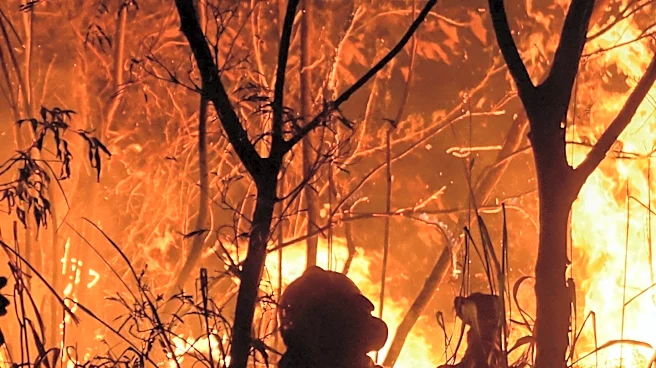
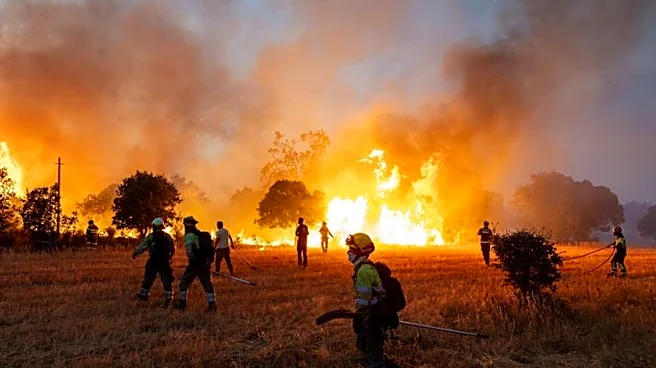
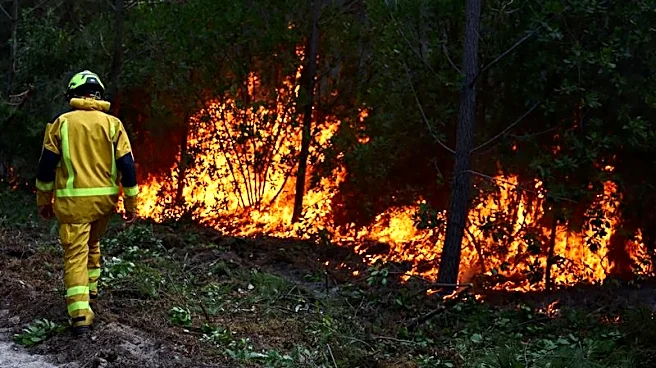
powerful winds, lightning, and even spark new fires, complicating firefighting efforts. The fire cloud emerged as Europe faces an intense wildfire season, with heatwaves and droughts drying out vegetation across France, Spain, Greece, and Turkey. The Gironde fires in France have burned through 42,000 hectares, forcing evacuations and challenging firefighters. The fire cloud acts like a giant chimney, pulling in air and feeding the flames, while also carrying embers over long distances and generating lightning that can ignite new fires.
Why It's Important?
The formation of a pyrocumulonimbus cloud over France highlights the increasing severity and unpredictability of wildfires in Europe. This event marks the first recorded instance of such a cloud in France, raising concerns about the potential for more frequent occurrences as climate conditions change. The ability of these clouds to create their own weather systems poses significant challenges for firefighting efforts, as they can rapidly change fire behavior and spread flames unpredictably. The event underscores the broader impact of climate change, as rising temperatures and prolonged droughts create conditions conducive to more intense and widespread wildfires. This development could have long-term implications for fire management strategies and emergency response planning in Europe.
What's Next?
As the wildfire season continues, there is potential for more pyrocumulonimbus clouds to form if similar conditions persist. Firefighters and emergency services may need to adapt their strategies to account for the unpredictable nature of these fire-generated storms. Scientists and policymakers may also need to consider the implications of such events for future climate and fire management policies. The current situation in France could serve as a case study for understanding the dynamics of fire clouds and their impact on wildfire behavior, potentially informing future research and policy decisions.
Beyond the Headlines
The emergence of a pyrocumulonimbus cloud in France raises questions about the long-term effects of climate change on wildfire behavior and the potential for similar events in other regions. As Europe experiences more extreme weather patterns, the risk of such fire-generated storms may increase, necessitating a reevaluation of current fire management practices. This event also highlights the need for international collaboration in addressing the challenges posed by climate change and its impact on natural disasters. The ability of wildfires to create their own weather systems could have far-reaching implications for environmental policy and disaster preparedness.