


What's Happening?
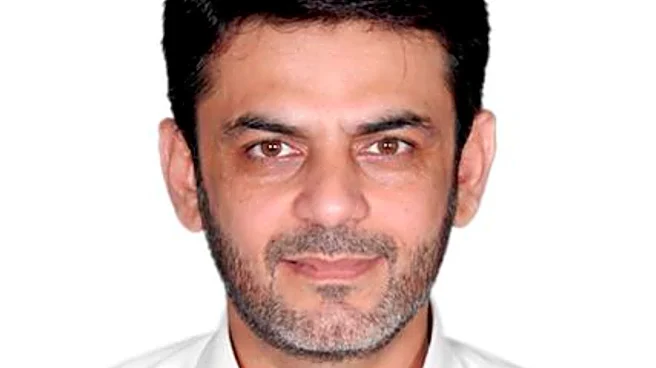
An NYPD officer, Sorffly Davius, who was also serving as a major in the Army National Guard, died in Kuwait after suffering a medical episode. Officer Davius was deployed with the New York Army National Guard’s 42nd Infantry Division at Camp Buehring.
His death has prompted tributes from New York leaders and the military community. Davius joined the NYPD in 2014 and served in Brooklyn’s 79th Precinct. He was recognized for his dual role as a 'Citizen Soldier,' balancing his duties as a police officer and a member of the military. New York City Mayor Zohran Kwame Mamdani and NYPD Commissioner Jessica Tisch expressed their condolences, highlighting Davius's dedication to public service. New York Governor Kathy Hochul also paid tribute, emphasizing the sacrifices made by National Guard members who serve both domestically and overseas.
Why It's Important?
The death of Officer Davius underscores the significant contributions and sacrifices made by members of the National Guard, who often juggle civilian careers with military responsibilities. This incident highlights the dual role of National Guard members as both protectors of their local communities and as soldiers serving on international missions. The loss of Davius is a reminder of the risks faced by those who serve in the military, even in non-combat roles. It also brings attention to the support systems needed for service members and their families, as they navigate the challenges of dual service. The tributes from political and military leaders reflect the high regard in which Davius was held and the broader appreciation for the service of National Guard members.
What's Next?
Following Officer Davius's death, there may be increased focus on the health and well-being of deployed National Guard members. This could lead to reviews of medical support and emergency response protocols for service members stationed overseas. Additionally, the NYPD and the Army National Guard may hold memorial services to honor Davius's service and sacrifice. The incident may also prompt discussions on how to better support the families of service members who balance dual roles. Political leaders might advocate for enhanced benefits or support systems for National Guard members and their families, recognizing the unique challenges they face.