





What's Happening?
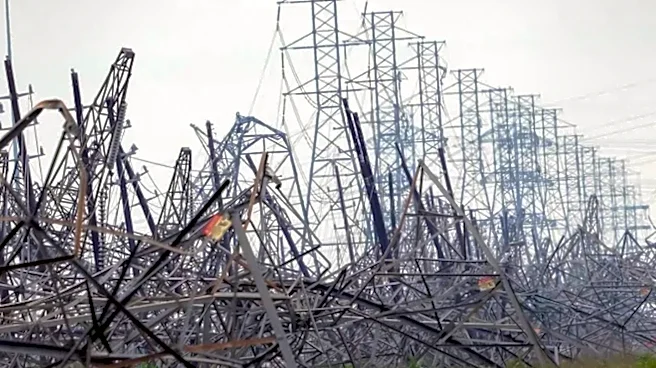
Riverside, California, is actively engaged in grid modernization efforts to combat escalating power outages caused by aging infrastructure, increasing energy demand, and extreme weather conditions. Last summer, residents experienced numerous blackouts,
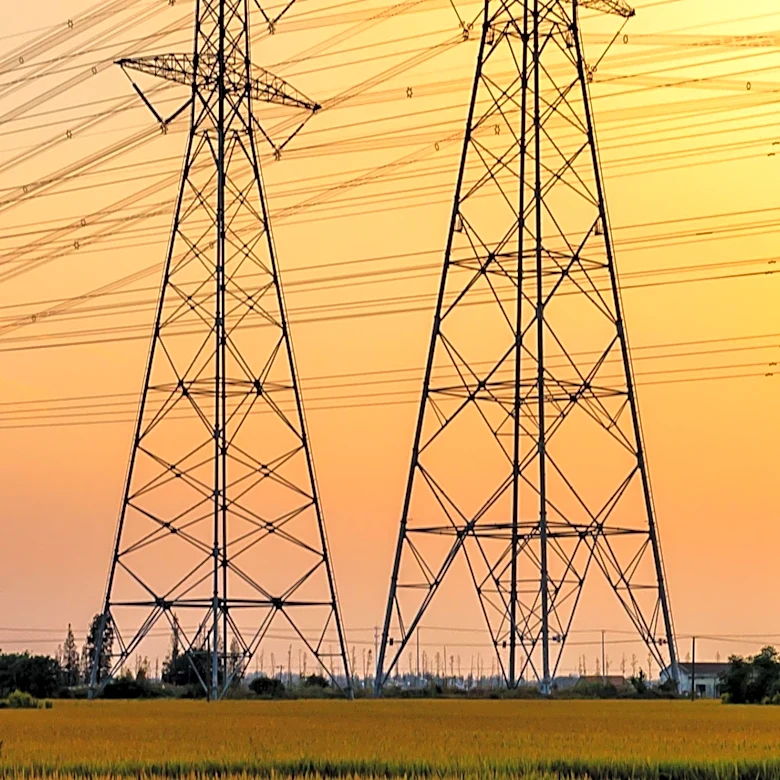
highlighting the fragility of the local electrical grid. The city's strategy includes replacing old transformers, upgrading substations, and moving vulnerable power lines underground. These initiatives are deemed crucial by regional officials to support population growth, foster economic development, and ensure public safety, especially as climate change intensifies. The expansion of telecommunications networks, particularly 5G, also necessitates robust grounding systems for towers and base stations, further driving the need for grid enhancements. The modernization efforts aim to create a more resilient network capable of withstanding environmental pressures and meeting growing energy needs.
Why It's Important?
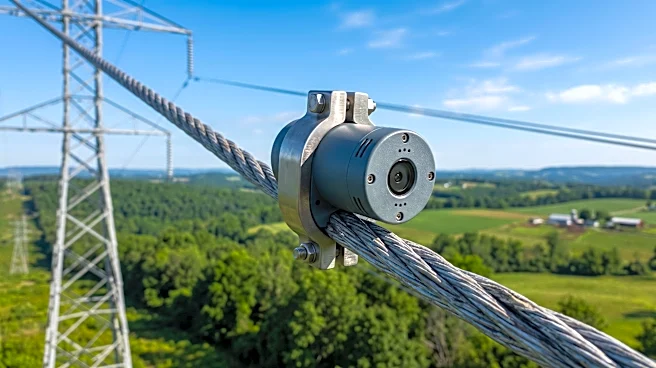
The modernization of Riverside's electrical grid is vital for several reasons. Firstly, it directly impacts public safety and quality of life, as power outages can disrupt essential services, compromise food preservation, and endanger individuals reliant on medical devices. Secondly, reliable power is fundamental for economic stability, preventing revenue losses for businesses and ensuring operational continuity for schools and community centers. Thirdly, these efforts are critical for adapting to climate change, as extreme weather events become more frequent and severe. The investment in advanced monitoring systems and smart grid technologies will enable more precise load management and better integration of renewable energy sources, aligning with broader national trends towards sustainable energy. The challenges faced by Riverside mirror those in many U.S. communities, making its modernization strategies a potential blueprint for others grappling with similar issues.
What's Next?
Looking ahead, Riverside faces the ongoing challenge of balancing the costs and pace of grid modernization with the immediate need for reliable service. Continued investment in grid resilience, stricter vegetation management codes, and enhanced emergency response plans are anticipated. Public education campaigns will also play a role in preparing residents for future outages. Utility companies will prioritize restoring power to essential services like hospitals and emergency communications during blackouts, while keeping residents informed through various channels. The integration of advanced technologies, such as sensors and automated switches, will continue to reduce the duration of outages. The lessons learned from each power outage event will inform future infrastructure decisions and policy discussions, shaping the long-term reliability of the power supply for residents and businesses.
Beyond the Headlines
The grid modernization efforts in Riverside underscore a broader national imperative to upgrade aging infrastructure in the face of evolving environmental and technological landscapes. Beyond immediate reliability, these initiatives touch upon critical ethical and societal dimensions. Ensuring equitable access to resilient power infrastructure, particularly for vulnerable populations, is a key consideration. The increasing reliance on digital technologies, including 5G networks, highlights the interconnectedness of various critical infrastructures and the need for a holistic approach to resilience. The shift towards smart grids and renewable energy integration also raises questions about data security and privacy. Ultimately, the success of Riverside's modernization will not only be measured by fewer blackouts but also by its ability to foster a more sustainable, secure, and equitable energy future for its community.