
What's Happening?
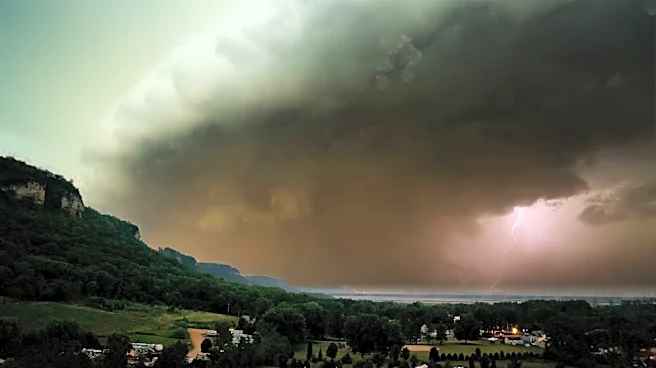
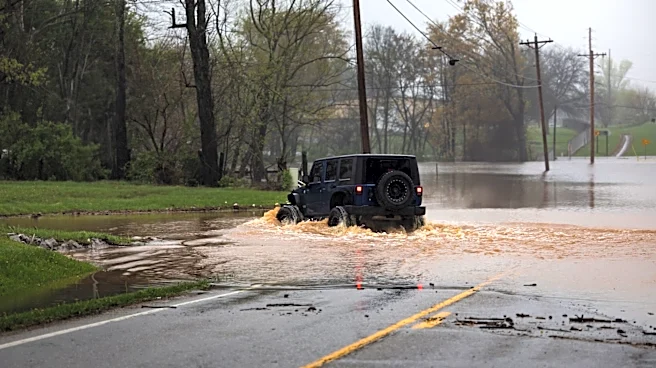
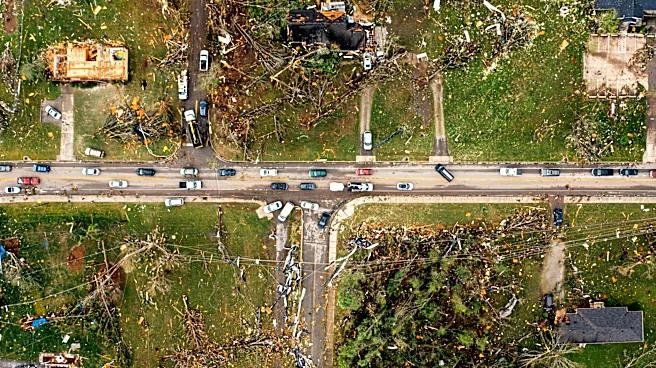
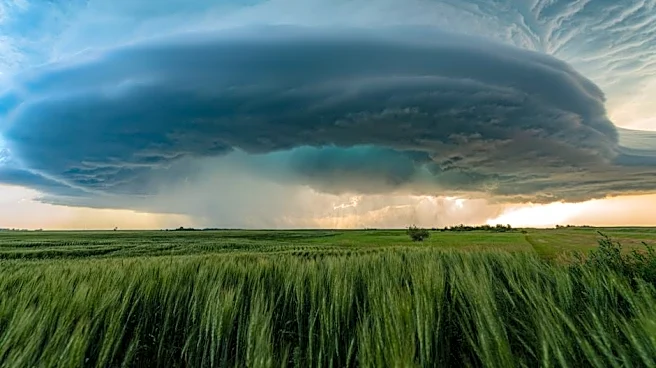
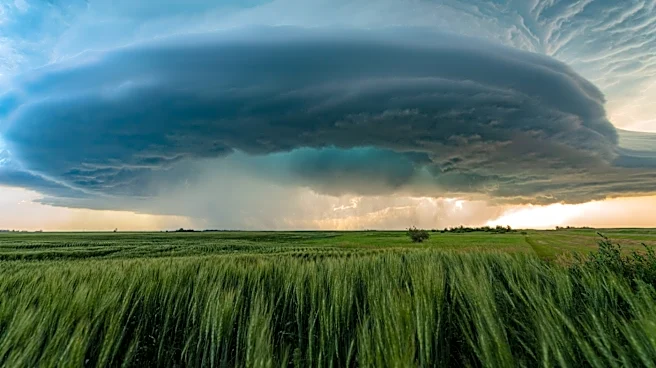
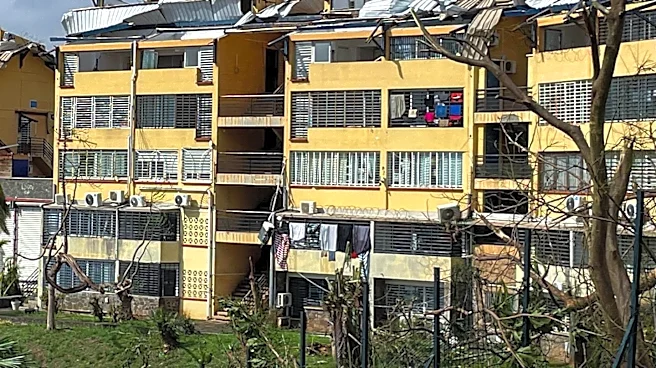
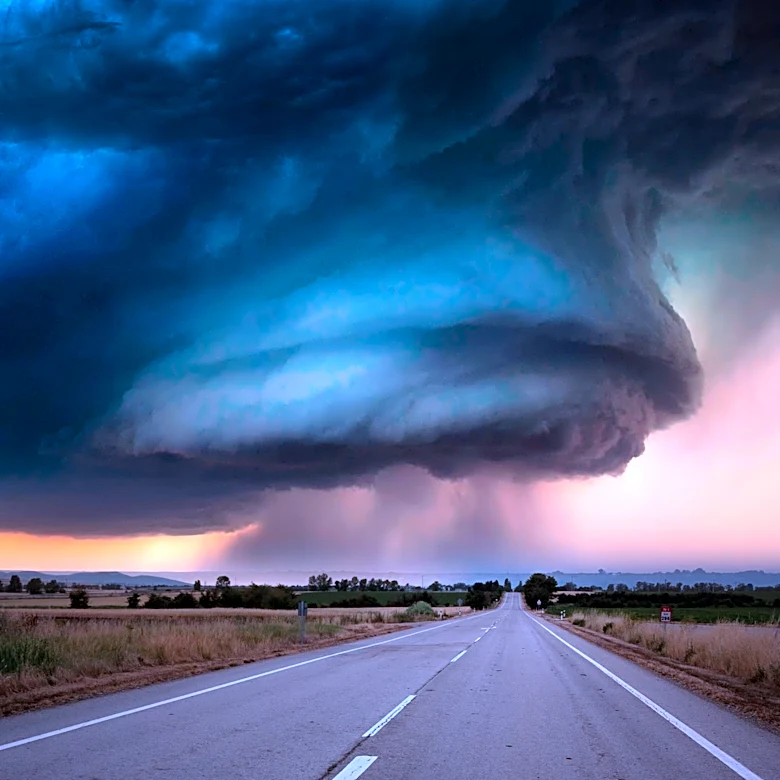
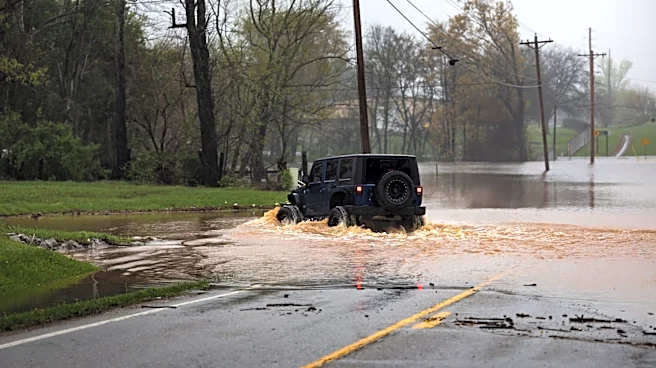
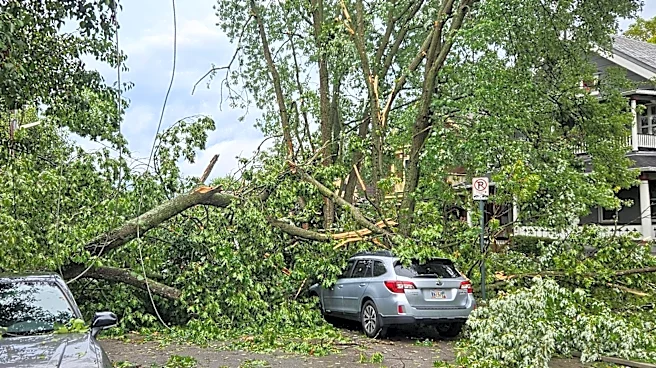
Severe weather has struck the Midwest, resulting in multiple fatalities and significant damage. A 4-year-old boy was killed in Indiana when a tree fell on a home, and another person in Ohio died during a health emergency when first responders couldn't
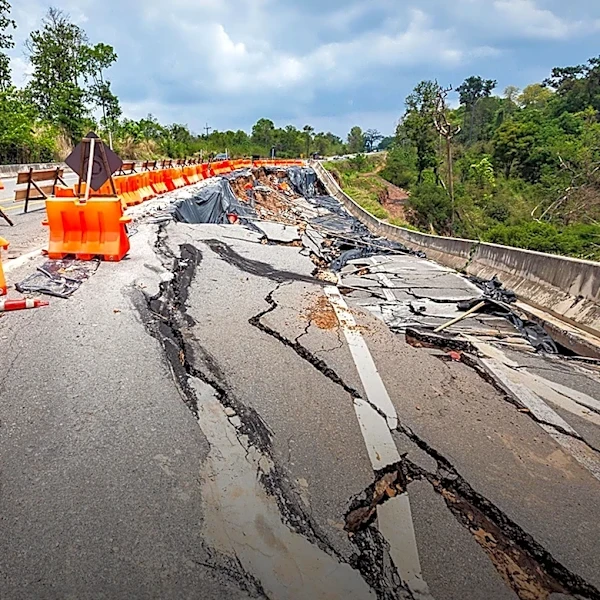
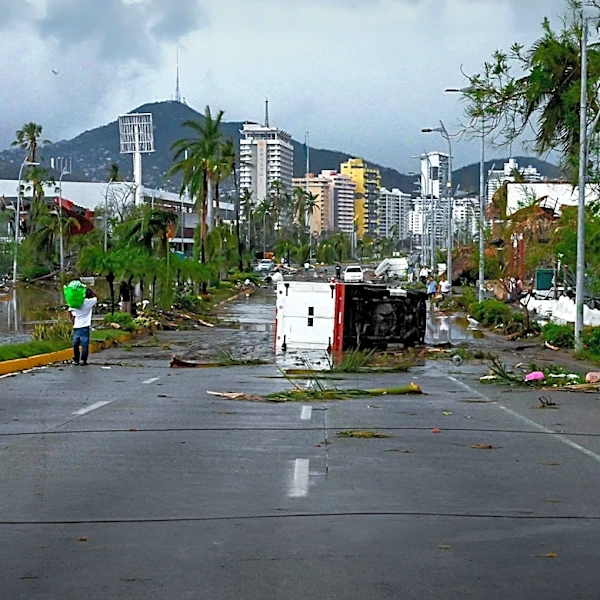
reach them due to flooded roads. The storms have caused widespread damage, including tornadoes, flash flooding, and wind gusts exceeding 99 mph in Indiana. Hundreds of thousands of customers are without power, and emergency services are actively rescuing people from floodwaters and clearing downed trees and power lines. The National Weather Service has issued flash flood warnings and watches across several states, and a state of emergency has been declared in some areas.
Why It's Important?
The severe weather in the Midwest highlights the vulnerability of infrastructure and emergency response systems to extreme weather events. The fatalities and widespread damage underscore the urgent need for improved disaster preparedness and response strategies. The power outages and road closures have disrupted daily life and economic activities, affecting thousands of residents and businesses. The situation also raises concerns about the increasing frequency and intensity of severe weather events, potentially linked to climate change, which could have long-term implications for public safety and infrastructure resilience.
What's Next?
Emergency services are continuing rescue operations and efforts to restore power and clear debris. The National Weather Service warns that severe thunderstorm and heavy rainfall threats will persist across the Plains, Midwest, Ohio Valley, and central Appalachians in the coming days. Local authorities are likely to assess the damage and coordinate recovery efforts, while residents are advised to remain vigilant and prepared for further severe weather. The situation may prompt discussions on enhancing infrastructure resilience and emergency response capabilities to better handle future extreme weather events.