



What's Happening?
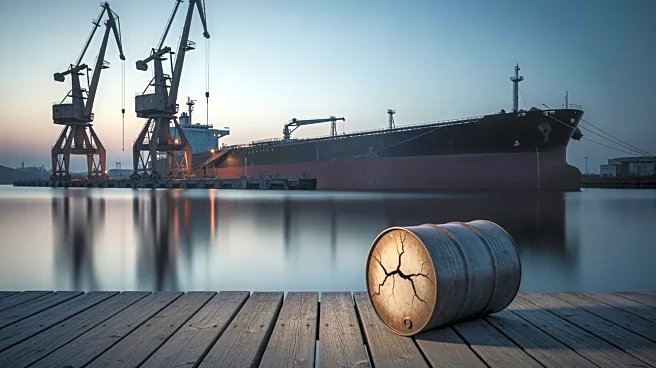
Cuba is experiencing a severe economic crisis exacerbated by the cessation of oil shipments from Venezuela following the removal of Nicolás Maduro from power. The halt in oil supply has intensified Cuba's existing economic challenges, which have been
building over the past decade. Michael Bustamante, a professor of Cuban and Cuban-American Studies at the University of Miami, discusses the historical context and the potential for political and economic reform in Cuba. The country's reliance on Venezuelan oil has been a critical component of its energy strategy, and the sudden stop in supply is expected to worsen the economic situation.
Why It's Important?
The cessation of Venezuelan oil shipments to Cuba is significant as it highlights the fragility of Cuba's economic infrastructure, which heavily depends on external support. This development could lead to increased energy shortages and further economic instability, affecting the daily lives of Cuban citizens. The situation also underscores the geopolitical shifts in Latin America, where changes in leadership can have profound impacts on regional alliances and economic dependencies. For the U.S., this could influence its foreign policy approach towards Cuba and Venezuela, potentially affecting diplomatic relations and economic sanctions.
What's Next?
Cuba may need to seek alternative energy sources or negotiate new trade agreements to mitigate the impact of the oil supply disruption. The Cuban government might also face increased pressure to implement economic reforms to stabilize the economy. Internationally, this situation could prompt discussions among Latin American countries about regional cooperation and energy security. The U.S. might also reassess its stance on Cuba, considering the broader implications for regional stability and its own strategic interests in the Caribbean.