



What's Happening?
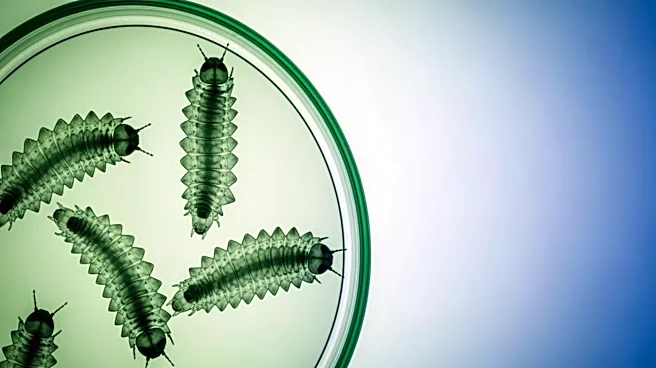
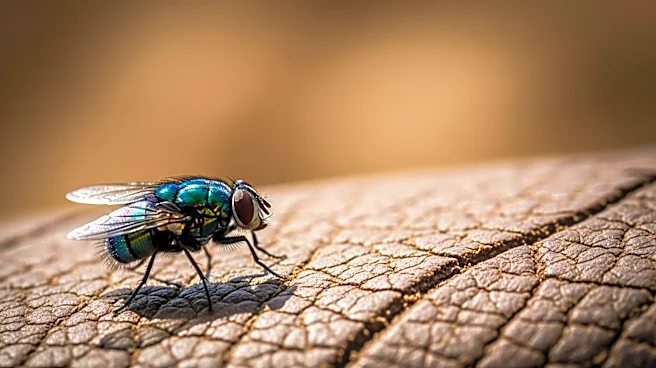
The U.S. Department of Agriculture's Animal and Plant Health Inspection Service (APHIS) has confirmed the detection of a New World screwworm in a calf in Zavala County, Texas. This pest is known for causing severe damage to livestock by burrowing into
the flesh of living animals, leading to significant economic losses. The affected animal, a 3-week-old calf, was found with larvae in its umbilical area. This detection has prompted immediate responses from agricultural groups, including R-CALF USA and the National Cattlemen's Beef Association (NCBA). Both organizations emphasize the need for a coordinated response to protect the national cattle herd and the broader livestock industry. The USDA is working to increase resources for surveillance and treatment, including the establishment of a domestic sterile fly facility to combat the pest.
Why It's Important?
The detection of the New World screwworm in Texas poses a significant threat to the U.S. livestock industry, which is a critical component of the national economy. The pest can cause severe damage to cattle, leading to economic losses for producers and potentially impacting the national food supply. The response from agricultural groups highlights the urgency of addressing this issue to prevent further spread and protect the interests of American cattle producers. The situation underscores the importance of vigilance and rapid response in managing agricultural pests, which can have far-reaching implications for food security and economic stability.
What's Next?
In response to the detection, the USDA and agricultural groups are focusing on eradication efforts. This includes increasing fly surveillance, expediting the availability of necessary drugs and treatments, and investing in sterile fly dispersal methods. The NCBA is committed to using all available tools to ensure the screwworm is eradicated from the U.S. once again, as it was in the 1960s. Livestock producers are urged to monitor their animals closely and report any suspected cases to veterinarians. The situation will require ongoing coordination between federal agencies, state organizations, and producers to effectively manage and eliminate the threat.