



What's Happening?
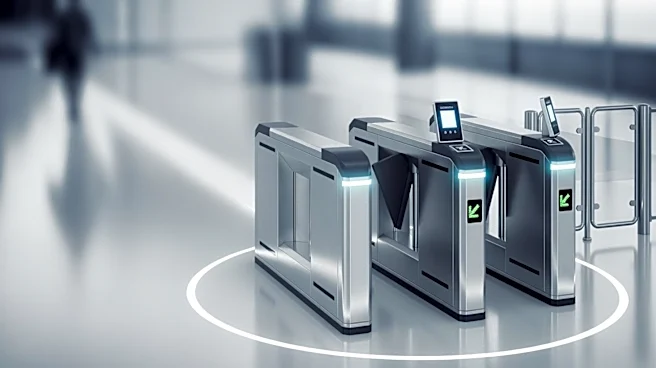
The Bay Area Rapid Transit (BART) system has implemented new fare gates designed to reduce fare evasion and vandalism. These six-foot-tall gates have replaced older, easily bypassed barriers, resulting in a projected $10 million increase in revenue and a significant
drop in crime. The new gates have sparked debate over their impact on low-income riders and the homeless, with some critics labeling them as anti-poor and ableist. Despite these concerns, BART officials argue that the gates are necessary to maintain order and financial stability.
Why It's Important?
The introduction of these fare gates is a critical development for public transit systems facing financial challenges and public safety concerns. By reducing fare evasion and vandalism, BART aims to improve the overall transit experience and ensure financial viability. However, the controversy surrounding the gates highlights the ongoing tension between security measures and social equity. The debate reflects broader societal issues about access to public services and the balance between enforcement and inclusivity.
What's Next?
BART's success with the new fare gates may influence other transit systems to adopt similar measures. However, the agency must address concerns about accessibility and fairness to maintain public support. The upcoming vote on a sales tax to fund public transit will be a critical test of public opinion on BART's approach. If the tax measure fails, BART may face difficult decisions about service reductions. The outcome will likely shape future discussions on transit funding and policy.