






What's Happening?
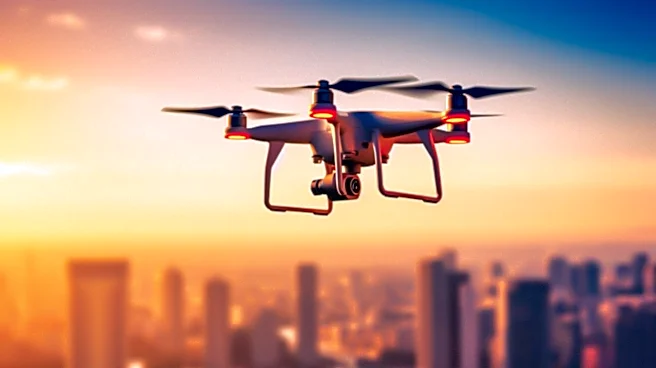
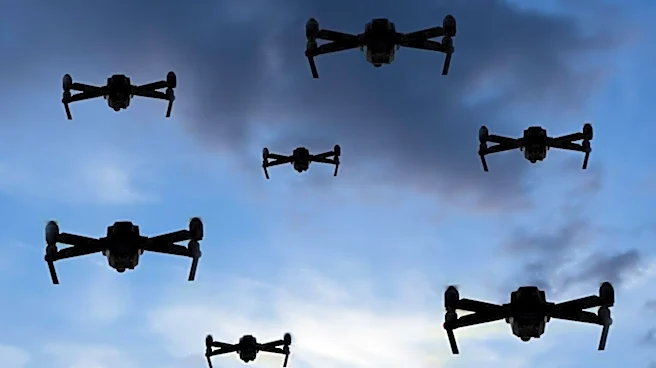
A recent report highlights the growing threat of drones being used by extremists and criminals to target critical infrastructure. Low-cost unmanned aerial vehicles (UAVs) are making it easier for threat actors to conduct surveillance and potentially carry
out disruptive or destructive attacks. The report suggests that while large-scale attacks are unlikely in the immediate future, the threat is evolving towards more frequent reconnaissance and limited offensive use. Potential targets include airports, ports, energy facilities, and corporate events, which are more vulnerable due to less restricted airspace.
Why It's Important?
The increasing use of drones by malicious actors poses a significant risk to national security and public safety. Critical infrastructure, including healthcare facilities, could face disruptions that impact essential services. The healthcare sector, in particular, is advised to develop risk management plans and protocols to handle potential drone-related threats. The report emphasizes the need for heightened awareness and preparedness to mitigate the risks associated with drone incidents, which could lead to critical infrastructure outages and compromise public safety.
What's Next?
Health organizations and other critical infrastructure sectors are expected to enhance their security measures and develop comprehensive response strategies to address the drone threat. Collaboration between government agencies, private sector entities, and international partners may be necessary to develop effective counter-drone technologies and policies. The situation may also lead to increased regulatory scrutiny and the implementation of stricter airspace controls to prevent unauthorized drone activities.