


What's Happening?
Senator Shelley Moore Capito (R-W.Va.) has called on President Trump to end the ongoing conflict with Iran, which has now lasted seven months. Speaking on NewsNation Live, Senator Capito highlighted that the prolonged conflict is causing frustration among
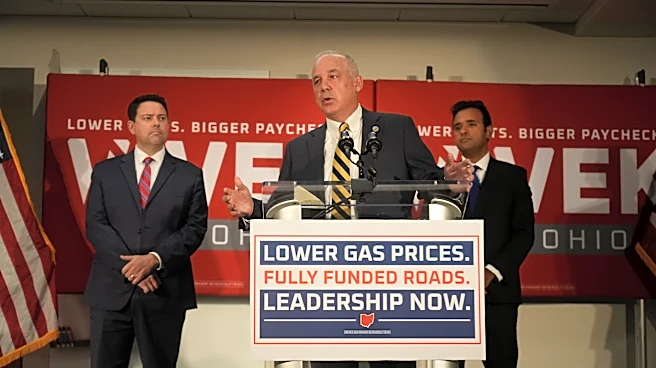
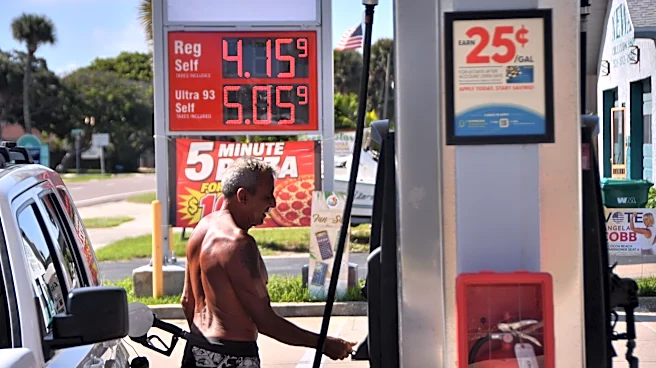
Americans, particularly due to the significant increase in fuel prices. She noted that President Trump had initially characterized the conflict as short-term, leading to expectations among the public that it would conclude much sooner. Senator Capito also mentioned that the issue of the conflict is being utilized by Republican Party candidates in their campaigns, indicating a growing political impact. Support for the war among Republican lawmakers is reportedly weakening. She affirmed that opening the Strait of Hormuz is a positive development and believes that economic pressure on Iran is beginning to yield results, referencing reports of increased openness in the strait.
Why It's Important?
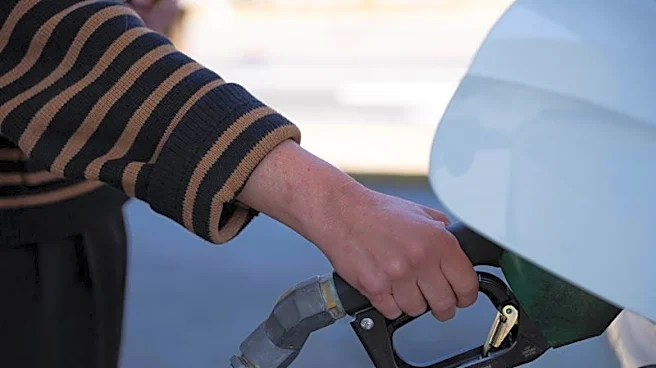
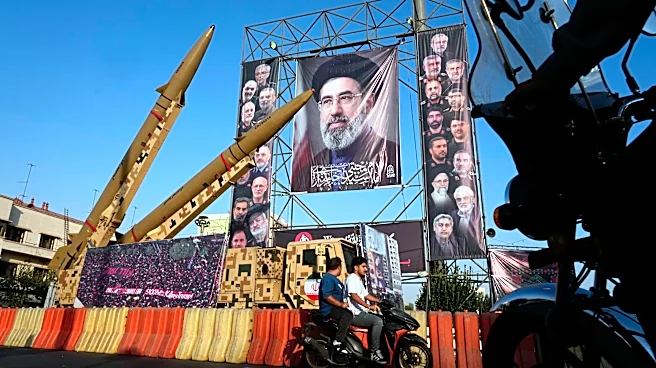
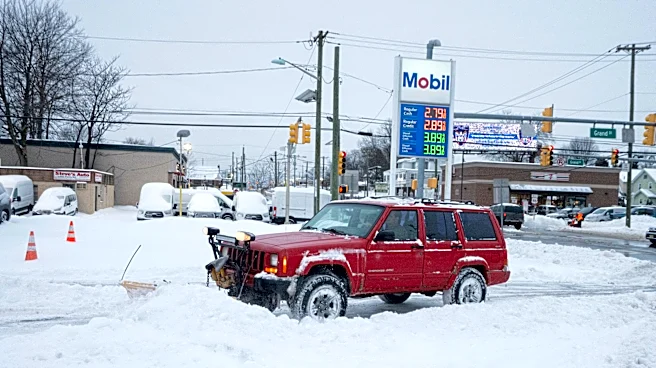
The call from a Republican Senator for President Trump to end the conflict with Iran underscores growing domestic pressure and shifting political sentiment regarding U.S. foreign policy in the Middle East. The seven-month duration of the conflict, coupled with soaring gas prices, directly impacts American households and the national economy. The average price of gasoline in the United States recently reached $4.48 per gallon, according to AAA, which can lead to increased cost of living concerns and potential economic instability. The Strait of Hormuz, a critical chokepoint for global oil exports, was effectively closed by Iranian authorities at the conflict's outset, disrupting approximately 20% of the world's oil supply. Its reopening, as noted by Senator Capito, is crucial for stabilizing global oil markets and alleviating domestic fuel costs. The weakening support for the war among Republican lawmakers also signals a potential shift in the party's stance, which could influence future legislative actions and foreign policy decisions.
What's Next?
President Trump recently rejected a seven-day peace initiative from Iranian negotiators that included opening the Strait of Hormuz and a ceasefire, but he indicated that further talks between U.S. officials and Iran are expected. This suggests that diplomatic efforts may continue despite the initial rejection. The ongoing discussions and the potential for a resolution to the conflict will likely influence global oil prices and, consequently, domestic gas prices in the U.S. The increasing pressure from lawmakers like Senator Capito, combined with public frustration over economic impacts, could prompt the administration to intensify efforts towards a diplomatic solution. The use of the conflict as a campaign issue by Republican candidates indicates that the Iran situation will remain a significant topic in upcoming elections, potentially shaping political discourse and voter sentiment. The continued monitoring of the Strait of Hormuz's accessibility will be crucial for assessing the effectiveness of economic pressures and the stability of oil supplies.
Beyond the Headlines
The prolonged conflict with Iran and its economic repercussions highlight the intricate link between U.S. foreign policy and domestic economic stability. The rising gas prices, directly attributed to the conflict and the disruption of oil routes like the Strait of Hormuz, illustrate how geopolitical tensions can translate into tangible financial burdens for American consumers. This situation also brings to light the ethical considerations of prolonged military engagements, particularly when initial promises of a 'short-term' conflict are not met. The erosion of support among Republican lawmakers suggests a re-evaluation of the strategic and economic costs of such interventions, potentially leading to a broader debate within the party about interventionist foreign policies. Furthermore, the reliance on economic pressure as a tool for resolution raises questions about its long-term effectiveness and the potential for unintended consequences on global trade and international relations. The public's growing concern over the cost of living, fueled by rising gas prices, could also influence future electoral outcomes, pushing political leaders to prioritize domestic economic well-being in their foreign policy decisions.