




What's Happening?
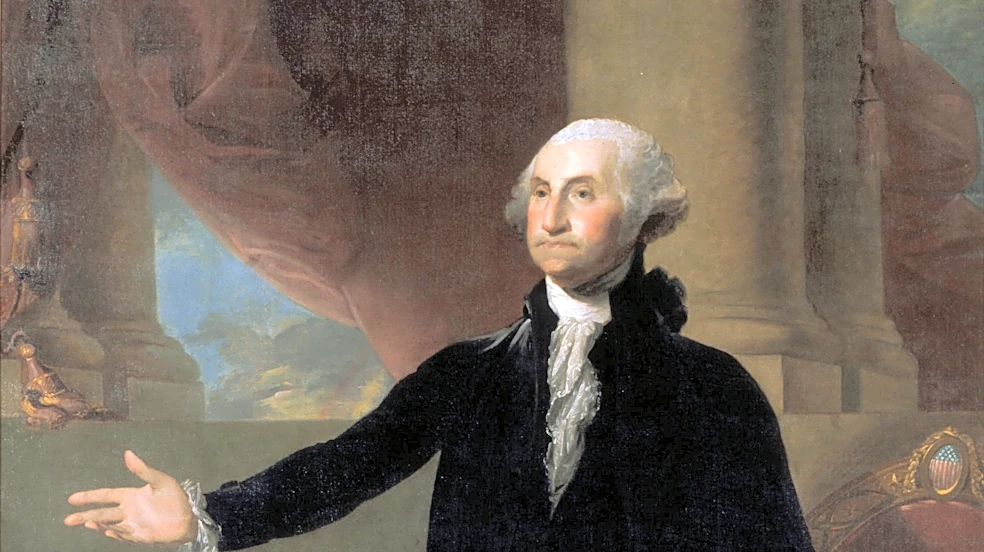
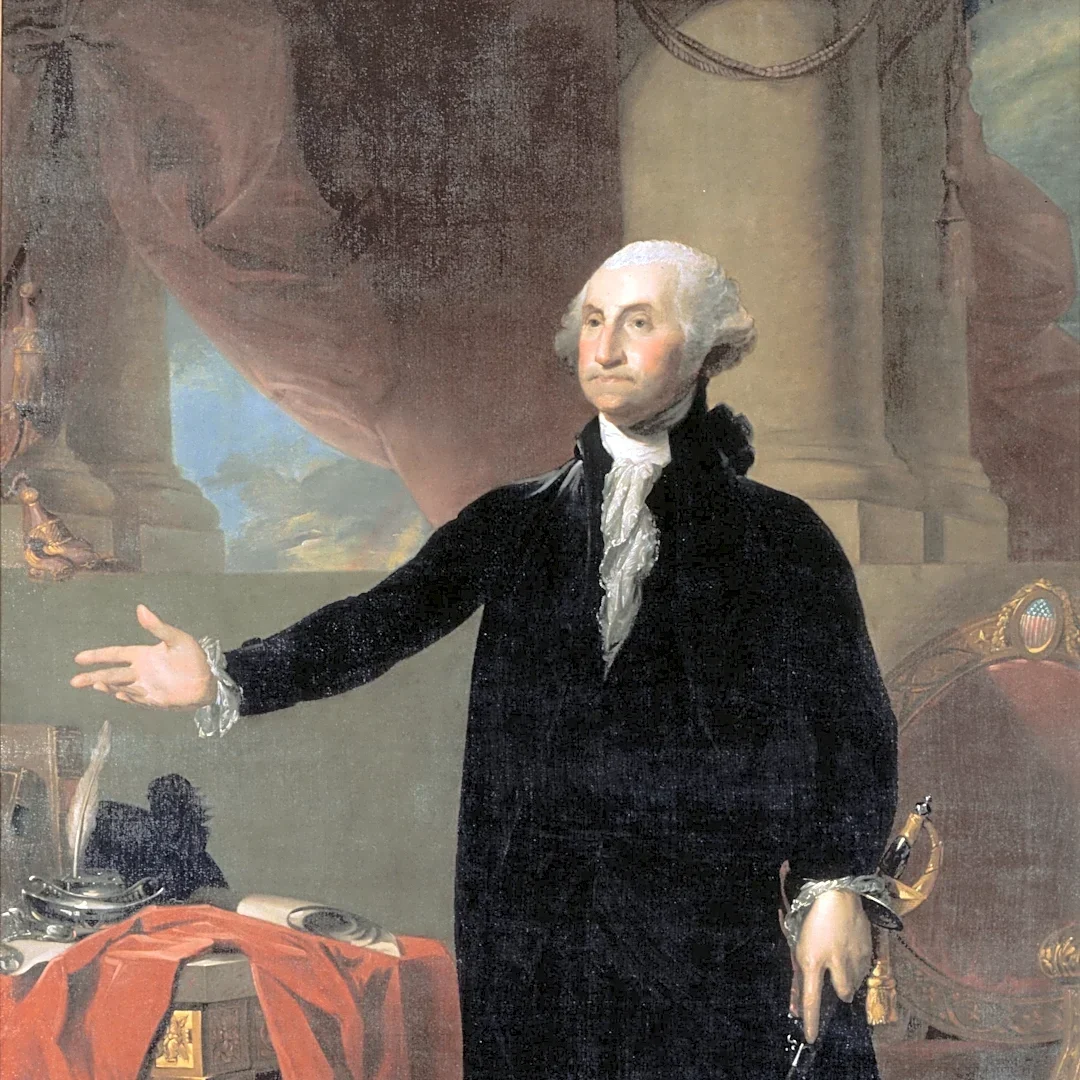
Major General Charles Lee signed an Oath of Allegiance and Fidelity while stationed with the Continental Army at Valley Forge, Pennsylvania. This oath was sworn before and also signed by George Washington, General and Commander in Chief of the Continental Army.
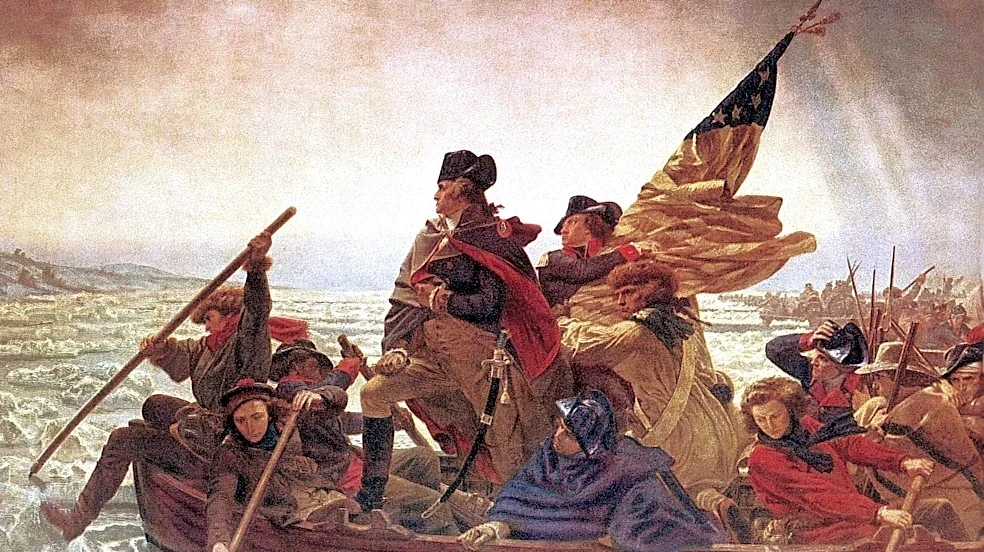
The requirement for this affirmation stemmed from a Congressional Resolve dated February 3, 1778, which mandated that every officer holding or set to hold a commission or office from Congress must take this oath. This historical event underscores a critical moment during the American Revolutionary War, emphasizing the commitment and loyalty expected from high-ranking military officials to the nascent United States government.
Why It's Important?
The signing of the Oath of Allegiance by Major General Charles Lee, witnessed by George Washington, is a significant historical event reflecting the efforts to solidify loyalty and discipline within the Continental Army during the Revolutionary War. At a time when the fledgling nation was fighting for its independence, ensuring the fidelity of its military leaders was paramount to maintaining unity and operational effectiveness. This act highlights the challenges faced by the Continental Congress and General Washington in establishing a cohesive military force. It also serves as a historical precedent for the importance of oaths of office and allegiance in military and governmental service, underscoring the foundational principles of loyalty and commitment to the United States.
What's Next?
Historically, the signing of such oaths was a measure to ensure stability and prevent defection within the military ranks during the Revolutionary War. For Major General Charles Lee, this oath was a formal declaration of his commitment to the American cause. The broader implications for the Continental Army were a reinforced sense of unity and a clearer chain of command, crucial for their ongoing struggle against British forces. This event contributed to the institutionalization of loyalty within the military, a practice that continues in various forms in modern U.S. military service. The historical record shows that such measures were vital in shaping the professional and ethical standards of the armed forces.