

What's Happening?
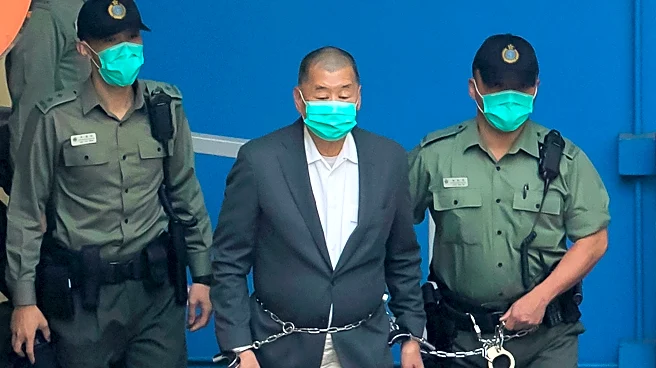
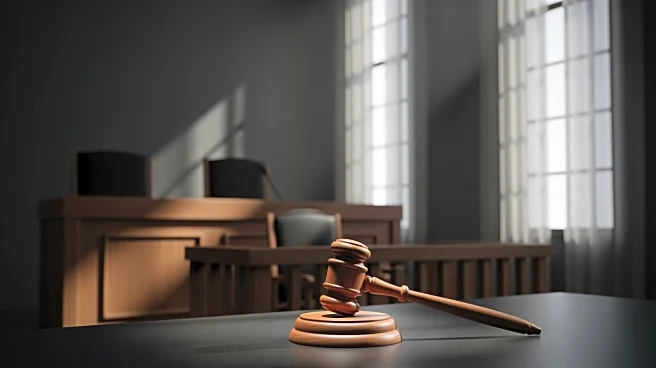
Hong Kong's High Court has commenced the national security trial of three former leaders of a disbanded group that organized annual vigils commemorating the 1989 Tiananmen Square crackdown. The trial involves Lee Cheuk-yan, Albert Ho, and Chow Hang-tung,
who face charges of 'inciting subversion of state power' under the national security law imposed by China in 2020. The charges carry potential sentences of up to 10 years in prison. The trial is significant as it challenges the limits of free expression and assembly in Hong Kong, which previously allowed such commemorations as a symbol of its relative freedom compared to mainland China.
Why It's Important?
This trial is a critical test of Hong Kong's judicial independence and the extent of China's influence over the region's legal system. The case has drawn international attention and criticism from rights groups, who argue that it represents an attempt to suppress dissent and rewrite history. The outcome could have significant implications for civil liberties in Hong Kong, as it may set a precedent for future cases involving charges of subversion under the national security law. The trial also highlights the ongoing tensions between pro-democracy activists and the Chinese government, which views the law as necessary to maintain order.
What's Next?
The trial is expected to continue with close scrutiny from international observers and human rights organizations. The court's decision will likely influence the future of political activism in Hong Kong and could impact the region's relationship with Western countries, which have expressed concerns over the erosion of freedoms. The trial may also affect public sentiment in Hong Kong, potentially leading to further protests or calls for reform. The legal proceedings will test the resilience of Hong Kong's judicial system and its ability to uphold principles of justice and fairness amidst political pressures.