
What's Happening?
The Trump administration, now in its second term, is facing significant criticism for its climate policies, which prioritize fossil fuel use over emissions reduction. This approach marks a stark contrast
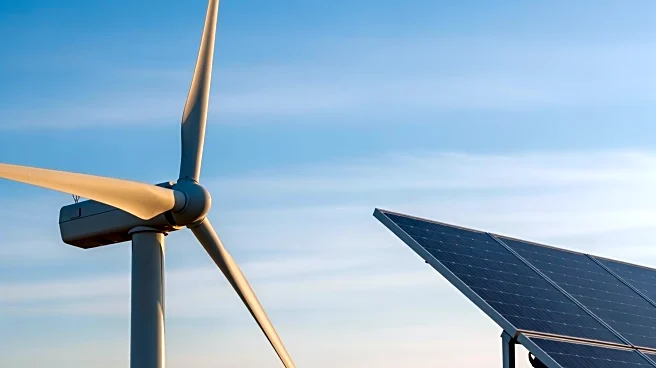
to the previous administration's efforts under President Biden, which focused on advancing clean energy and climate resilience. The Trump administration has rolled back numerous climate and clean energy initiatives, including federal subsidies for renewable energy and international climate agreements. Critics argue that these actions threaten both the environment and public health, as they increase greenhouse gas emissions and undermine scientific research on climate change.
Why It's Important?
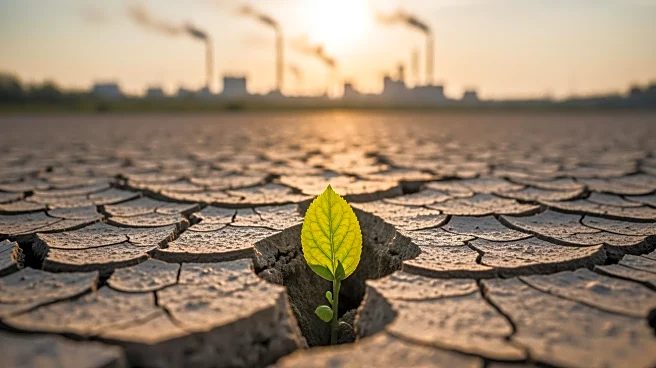
The administration's climate policies have far-reaching implications for the U.S. and the global community. By reversing progress on emissions reduction and clean energy, the U.S. risks falling behind in the global transition to a sustainable economy. This could have economic consequences, as other nations advance in clean energy technologies and markets. Additionally, the environmental impact of increased fossil fuel use poses a threat to ecosystems and public health, potentially leading to more severe climate-related disasters. The administration's stance also affects international relations, as the U.S. withdraws from global efforts to combat climate change.
What's Next?
The ongoing debate over climate policy is likely to continue, with environmental groups and policymakers advocating for a return to more sustainable practices. Legal challenges and public protests may arise as stakeholders push back against the administration's policies. Internationally, other countries may increase pressure on the U.S. to re-engage in climate agreements and take more decisive action on emissions reduction. The outcome of these efforts will shape the U.S.'s role in global climate leadership and its ability to address the challenges of climate change effectively.