



What's Happening?
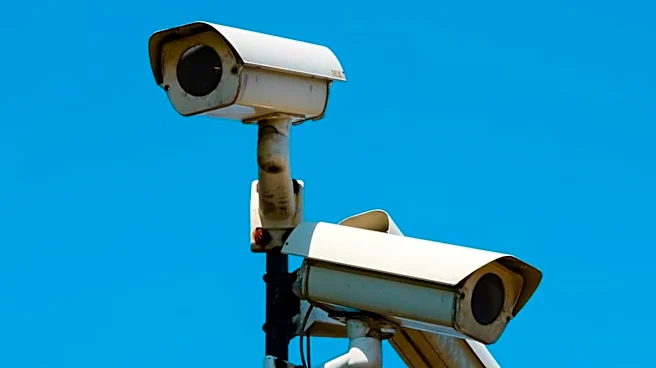
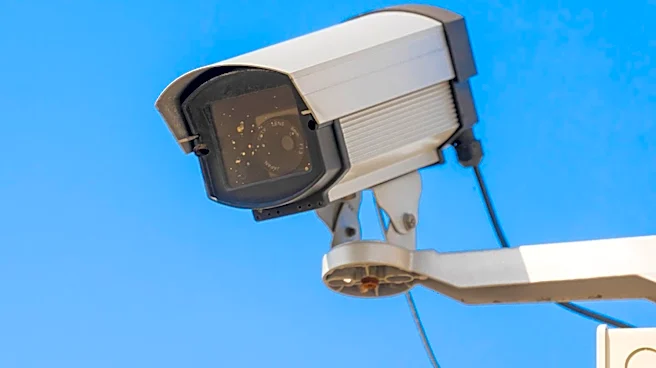
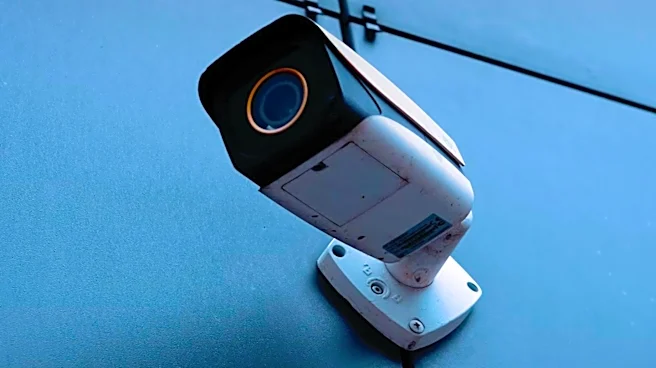
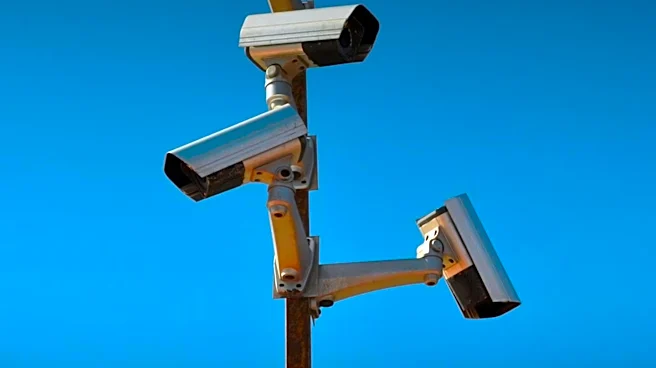
A bipartisan House bill, H.R. 10221, known as the 'Flock-Off Act,' has been introduced by Rep. Thomas Massie (R-Ky.) and Rep. Eric Burlison (R-Mo.) to prohibit federal funding for automated license plate readers (ALPRs) and biometric surveillance cameras.
The bill, co-sponsored by Rep. Paul Gosar (R-Ariz.) among others, aims to prevent federal agencies and recipients of federal funding, including state, local, and tribal governments, from using federal money to purchase, operate, or support these camera systems. If enacted, federal agencies would have 180 days to remove federally funded systems, and state and local entities would need to cease operating them to continue receiving federal funds. The legislation defines covered camera systems as those that automatically capture and process vehicle or license plate images, or extract biometric information from people. Exceptions are made for cameras within one mile of U.S. borders for security purposes and for those used solely for toll collection.
Why It's Important?
This legislation is significant due to its potential impact on surveillance technology use by law enforcement and government agencies across the U.S. The bill reflects growing concerns among some lawmakers about privacy rights and Fourth Amendment protections in the face of advancing surveillance capabilities. By cutting off federal funding, the 'Flock-Off Act' could significantly reduce the proliferation of ALPRs and biometric cameras, particularly in smaller jurisdictions that rely on federal grants for such technology. This could lead to a re-evaluation of surveillance strategies by many agencies. Conversely, companies like Flock, a major provider of ALPR technology, argue that such a ban would have negative public safety consequences, citing the role of their systems in solving crimes and locating missing persons. The debate highlights a fundamental tension between public safety interests and individual privacy rights, with this bill attempting to shift the balance towards greater privacy protection by limiting federal financial support for these technologies.
What's Next?
The 'Flock-Off Act' will proceed through the legislative process in the House of Representatives, where it will likely be debated in relevant committees. Its bipartisan sponsorship suggests it may garner support from members across the political spectrum who share concerns about government surveillance and privacy. However, it is also expected to face opposition from law enforcement organizations and technology companies that advocate for the public safety benefits of ALPR and biometric systems. If the bill advances, it could lead to a broader national discussion on the appropriate use and funding of surveillance technologies. Should it pass both chambers of Congress and be signed into law, federal agencies and state/local governments would need to comply with the new funding restrictions, potentially leading to the removal or deactivation of numerous camera systems currently in operation. The outcome will depend on the political will to prioritize privacy concerns over perceived public safety advantages of widespread surveillance.
Beyond the Headlines
Beyond the immediate policy implications, the 'Flock-Off Act' touches on deeper societal questions about the nature of privacy in the digital age and the extent of government's role in monitoring its citizens. The bill's focus on federal funding rather than an outright ban reflects a strategic approach to limit surveillance without directly infringing on local autonomy to fund such systems independently. This legislative effort could spark further discussions about the ethical boundaries of artificial intelligence and data collection in public spaces. It also highlights the evolving legal interpretations of the Fourth Amendment in an era where technology allows for constant, pervasive monitoring. The debate surrounding this bill could influence future legislation regarding data privacy, biometric data protection, and the balance of power between technological advancement, government oversight, and individual liberties, potentially setting precedents for how emerging surveillance technologies are regulated in the U.S.