
What's Happening?
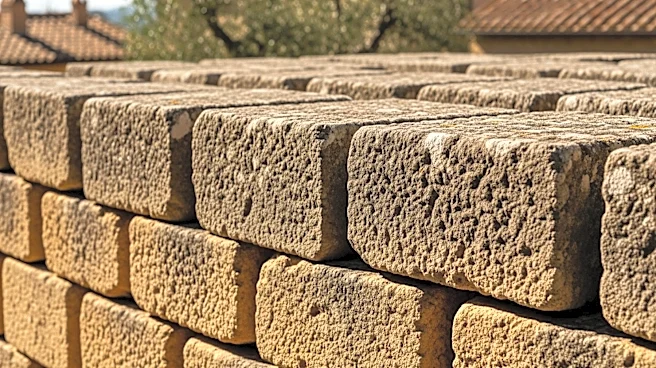
Students from the University of Tennessee's Herbert College of Agriculture recently participated in an international study program in Italy, focusing on ancient construction techniques. The program, which
took place in Rome and Florence, allowed students to compare Roman and Medieval construction methods with modern building practices. Participants studied brick and masonry work, as well as structural elements like arches, which are still prevalent in today's construction. This unique opportunity was part of a broader initiative by the college and the Smith Center for International Sustainable Agriculture to enhance students' understanding of agriculture-related fields through global exposure. Over the past year, approximately 100 students from the college have engaged in study abroad programs in various countries, including Argentina, Costa Rica, Croatia, and Greece.
Why It's Important?
This program highlights the importance of integrating historical knowledge with modern practices in education, particularly in fields like agriculture and construction. By exposing students to ancient techniques, the University of Tennessee aims to broaden their understanding and appreciation of sustainable practices that have stood the test of time. Such experiences can enhance students' problem-solving skills and adaptability, making them more competitive in the global job market. Additionally, these programs foster cultural exchange and understanding, which are crucial in today's interconnected world. The initiative also underscores the university's commitment to providing students with diverse learning opportunities that extend beyond traditional classroom settings.
What's Next?
The success of this program may encourage the University of Tennessee to expand its international study offerings, potentially including more countries and fields of study. As students return with new insights and experiences, they may influence curriculum development and inspire peers to participate in future programs. The university might also explore partnerships with international institutions to facilitate more collaborative projects and research opportunities. Stakeholders, including faculty and industry partners, could leverage these experiences to enhance educational strategies and promote innovative practices in agriculture and related fields.