


What's Happening?
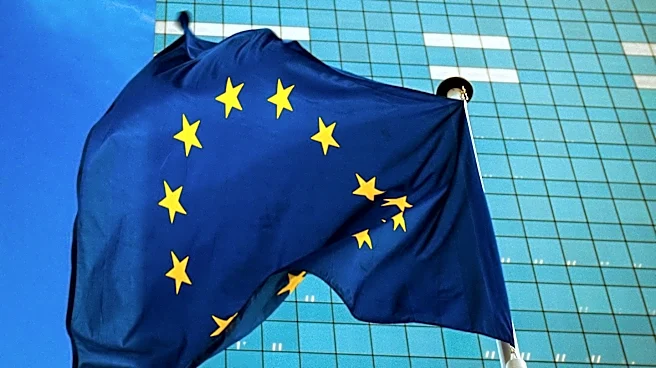
The European Union is preparing to impose over 100 new sanctions against Russia, targeting its banking sector, energy companies, and the 'shadow fleet' of tankers circumventing existing oil regulations. According to Bloomberg, EU foreign ministers may
consider these measures as early as November 16. The restrictions are part of the EU's 22nd sanctions package and are linked not only to Russia's war against Ukraine but also to an increase in hybrid attacks attributed to Moscow, including cyberattacks, arson, and an attempted drone attack on an airport in Germany. These actions are viewed as a broader threat to European security. At a meeting on November 11, EU ambassadors tentatively agreed to add 145 individuals and entities involved in aggression, cyberattacks, and hybrid activities to the sanctions lists. The final list of restrictions and their implementation timeline will depend on decisions by EU member states, with foreign ministers expected to discuss and potentially approve the new measures during a meeting in Brussels on November 16.
Why It's Important?
This new package of sanctions signifies a continued and intensified economic pressure campaign by the European Union against Russia. By targeting key sectors like banking and energy, the EU aims to further cripple Russia's financial capabilities and its ability to fund the war in Ukraine. The focus on the 'shadow fleet' is particularly important, as it addresses a loophole that has allowed Russia to continue exporting oil and generating revenue despite previous sanctions. The inclusion of hybrid attacks as a justification for sanctions broadens the scope of punitive measures, acknowledging Russia's multifaceted approach to destabilization beyond conventional warfare. This move underscores the EU's commitment to defending its security interests and supporting Ukraine, potentially impacting global energy markets, shipping industries, and international financial systems. The sanctions could also set a precedent for how international bodies respond to hybrid warfare tactics, influencing future geopolitical strategies.
What's Next?
The immediate next step is the discussion and potential approval of these new sanctions by EU foreign ministers during their meeting in Brussels on November 16. Following approval, the specific details of the restrictions will be finalized, and their implementation will begin. This will likely involve coordination among EU member states and international partners to ensure effectiveness and compliance. Russia is expected to react to these new sanctions, potentially with retaliatory measures or by seeking alternative economic avenues. The impact on global oil prices and shipping logistics will be closely monitored. The EU will also continue to assess the effectiveness of its sanctions regime and may consider further measures if the current ones do not achieve their desired effect. The ongoing efforts to combat hybrid threats will also likely intensify, with increased cybersecurity measures and intelligence sharing among European nations.
Beyond the Headlines
Beyond the immediate economic and political ramifications, these sanctions highlight the evolving nature of international conflict, where economic warfare and hybrid tactics are increasingly prominent. The targeting of the 'shadow fleet' reveals the ingenuity of states in circumventing sanctions and the continuous need for international bodies to adapt their enforcement mechanisms. This also raises questions about the long-term efficacy of sanctions as a tool for behavioral change, as well as their potential for unintended consequences on global supply chains and economies. The EU's strong stance against hybrid attacks underscores a growing recognition of these non-conventional threats to national security and democratic processes. This development could lead to a more robust international framework for addressing cyber warfare and other forms of state-sponsored destabilization, potentially reshaping the landscape of international law and security cooperation.