



What's Happening?
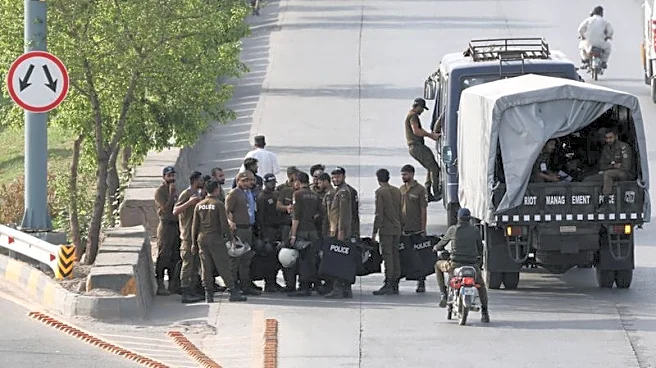
Diplomatic efforts between the United States and Iran have hit a roadblock as talks in Pakistan were put on hold. Iran's top diplomat left Islamabad after President Trump instructed his envoys not to attend the negotiations. The talks were intended to address
the ongoing conflict and tensions over the Strait of Hormuz, but the absence of US representatives has raised questions about the reliability of US commitments. The situation remains tense as both countries navigate the geopolitical landscape amid a backdrop of military and economic pressures.
Why It's Important?
The stalled talks highlight the complexities of US-Iran relations and the challenges of diplomatic engagement in resolving international conflicts. The absence of US envoys could undermine trust and hinder future negotiations, potentially escalating tensions further. The situation underscores the importance of diplomatic channels in addressing geopolitical issues and maintaining regional stability. The outcome of these talks could have significant implications for global security and economic stability, particularly in the energy sector.
What's Next?
The future of US-Iran relations will depend on the resumption of diplomatic efforts and the willingness of both parties to engage in constructive dialogue. The international community may play a role in facilitating negotiations and encouraging peaceful resolutions. The situation will require careful monitoring and strategic planning to prevent further escalation and ensure regional stability. The potential for renewed talks or alternative diplomatic initiatives remains uncertain, but necessary for addressing the underlying issues.