





What's Happening?
Fiji's Minister for Environment and Climate Change, Lynda Tabuya, highlighted the increasing importance of the recycling sector in the nation's waste management efforts. Speaking at the 15th-anniversary celebration of South Pacific Waste Recyclers (SPWR),
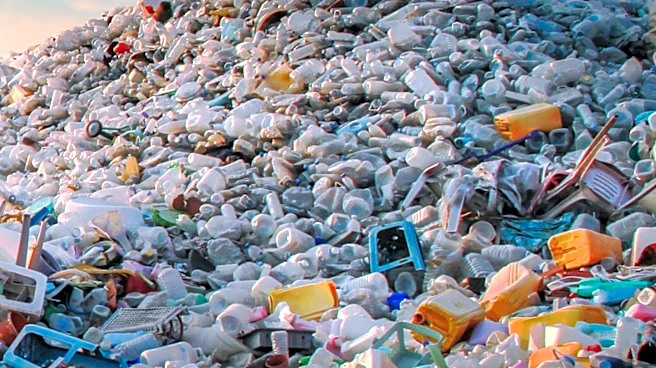
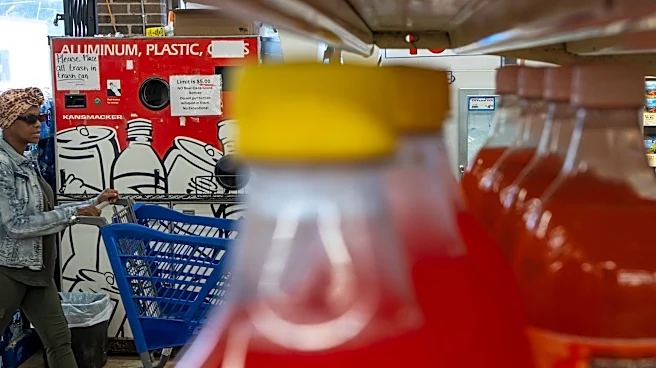
Minister Tabuya stated that private sector companies like SPWR are crucial for expanding recycling opportunities and developing new markets for recyclable materials. She noted that waste has evolved beyond an environmental concern to encompass economic, public health, and climate challenges. Fiji's new National Waste Management and Pollution Control Strategy 2026–2035 outlines a plan to address various waste streams, including plastics, e-waste, and hazardous waste. The success of this strategy, according to Tabuya, relies heavily on strong partnerships between the government, communities, and the private sector. SPWR has demonstrated over the past fifteen years that waste can be transformed into a valuable resource by diverting materials from landfills, reducing pollution, and creating employment.
Why It's Important?
The emphasis on the recycling sector in Fiji's national waste management strategy signifies a broader recognition of the economic and environmental benefits of a circular economy. By integrating private sector companies into waste management, Fiji aims to not only mitigate pollution and public health risks but also to foster economic growth through the creation of new markets and jobs in recycling. This approach could serve as a model for other developing nations facing similar waste management challenges, demonstrating how strategic partnerships can turn waste into a valuable resource. The focus on Extended Producer Responsibility schemes suggests a shift towards holding producers accountable for the lifecycle of their products, which could drive innovation in sustainable product design and packaging. This initiative is crucial for Fiji, a small island developing state, as it directly addresses climate resilience and sustainable development goals.
What's Next?
Fiji is expected to continue implementing its National Waste Management and Pollution Control Strategy 2026–2035, with a strong focus on strengthening collaboration between government, communities, and the private sector. The role of companies like South Pacific Waste Recyclers will likely expand as Fiji seeks to enhance its recycling infrastructure and capabilities. The government may introduce further policies and incentives to support the growth of the recycling sector and encourage the development of new markets for recycled materials. Additionally, the country is anticipated to strengthen Extended Producer Responsibility schemes, which will place greater responsibility on manufacturers for the end-of-life management of their products. These efforts are aimed at moving Fiji closer to a circular economy model, where materials are continuously reused, repaired, and recycled, thereby reducing waste and promoting sustainable resource management.
Beyond the Headlines
The proactive stance taken by Fiji in integrating its recycling sector into a national waste management strategy reflects a growing global awareness of the interconnectedness of environmental, economic, and social issues. This initiative goes beyond mere waste disposal, aiming to transform waste into a valuable resource and foster a circular economy. Such a shift has profound implications for resource efficiency, reducing reliance on virgin materials, and mitigating the environmental footprint of consumption. Ethically, it underscores a commitment to future generations by preserving natural resources and reducing pollution. Culturally, it could lead to a societal shift in how waste is perceived and managed, promoting a more responsible and sustainable lifestyle. The success of Fiji's strategy could inspire other nations, particularly those with limited land resources and high vulnerability to climate change, to adopt similar comprehensive and collaborative approaches to waste management.