



What's Happening?
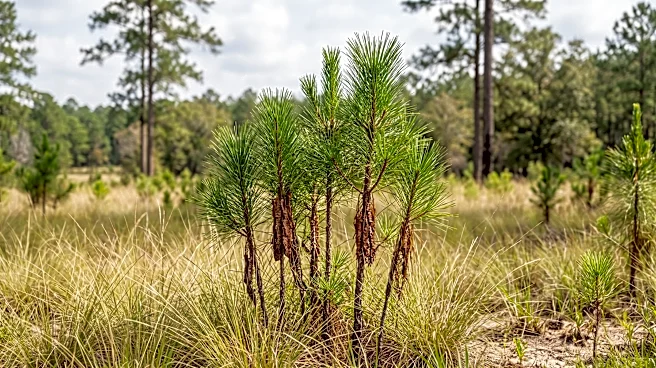
The U.S. Fish & Wildlife Service (USFWS) is actively collaborating with private landowners in Georgia through its Partners for Fish and Wildlife Program to restore critical habitats. A primary focus of this initiative is the longleaf pine ecosystem, which
once spanned approximately 90 million acres across the southeastern U.S. but has now dwindled to less than 3 million acres, representing over a 97% decline. This significant loss impacts more than 30 threatened or endangered plant and animal species, including the red-cockaded woodpecker and the eastern indigo snake, which rely on these habitats. The program in Georgia works with organizations like the Georgia Forestry Commission, the Longleaf Alliance, and the National Fish and Wildlife Foundation to assist landowners in restoring and enhancing longleaf pine habitats. This restoration includes reintroducing essential ground-cover plants like wiregrass and implementing prescribed fire programs, which are crucial for the ecosystem's health. Since 1995, the Partners Program has helped approximately 145 private landowners restore or enhance about 11,000 acres of fish and wildlife habitat in Georgia.
Why It's Important?
The restoration efforts for the longleaf pine ecosystem are vital for biodiversity conservation in the U.S. The drastic reduction of this ecosystem has put numerous species at risk, highlighting the urgent need for intervention. By engaging private landowners, who control over 90% of Georgia's land, the USFWS program addresses a critical aspect of conservation: private land stewardship. The program's success in restoring thousands of acres demonstrates a model for how collaborative efforts can reverse habitat degradation. The longleaf pine ecosystem is not just a habitat for endangered species; it also provides ecological services such as water filtration and carbon sequestration. Its restoration contributes to broader environmental health and resilience against climate change. The involvement of multiple partners, including state agencies and non-profits, underscores the complex, multi-faceted approach required for large-scale ecological restoration, benefiting both wildlife and the long-term ecological stability of the region.
What's Next?
The U.S. Fish & Wildlife Service will likely continue to expand its outreach to private landowners in Georgia, encouraging more participation in habitat restoration projects. Future efforts will probably focus on increasing the acreage of restored longleaf pine ecosystems and further integrating prescribed fire management, which is essential for the long-term health of these habitats. The program will also continue to seek and leverage financial and in-kind contributions from landowners and conservation partners, prioritizing projects that demonstrate cost-sharing. Continued collaboration with organizations like the Georgia Forestry Commission and the Longleaf Alliance will be crucial for sharing expertise and resources. Additionally, the program may explore new strategies to engage landowners, such as educational workshops or incentive programs, to foster a deeper understanding of the ecological benefits of habitat restoration and ensure the sustainability of these efforts.
Beyond the Headlines
The decline of the longleaf pine ecosystem reflects a broader historical trend of habitat loss due to land development and altered land management practices across the U.S. The USFWS program in Georgia highlights a critical shift towards recognizing private landowners as key stakeholders in national conservation strategies. This approach acknowledges that effective conservation cannot solely rely on public lands but must integrate private land stewardship. The program also touches upon the ethical responsibility of preserving biodiversity and natural heritage for future generations. The emphasis on prescribed fire, a traditional ecological practice, underscores the importance of reintroducing natural processes into ecosystem management, moving beyond purely protective measures to active restoration. This collaborative model could serve as a blueprint for addressing other large-scale environmental challenges across the nation, fostering a more integrated and community-driven approach to conservation.