



What's Happening?
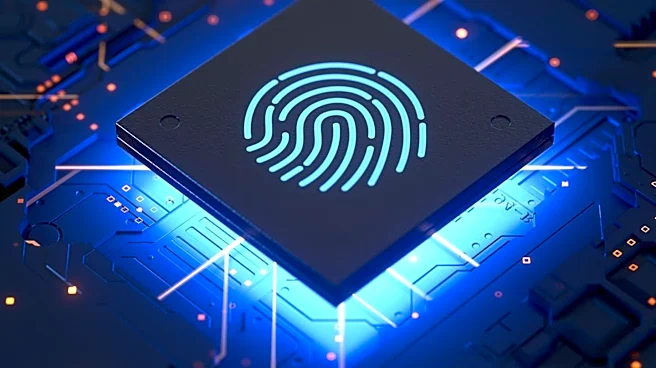
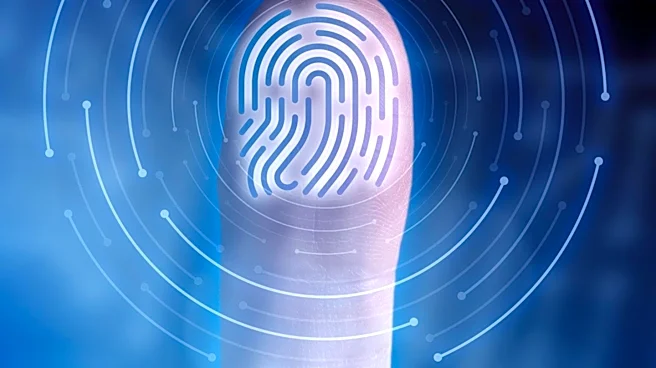
Biometric authentication is a security method that verifies a user through unique physical or behavioral traits, such as fingerprints or face scans. This technology is increasingly being adopted to unlock devices, approve sign-ins, and verify purchases,
including those made through platforms like Google Play. When a user enrolls, the system captures a sample of their biometric data, extracts distinguishing features, and creates an encrypted mathematical template stored securely on the device. During subsequent authentication attempts, a sensor captures a fresh sample and compares it to the stored template. If the similarity score meets a predefined threshold, access is granted. This method is designed to improve convenience and security by reducing reliance on traditional passwords, which are prone to reuse and forgetting. However, it requires robust privacy controls, liveness checks to prevent spoofing, and secure fallback sign-in methods.
Why It's Important?
The widespread adoption of biometric authentication has significant implications for digital security and user experience across various sectors in the U.S. For consumers, it offers a faster and more convenient way to access devices and authorize transactions, potentially reducing the frustration associated with forgotten passwords. For businesses, particularly in e-commerce and financial services, biometrics can enhance security against unauthorized access and fraud, leading to greater trust and potentially lower operational costs related to account recovery. However, the probabilistic nature of biometric matches and the immutability of biometric data raise concerns. If a biometric template is compromised, it cannot be changed like a password, making robust encryption and limited retention practices crucial. The technology also needs to address accessibility, sensor performance, and potential biases to ensure equitable access and reliable functionality for all users.
What's Next?
The future of biometric authentication will likely involve continued advancements in liveness detection to counter sophisticated spoofing attempts, as well as the integration of biometrics with other security methods like PINs and security keys for multi-factor authentication. There will be an ongoing focus on developing secure fallback options in cases of biometric failure or unavailability. For platforms like Google Play, users can expect more refined controls over how and when biometrics are used for purchase verification, with options to enable or disable it on selected devices. As the technology evolves, there will be a continuous effort to balance convenience with stringent security measures, ensuring user privacy and data protection remain paramount. The industry will also need to address the ethical considerations surrounding the storage and use of sensitive biometric information.
Beyond the Headlines
Beyond its immediate applications, the increasing reliance on biometric authentication raises deeper ethical and legal questions. The concept of a 'biometric password' is not a password in the traditional sense, but rather a unique identifier that cannot be easily changed. This permanence means that any compromise of biometric data could have long-lasting consequences for an individual's security. There are also concerns about potential government or corporate access to biometric databases, leading to debates about privacy rights and surveillance. The development of standards for biometric data handling, consent practices, and data retention policies will be critical. Furthermore, the potential for algorithmic bias in biometric systems, particularly in facial recognition, could lead to disproportionate impacts on certain demographic groups, necessitating careful design and continuous auditing to ensure fairness and accuracy.