
What's Happening?
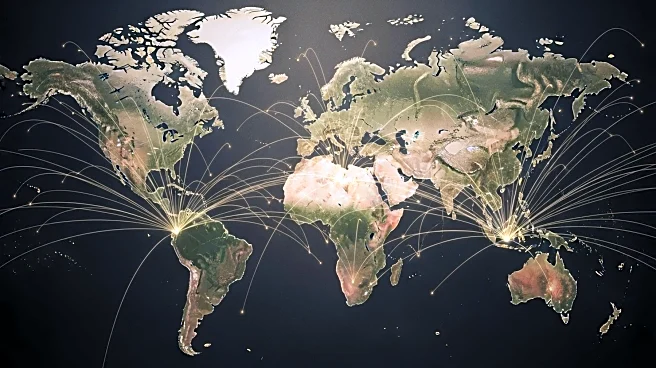
A recent report by AidData, a Virginia-based research institute, has unveiled the extensive reach of China's global lending activities. The report highlights that China's lending portfolio is valued at $2.1
trillion, significantly larger than previous estimates. This lending is part of China's Belt and Road Initiative, which has been criticized as 'debt-trap diplomacy' by some, although Chinese officials refute this claim. The report indicates that high- and upper-middle-income countries, including the United States, are major recipients of these loans, challenging the notion that China's lending primarily targets developing nations.
Why It's Important?
China's role as the world's largest creditor has significant implications for global economic and diplomatic dynamics. The extensive lending allows China to exert influence over critical infrastructure in various countries, potentially shifting geopolitical power balances. For the U.S., which has been vocal about the risks of Chinese debt, this report underscores the complexity of international financial dependencies. The findings may prompt a reevaluation of U.S. and other major economies' strategies in international aid and credit provision to counterbalance China's growing influence.
What's Next?
The report suggests that major lenders like the U.S., Germany, and Japan may need to adjust their credit and aid strategies to compete with China's aggressive lending practices. This could lead to a reshaping of international financial norms and practices, as countries seek to mitigate the influence of Chinese loans on their economies. The ongoing debate over 'debt-trap diplomacy' is likely to continue, influencing international relations and economic policies.