





What's Happening?
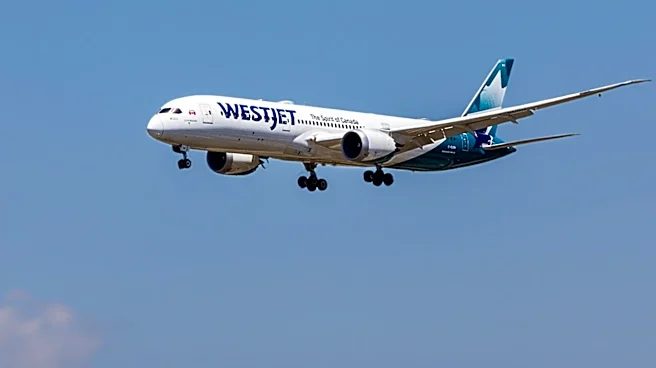
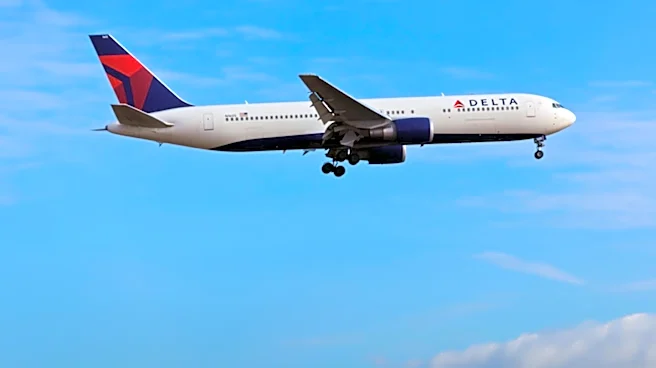
WestJet, a major Canadian airline, is facing a potential strike by its flight attendants, prompting the company to take precautionary measures. On July 30, the union representing WestJet flight attendants issued a 72-hour strike notice, indicating the possibility
of a work stoppage. In response, WestJet announced on July 31 that it has begun the process of parking its 737 aircraft. This decision is aimed at maintaining operational control and minimizing the risk of stranding passengers and aircraft. The airline emphasized that this step is necessary to protect the integrity of its broader network. Despite the looming strike, WestJet remains engaged in negotiations with the union, seeking a mutually agreeable deal. The airline has assured that WestJet Encore flights operated on a Q400 and codeshare flights with partners will not be affected. Passengers are advised to check their flight status before heading to the airport.
Why It's Important?
The potential strike by WestJet flight attendants could significantly impact the airline's operations and its passengers. As the second-largest carrier in Canada, any disruption in WestJet's services could affect a large number of travelers, particularly during the busy summer travel season. The decision to park aircraft is a strategic move to prevent operational chaos and ensure that passengers are not left stranded. This situation highlights the ongoing challenges in labor relations within the airline industry, where employees are seeking better contracts and working conditions. The outcome of these negotiations could set a precedent for other airlines facing similar labor disputes. Additionally, the strike and its resolution could influence public perception of WestJet and its commitment to employee welfare and customer service.
What's Next?
As the deadline for the strike approaches, both WestJet and the union representing its flight attendants are expected to continue negotiations in an effort to reach an agreement. The union has expressed its willingness to bargain around the clock to avoid a strike, emphasizing the need for a fair contract that acknowledges the value of flight attendants' work. If an agreement is not reached by August 2, a strike could commence, leading to potential disruptions in WestJet's operations. The airline will need to manage customer communications effectively and provide updates on flight statuses to minimize inconvenience. The resolution of this labor dispute will be closely watched by other airlines and industry stakeholders, as it may influence future labor negotiations in the aviation sector.