







What's Happening?
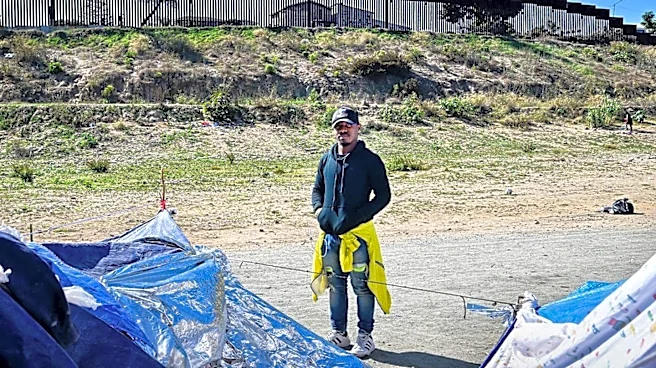
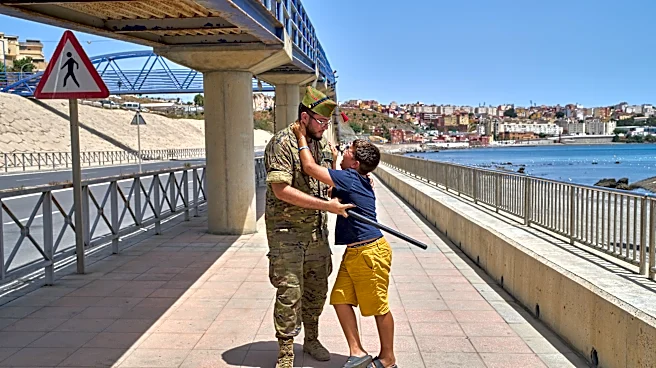
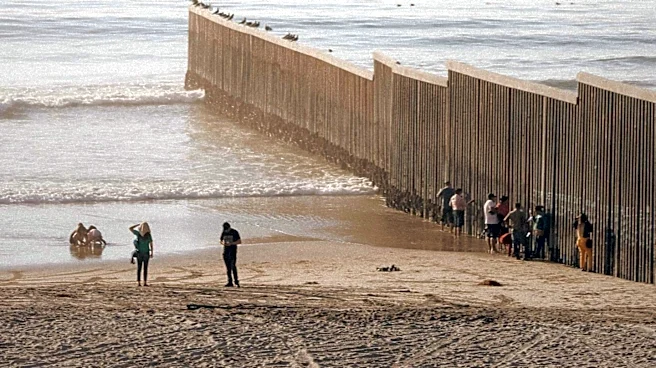
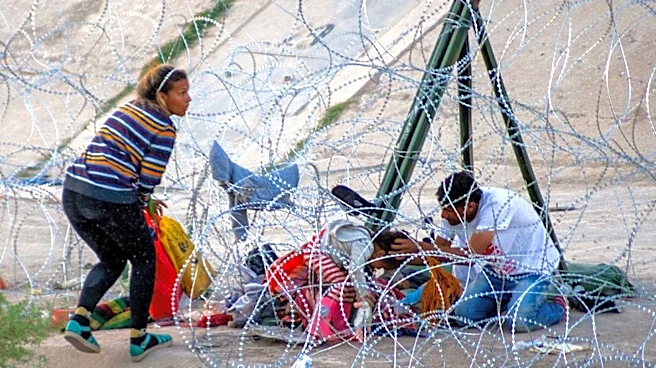
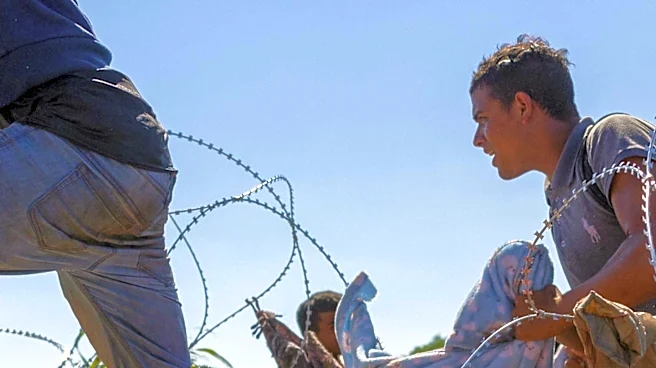
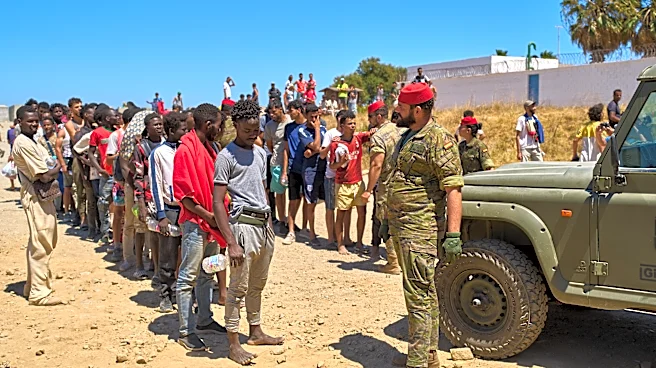
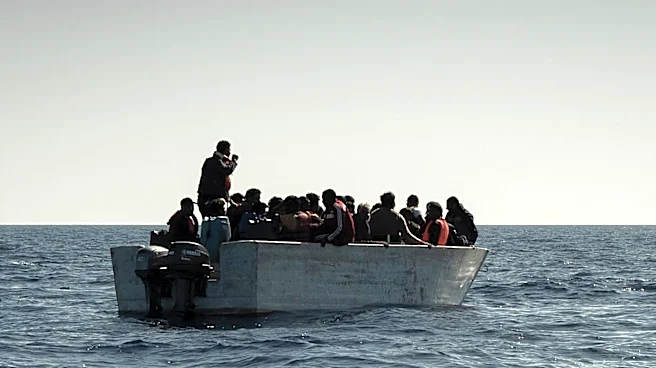
A sudden influx of approximately 80,000 people from Morocco into the Spanish exclave of Ceuta occurred on July 30, coinciding with Morocco's Throne Day. The mass crossing overwhelmed the small city, leading to a humanitarian crisis. While most migrants
returned to Morocco, around 7,000 remain in Ceuta, including minors. The event has sparked debate within Spain and Morocco, with some viewing it as an 'invasion' and others focusing on the humanitarian aspects. Archbishop Emilio Rocha of Tangier discussed the socio-economic factors driving migration, noting that while Morocco is not experiencing starvation, social inequality and the allure of Europe contribute to migration pressures.
Why It's Important?
This event underscores the ongoing challenges of migration in the region, highlighting the socio-economic disparities that drive people to seek better opportunities in Europe. It also reflects the complex relationship between Spain and Morocco, where migration is often used as a political tool. The situation raises questions about the effectiveness of current migration policies and the need for comprehensive solutions that address the root causes of migration, such as economic inequality and lack of opportunities in home countries.
What's Next?
The Spanish and Moroccan governments may engage in diplomatic discussions to address the immediate crisis and prevent future occurrences. There may be increased pressure on European countries to develop more effective migration policies that balance security concerns with humanitarian obligations. The situation could also lead to greater international cooperation to address the underlying causes of migration, such as poverty and social inequality in North Africa.