







What's Happening?
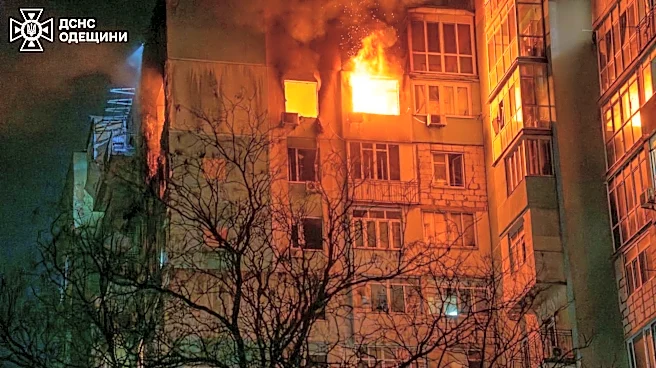
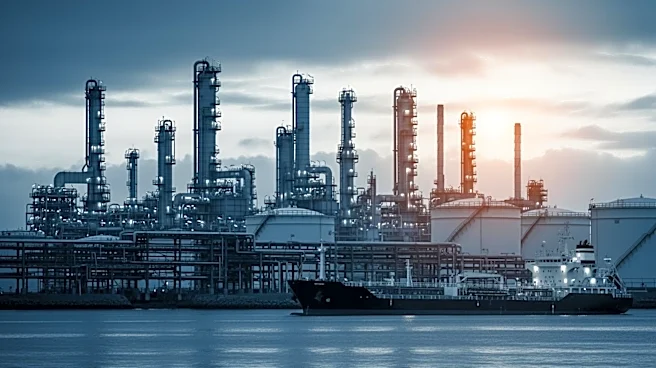
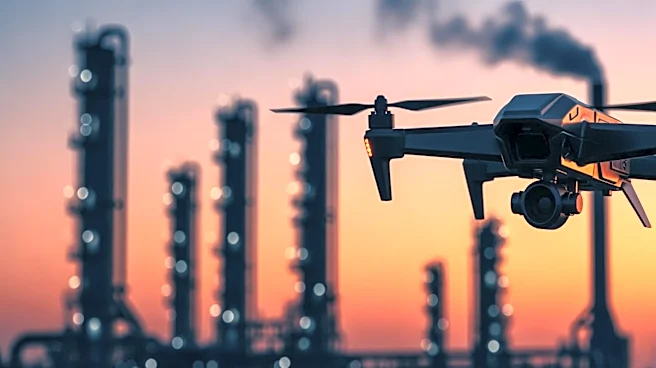
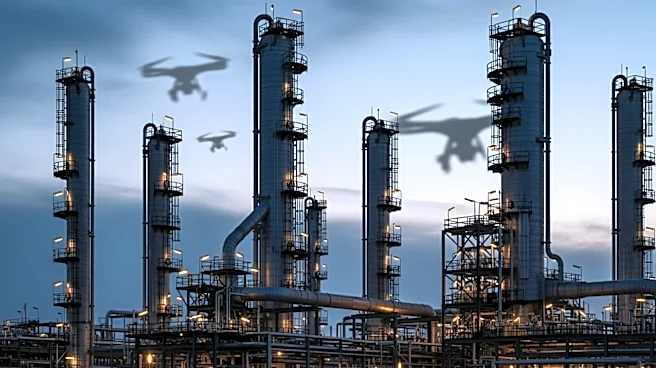
Ukrainian drones have been conducting strikes deep within Russian territory, targeting oil facilities in an effort to disrupt Moscow's oil exports, a significant source of funding for its military operations in Ukraine. These attacks have resulted in fires
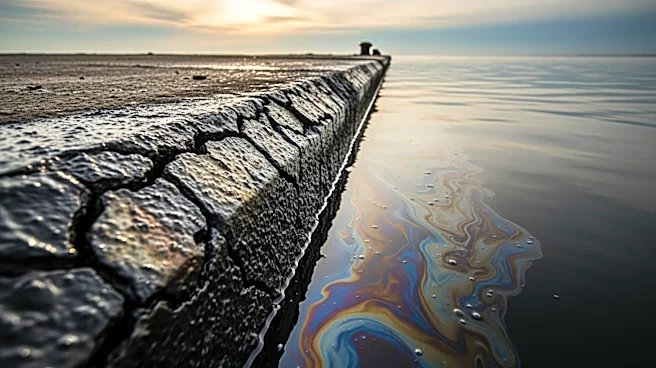
and oil spills, notably in the Black Sea town of Tuapse and the Perm region, causing environmental damage and prompting local evacuations. The strikes have been compared to international sanctions by Ukrainian President Volodymyr Zelenskyy, who claims they have cost Russia billions in lost revenue. Despite the attacks, Russia's oil exports have increased due to rising global oil prices, partly influenced by geopolitical tensions in the Middle East.
Why It's Important?
The drone strikes highlight Ukraine's expanding military capabilities and the strategic use of technology to impact Russia's economy. The environmental damage caused by these attacks, including toxic rain and oil spills, poses significant risks to local ecosystems and public health. The strikes also underscore the vulnerability of Russia's infrastructure and the potential for increased domestic pressure on the Russian government as the war's consequences become more visible to its citizens. Economically, while the attacks aim to weaken Russia's financial resources, the global energy market dynamics have so far mitigated the intended impact.
What's Next?
As Ukraine continues to enhance its long-range strike capabilities, further attacks on Russian infrastructure are likely. This could lead to increased environmental and economic repercussions, potentially affecting global oil markets. Russia may respond by bolstering its air defenses and seeking alternative strategies to protect its oil facilities. The ongoing conflict and its associated impacts could also influence international diplomatic efforts and sanctions policies, as stakeholders assess the broader implications for regional stability and energy security.
Beyond the Headlines
The environmental consequences of the drone strikes, such as oil pollution and toxic rain, could have long-term effects on the Black Sea region's ecosystem and public health. The visibility of these impacts may increase domestic dissent in Russia, challenging the government's narrative of control. Additionally, the use of drones in warfare raises ethical and legal questions about the conduct of hostilities and the protection of civilian infrastructure. The situation also highlights the interconnectedness of global energy markets and the potential for regional conflicts to have far-reaching economic and environmental consequences.