



What's Happening?
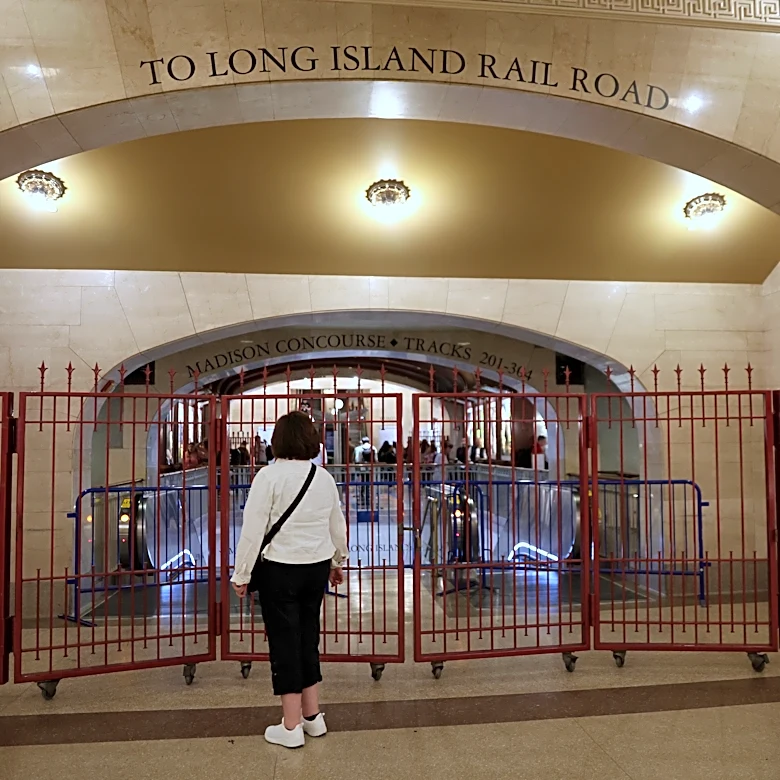
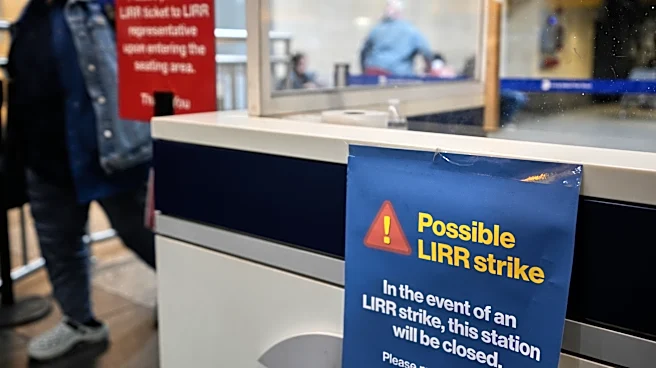
The Long Island Rail Road (LIRR) has officially shut down its train services due to a strike declared by the unions representing its workers. This development has left hundreds of thousands of New York commuters without their usual means of transportation.
In response, the Metropolitan Transportation Authority (MTA) has implemented contingency plans, including the use of shuttle buses and alternative routes via the subway. However, with only 275 shuttle buses available, there is insufficient capacity to accommodate the more than 250,000 daily riders. The MTA is encouraging those who can to work from home, while also providing shuttle services from six Long Island locations to subway stations in Queens. The strike marks the first of its kind in 32 years for the LIRR.
Why It's Important?
The LIRR strike significantly impacts the daily commute of hundreds of thousands of New Yorkers, highlighting the critical role of the LIRR in the region's transportation infrastructure. The disruption underscores the vulnerability of the system to labor disputes and the challenges in providing adequate alternative transportation options. The strike could have broader economic implications, affecting businesses and workers who rely on the LIRR for daily commutes. The situation also puts pressure on the MTA to negotiate with the unions to resolve the strike and restore normal service, as prolonged disruptions could lead to economic losses and increased commuter frustration.
What's Next?
The MTA will likely continue negotiations with the unions to reach an agreement and end the strike. In the meantime, commuters will need to rely on the limited shuttle services and alternative routes provided by the MTA. The situation may prompt discussions on improving contingency plans and increasing the capacity of alternative transportation options in the event of future strikes. Stakeholders, including local businesses and government officials, may also push for a swift resolution to minimize the economic impact and restore normalcy for commuters.