




What's Happening?
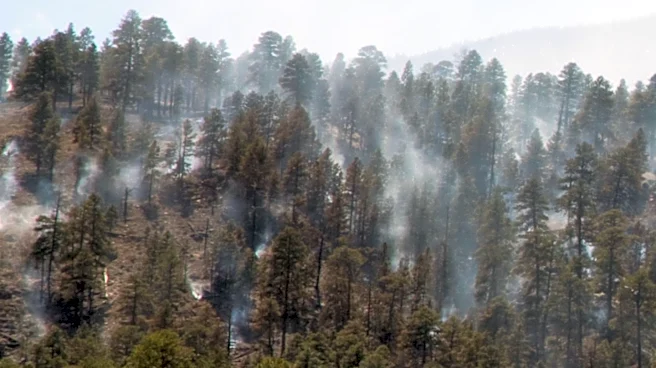
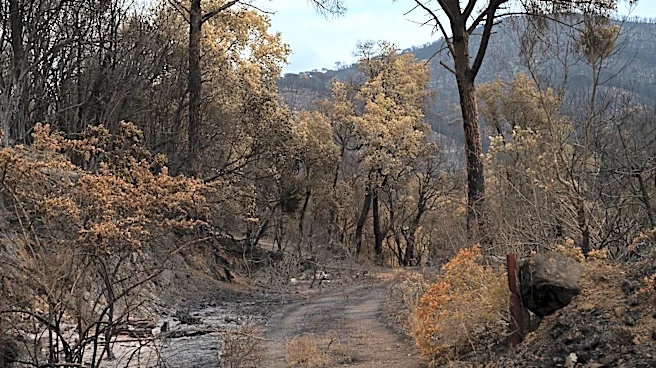
The Los Padres National Forest, specifically its Monterey Ranger District, has issued a comprehensive forest order, Number 05-07-51-26-08, enacting an area, road, and trail closure in response to the Timber Fire. Effective August 16, 2026, this order prohibits
public access to designated National Forest System lands, roads, and trails within the Timber Fire Closure Area. The closure is mandated under 16 U.S.C. § 551 and 36 C.F.R. § 261.50(a) and (b) to ensure public safety. The prohibited acts include going into or being upon any National Forest System lands, roads, or trails within the specified closure zone, which is detailed in Exhibits A, C, and D of the order and shown on Exhibit B. The closure will remain in effect until the Timber Fire is officially declared out. Exemptions to this order include federal, state, or local officers, members of organized rescue or firefighting forces performing official duties, and owners, lessees, or residents of private land within the closure area, provided the area is not under an evacuation order. Additionally, individuals with a specific Forest Service Permit (FS-7700-48) are exempt. Violations of this order carry significant penalties, including fines up to $5,000 for individuals or $10,000 for organizations, or imprisonment for up to six months, or both. The order was executed by Deputy Forest Supervisor Jeanne Dawson in Santa Barbara, California, on August 15, 2026.
Why It's Important?
This extensive closure of the Los Padres National Forest's Monterey Division underscores the severe threat posed by the Timber Fire and prioritizes public safety above all else. By restricting access to a vast network of lands, roads, and trails, authorities aim to prevent civilian casualties and ensure unhindered operations for firefighting personnel. The closure impacts recreational activities such as hiking, camping, and other outdoor pursuits that are popular in the region, affecting both local residents and tourists. Economically, businesses reliant on tourism and outdoor recreation may experience disruptions. Furthermore, the enforcement of such a broad closure highlights the critical role of federal agencies like the U.S. Forest Service in managing natural disasters and protecting both human life and natural resources. The legal framework cited, including specific U.S. Code and Code of Federal Regulations, demonstrates the serious nature of the prohibitions and the potential legal consequences for non-compliance, reinforcing the gravity of the wildfire situation. The duration of the closure, tied directly to the fire's containment, emphasizes the ongoing and unpredictable nature of large-scale wildfires.
What's Next?
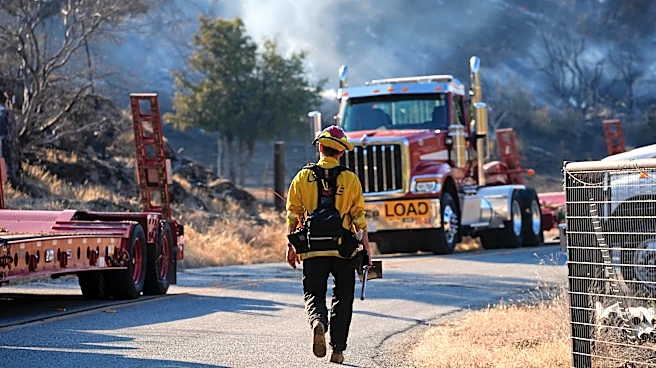
The Los Padres National Forest closure will remain in effect until the Timber Fire is officially declared out, indicating that the immediate focus will be on active fire suppression and containment efforts. Firefighting teams will continue to work within the designated area, utilizing the unrestricted access provided by the closure to manage the blaze without interference from the public. Regular updates on the fire's status, including containment percentages and acreage, will be crucial for determining when the area can be safely reopened. Local communities and businesses will need to adapt to the ongoing restrictions, potentially seeking alternative recreational opportunities or adjusting their operational strategies. The Forest Service will likely maintain a strong presence to enforce the closure and monitor conditions. Once the fire is contained and extinguished, a thorough assessment of the affected areas will be necessary before any phased reopening can occur, ensuring that trails and roads are safe and stable for public use.
Beyond the Headlines
The Timber Fire closure in Los Padres National Forest reflects a recurring challenge faced by land management agencies across the U.S. in an era of increasing wildfire frequency and intensity. Beyond the immediate safety concerns, such closures highlight the delicate balance between public access to natural spaces and the imperative to protect both ecosystems and human lives during environmental crises. The economic impact on gateway communities, often heavily reliant on outdoor tourism, can be substantial and prolonged, extending beyond the active fire period into recovery and restoration phases. Furthermore, these events often spark broader discussions about forest management practices, climate change's role in exacerbating wildfires, and the adequacy of resources allocated to fire prevention and suppression. The legal authority invoked for the closure underscores the federal government's power to restrict movement on public lands for safety, a power that can sometimes lead to public debate regarding individual freedoms versus collective safety during emergencies. The long-term ecological recovery of the burned areas will also be a significant undertaking, impacting biodiversity, water quality, and soil stability for years to come.