

What's Happening?
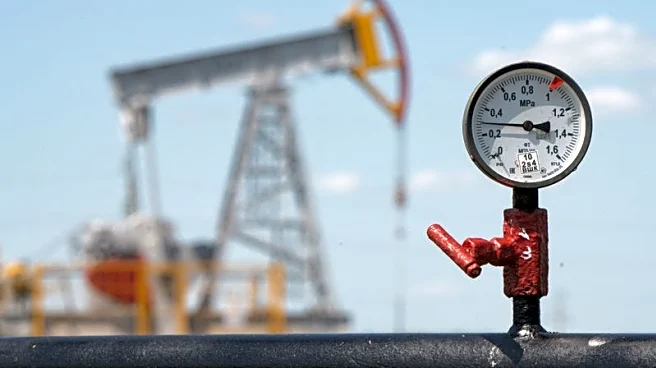
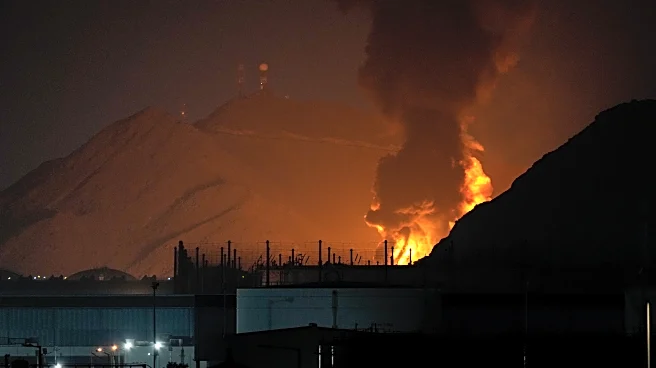
The International Energy Agency (IEA) has decided not to release emergency oil reserves despite the ongoing crisis in the Middle East, which has significantly impacted global energy markets. The conflict, initiated by U.S. and Israeli strikes on Iran,
has led to a surge in crude oil prices, with Brent futures reaching their highest levels in nearly two years. The IEA's Executive Director, Fatih Birol, stated that there is currently a 'huge surplus' of oil in the market, and the situation is viewed as a temporary disruption rather than a shortage. The U.S. has temporarily eased sanctions on Russian oil, allowing India to increase its purchases to stabilize the market. Meanwhile, some IEA member nations, like Japan, are considering releasing their own reserves in response to the crisis.
Why It's Important?
The decision by the IEA not to release emergency reserves highlights the complexity of managing global oil supplies amid geopolitical tensions. The Middle East crisis has the potential to exacerbate global inflation by driving up energy prices, affecting economies worldwide. The U.S.'s temporary easing of sanctions on Russian oil indicates a strategic move to mitigate market disruptions. This situation underscores the interconnectedness of global energy markets and the delicate balance required to maintain stability. Countries heavily reliant on Middle Eastern oil, such as India and Japan, are particularly vulnerable to supply chain disruptions, which could lead to broader economic consequences.
What's Next?
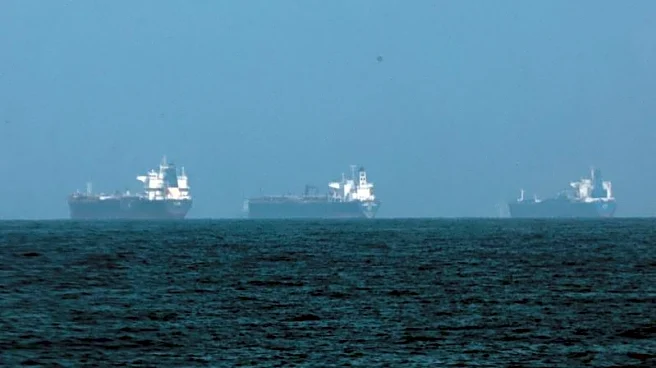
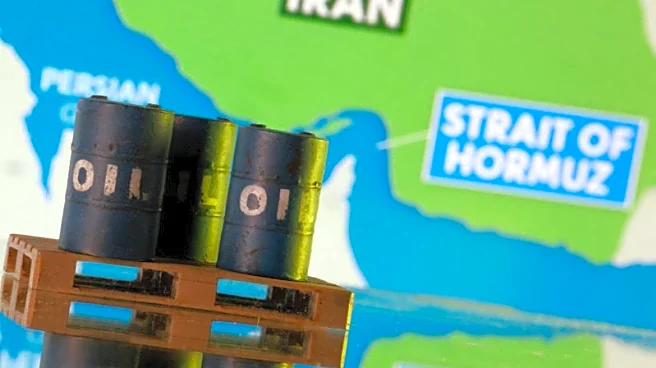
As the situation in the Middle East evolves, the IEA and its member nations will continue to monitor the market closely. Potential actions include individual countries releasing their own reserves or implementing alternative measures to stabilize supply chains. The U.S. may further adjust its sanctions policy depending on the conflict's progression. Additionally, the ongoing tension could prompt further diplomatic efforts to de-escalate the situation and ensure the security of vital shipping routes like the Strait of Hormuz.