




What's Happening?
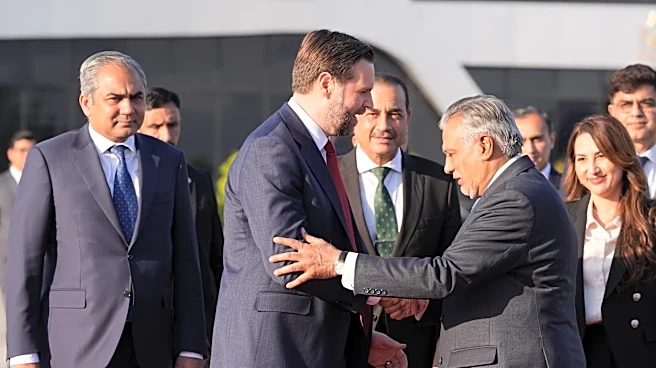
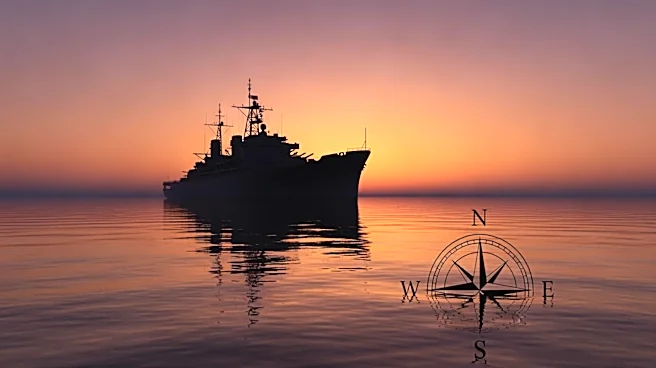
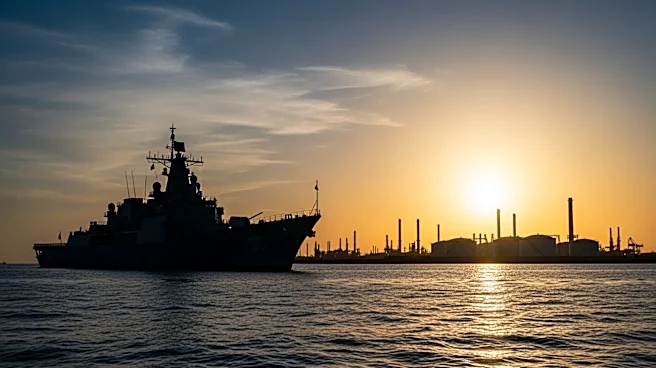
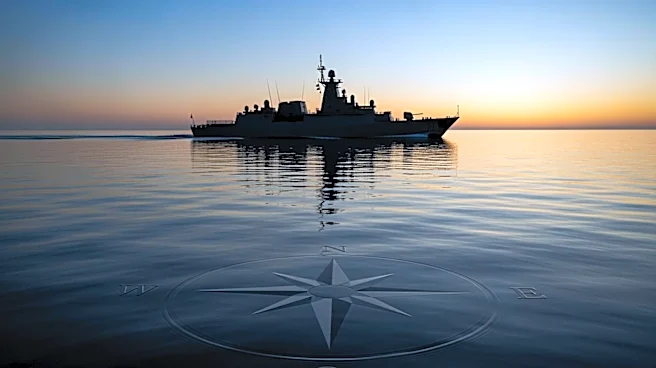
The U.S. Navy is set to impose a blockade on Iranian ports following unsuccessful peace talks with Iran. This decision, announced by U.S. Central Command, will take effect on Monday at 10 a.m. ET. The blockade aims to halt all maritime traffic entering
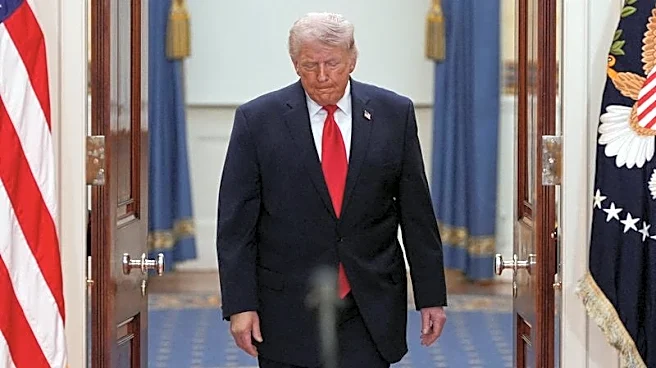
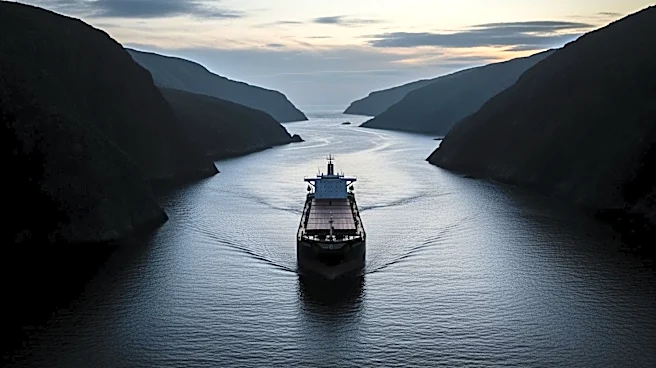
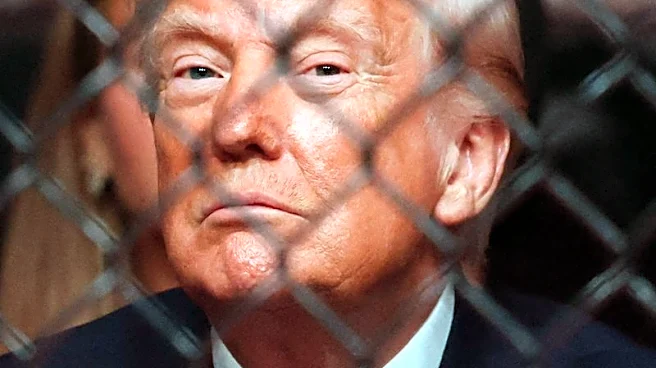
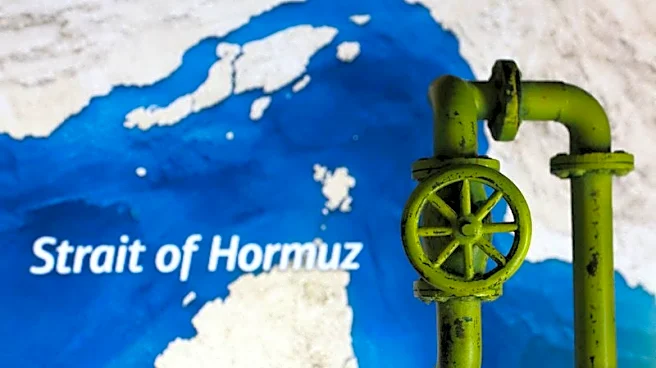
and exiting Iranian ports, although vessels transiting to and from non-Iranian ports will not be impeded. This move comes after President Trump threatened to blockade the Strait of Hormuz, a critical passage for global oil supplies, following failed negotiations to end the ongoing conflict in the Middle East. The announcement has led to a significant surge in crude oil prices, with U.S. crude oil futures for May delivery rising nearly 8% to $104.20 per barrel.
Why It's Important?
The blockade of Iranian ports by the U.S. Navy is a significant escalation in the ongoing conflict in the Middle East, with potential global economic repercussions. The Strait of Hormuz is a vital artery for global oil supplies, and any disruption can lead to increased oil prices worldwide, affecting industries and consumers. The blockade could further strain U.S.-Iran relations and impact international diplomatic efforts. Additionally, the rise in oil prices could lead to increased costs for transportation and goods, affecting the U.S. economy and potentially leading to inflationary pressures.
What's Next?
The immediate future may see heightened tensions between the U.S. and Iran, with potential military and diplomatic responses from both sides. The U.S. may consider limited strikes on Iran if the blockade does not yield the desired outcomes. The international community, including major oil-importing countries, will likely monitor the situation closely, as prolonged disruptions in oil supply could lead to broader economic instability. The U.S. administration may face domestic and international pressure to find a diplomatic resolution to avoid further escalation.