





What's Happening?
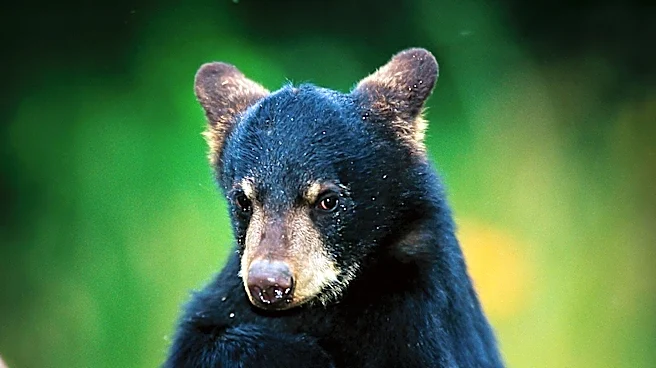
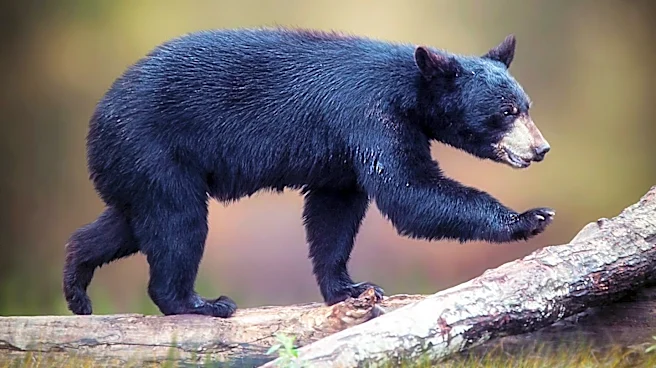
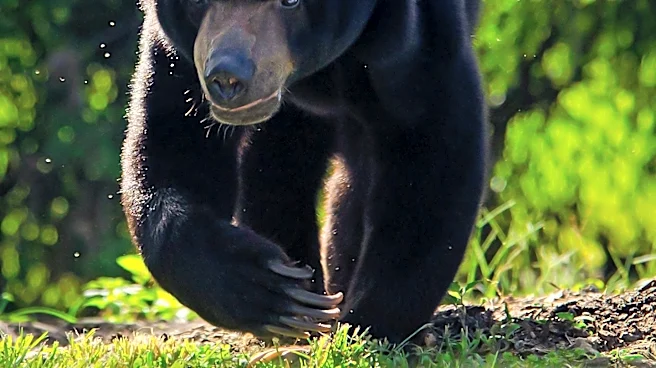
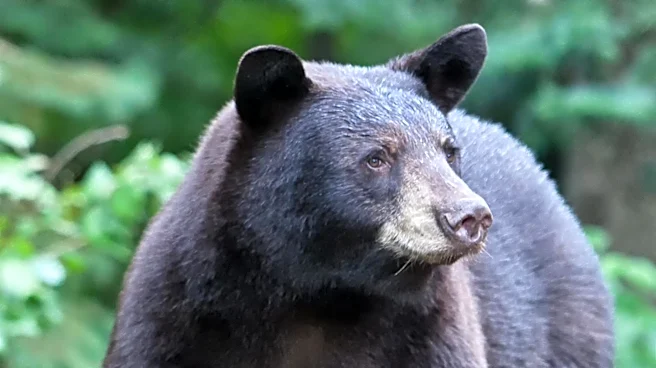
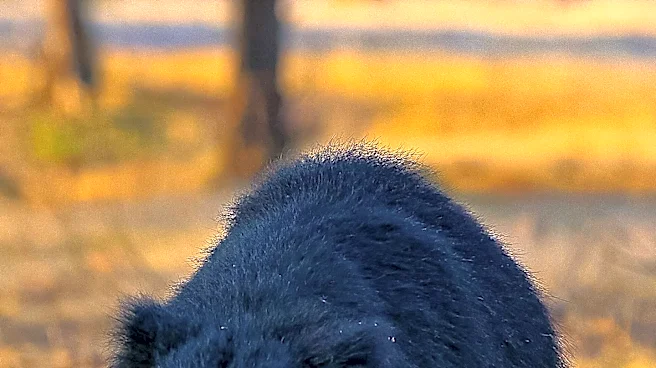
The Nevada Department of Wildlife is employing a unique strategy to manage bear populations in the Tahoe area. Two Karelian bear dogs, named Badger and Banjo, are equipped with GoPros and tasked with chasing bears away from human-populated neighborhoods
and back into the wild. This initiative comes as hotter and drier summers are increasingly driving bears into residential areas around Lake Tahoe. The dogs' role is to reintroduce a natural fear of humans in these bears, thereby reducing human-wildlife conflicts. The program highlights an innovative approach to wildlife management, leveraging specialized dog breeds known for their ability to interact with large animals.
Why It's Important?
This program is important for several reasons, primarily concerning public safety and wildlife conservation. The increasing presence of bears in Tahoe-area neighborhoods poses risks to both residents and the bears themselves. Bears that become accustomed to human environments often face higher risks of injury or death due to vehicle collisions, conflicts with humans, or euthanasia. By using Karelian bear dogs, the Nevada Department of Wildlife aims to create a safer environment for both humans and bears, promoting coexistence. This method offers a non-lethal and proactive solution to a growing problem, potentially serving as a model for other regions facing similar wildlife encroachment issues. The use of technology, such as GoPros, also provides valuable data and insights into bear behavior and the effectiveness of the program.
What's Next?
The continued deployment of Badger and Banjo, along with potential expansion of the program, is expected. The data collected from the GoPro footage will likely be analyzed to assess the long-term effectiveness of this method in deterring bears and reducing human-bear interactions. If successful, this approach could be adopted by other wildlife management agencies in areas experiencing similar challenges. Further research may also explore the impact of climate change on bear habitats and behaviors, informing future strategies for wildlife management. Public education campaigns may also be launched to inform residents about coexisting with wildlife and the importance of not feeding bears, which can exacerbate the problem.
Beyond the Headlines
Beyond the immediate goal of bear deterrence, this initiative touches upon broader themes of human-wildlife coexistence in an era of environmental change. As climate patterns shift, wildlife habitats are altered, leading to increased interactions between humans and animals. This program underscores the need for creative and humane solutions to manage these interactions. It also highlights the specialized skills of certain dog breeds and their potential contributions to conservation efforts. The ethical considerations of using animals for wildlife management, ensuring their welfare and effectiveness, are also implicitly raised. This approach could pave the way for more integrated conservation strategies that combine technology, animal behavior, and community engagement to address complex ecological challenges.