





What's Happening?
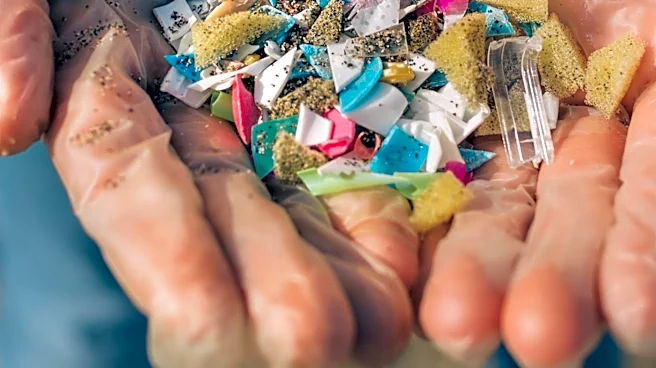
Researchers at Texas A&M College of Veterinary Medicine have found that polyethylene microplastics, commonly used in food packaging, may contribute to fatty liver disease. The study indicates that these microplastics can exacerbate liver conditions when
combined with a high-fat diet. Polyethylene, a widely produced plastic, affects the liver's defense and repair mechanisms, potentially accelerating liver damage. This research highlights the environmental and health impacts of microplastics, urging further investigation into their effects on human health.
Why It's Important?
The findings raise concerns about the widespread use of polyethylene in everyday products and its potential health risks. As microplastics become more prevalent in the environment, understanding their impact on human health is crucial. This study suggests that dietary habits and environmental exposures may jointly influence liver health, emphasizing the need for public awareness and policy changes. The research could lead to new strategies for mitigating the health effects of microplastics, influencing both consumer behavior and regulatory frameworks.