


What's Happening?
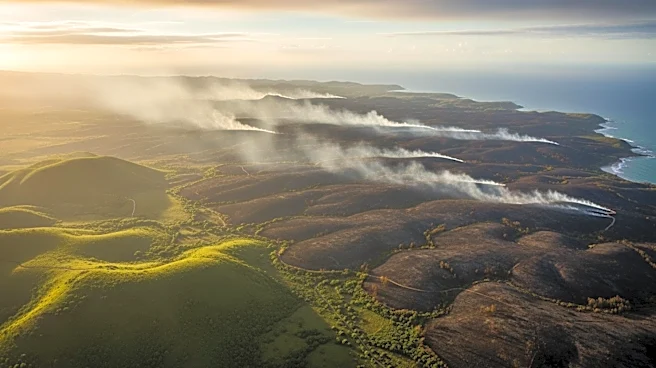
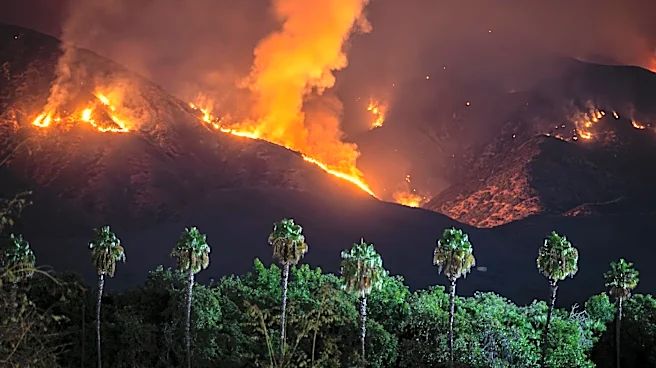
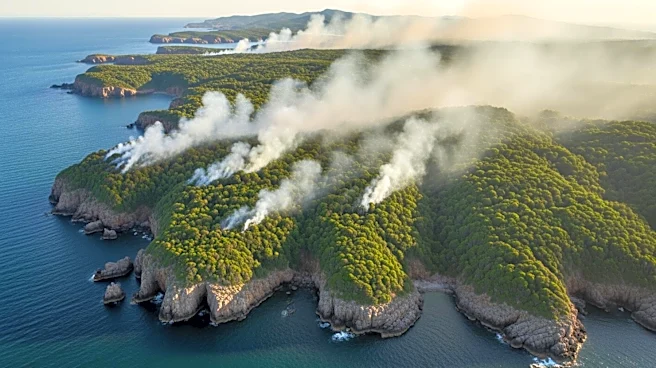
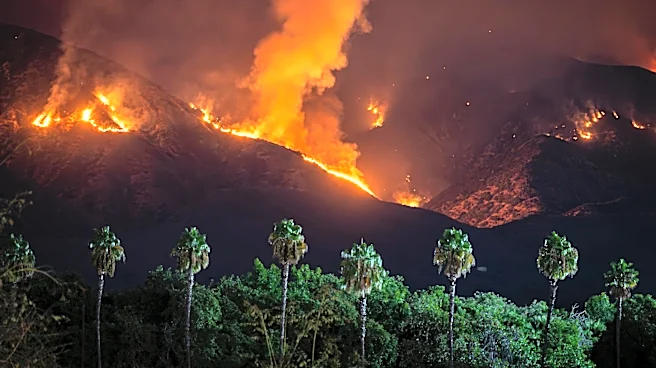
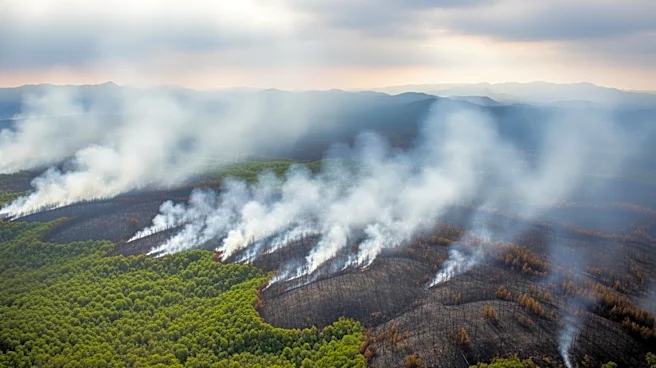
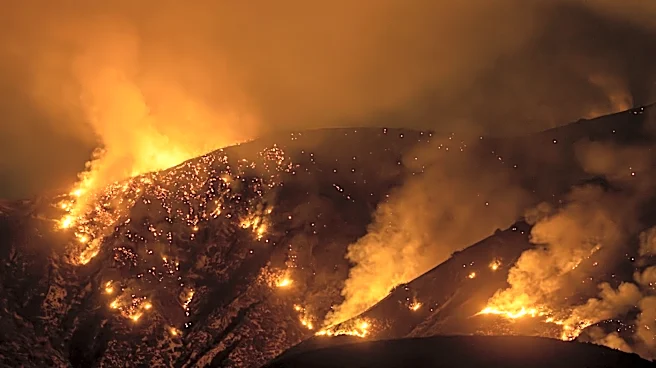
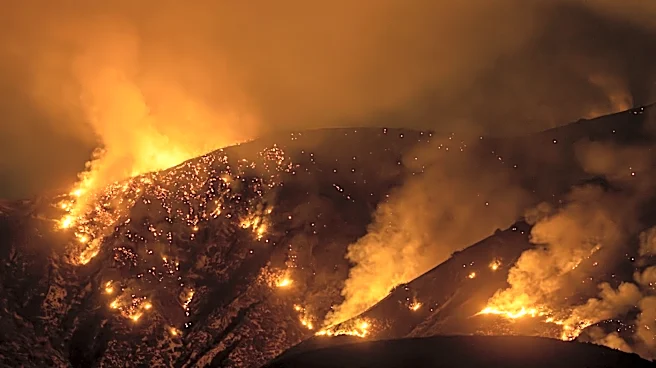
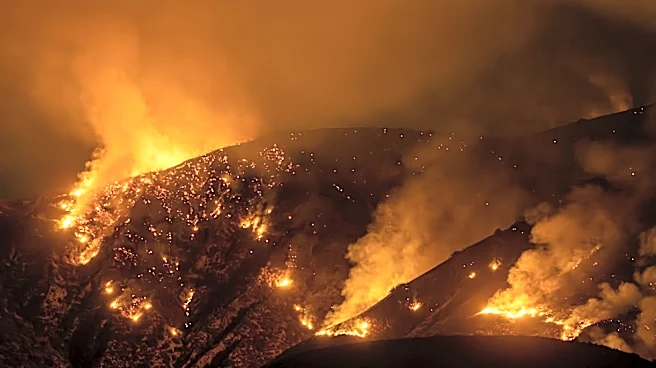
A significant wildfire has erupted on Santa Rosa Island, part of California's Channel Islands National Park, known for its rich biodiversity. The fire, first detected on May 15, 2026, has rapidly expanded, burning approximately 16,600 acres by May 19.
The blaze has affected grasslands, coastal sage scrub, and island chaparral, with much of the southeastern quadrant of the island impacted. The fire was identified as human-caused, although the exact circumstances remain under investigation. Satellite images from Landsat 9 have captured the extent of the damage, showing a large burned area and active fire fronts. The fire poses a threat to the island's unique flora, including the rare Torrey pines, which grow naturally only on Santa Rosa Island and near San Diego.
Why It's Important?
The wildfire on Santa Rosa Island is significant due to its impact on the island's unique ecosystems, which are home to several rare and endemic species. The destruction of habitats could have long-term ecological consequences, potentially threatening the survival of species that rely on these environments. Additionally, the fire highlights the ongoing challenges of managing wildfires in protected areas, where human activity can inadvertently lead to devastating natural events. The incident underscores the need for effective fire management strategies and public awareness to prevent human-caused fires, especially in ecologically sensitive regions.
What's Next?
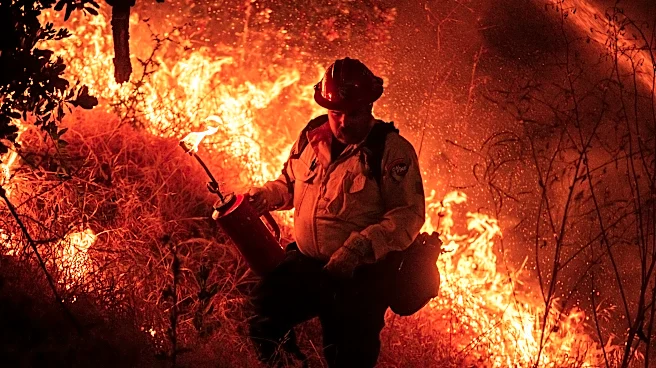
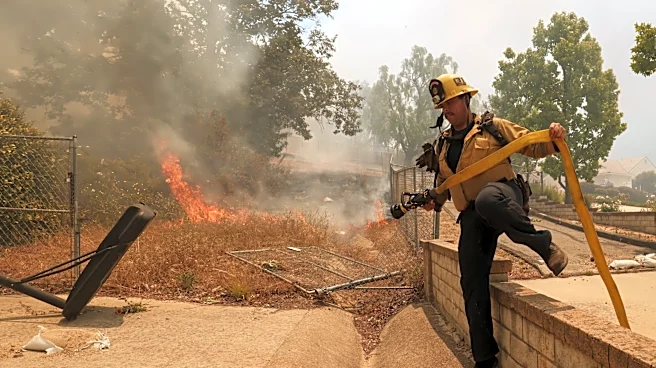
Efforts to contain the wildfire are ongoing, with firefighters working to prevent further spread. The National Park Service and other agencies are likely to continue investigating the cause of the fire to prevent future incidents. Restoration efforts may be necessary to rehabilitate the affected areas and protect the island's biodiversity. The event may prompt discussions on improving fire prevention measures and emergency response strategies in national parks and other protected areas.