







What's Happening?
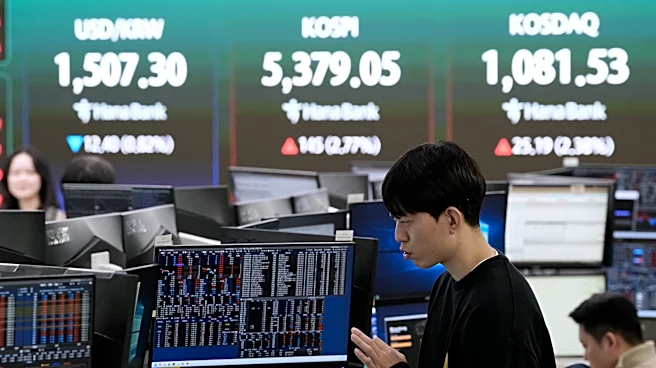
Asian stock markets experienced gains on Monday, with Japan's Nikkei 225 rising by nearly 1.1% and South Korea's Kospi increasing by 1.5%. The trading in Australia, Hong Kong, and Shanghai was closed due to holidays. The market movements are occurring
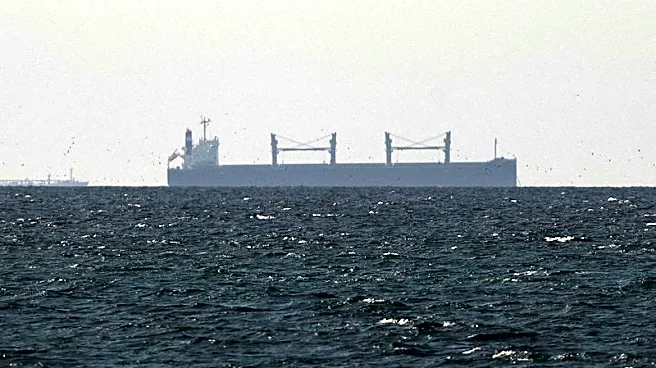
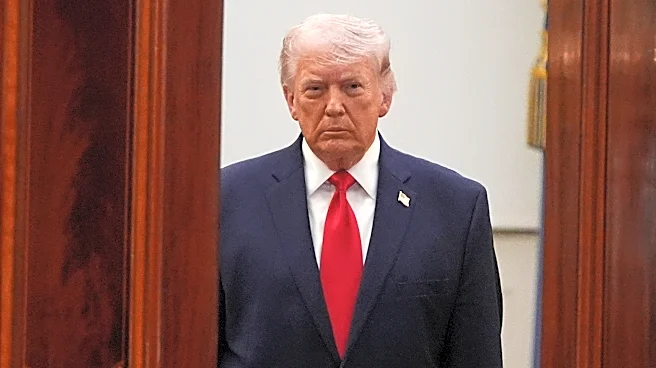
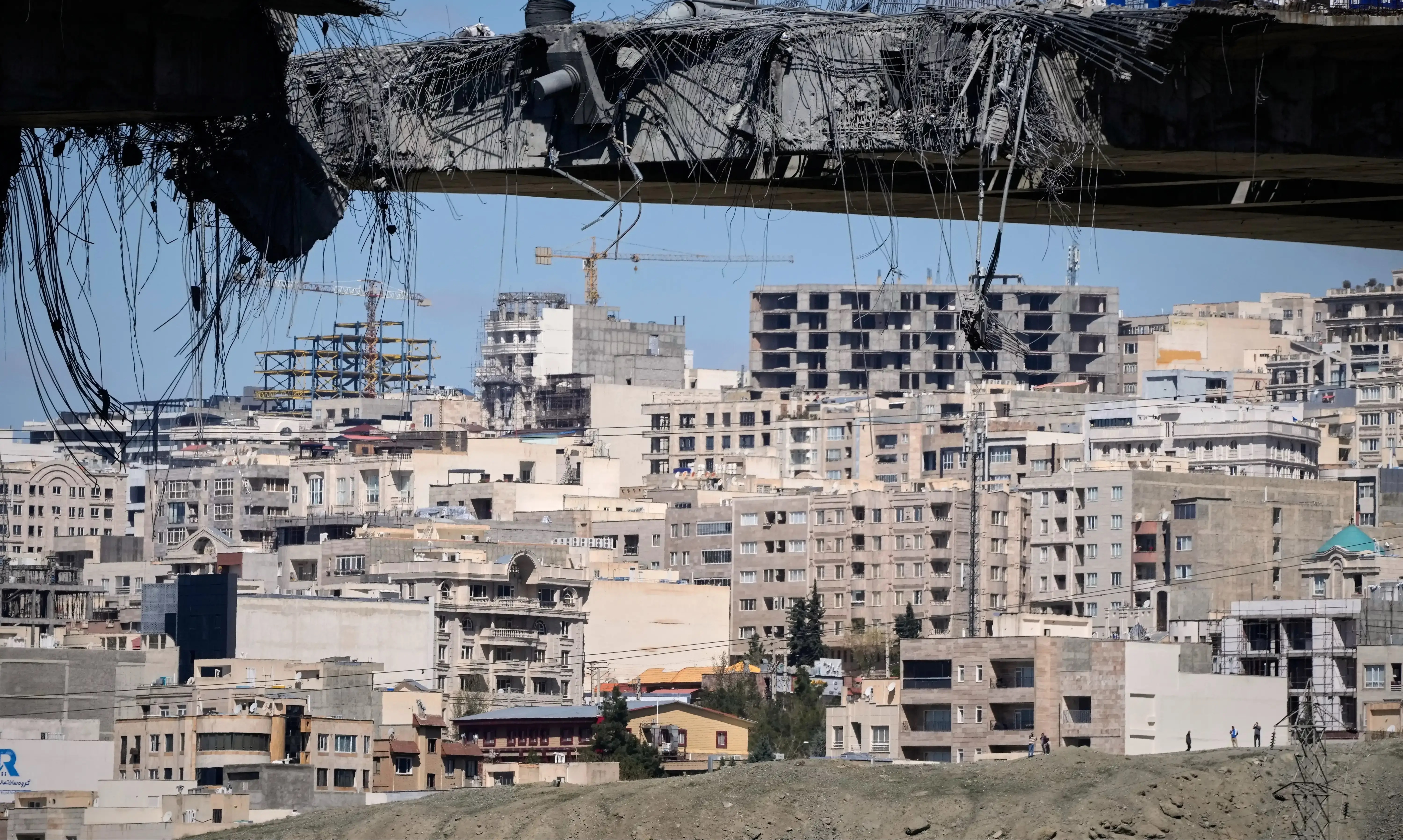
against the backdrop of ongoing tensions in Iran, where President Trump has set a deadline for Iran to open the Strait of Hormuz. The conflict has led to increased oil prices, with U.S. crude reaching $111.92 per barrel and Brent crude at $110.74 per barrel. The situation remains tense as the U.S. rescued two aviators after their jet was shot down by Iran, and President Trump issued further threats over the weekend.
Why It's Important?
The rising oil prices are a significant concern for global markets, particularly for countries like Japan that rely heavily on oil imports through the Strait of Hormuz. The conflict in Iran and the potential for escalation could lead to further disruptions in oil supply, affecting global energy markets. The uncertainty surrounding the situation is reminiscent of past economic disruptions, such as those caused by tariffs. The developments in Iran could have broader implications for international relations and economic stability, influencing investor sentiment and market dynamics.
What's Next?
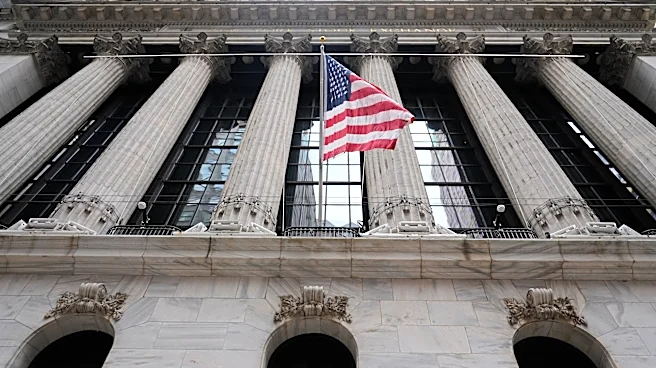
The deadline set by President Trump for Iran to open the Strait of Hormuz is approaching, and the outcome could significantly impact global markets. If the conflict escalates, it may lead to further increases in oil prices and heightened geopolitical tensions. Investors and analysts will be closely monitoring the situation, as well as any statements or actions from the U.S. government. The reopening of U.S. markets after the Good Friday holiday will also be a key moment to watch for potential market reactions.