




What's Happening?
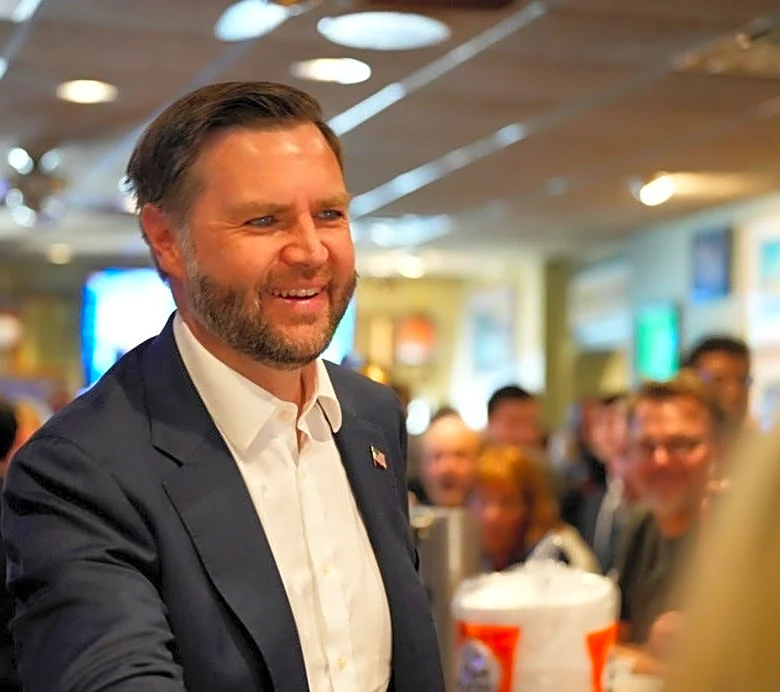
Congressmen Derrick Van Orden of Wisconsin and Bruce Westerman of Arkansas, who chairs the House Committee on Natural Resources, recently hosted a sportsmen's roundtable in Eau Claire, Wisconsin. The event, organized with the assistance of Hunter Nation,
brought together hunters, conservation advocates, and national leaders to engage in direct conversation about critical issues. Key topics included gun rights, the preservation of hunting heritage, conservation efforts, and the future of America’s outdoor traditions. The roundtable aimed to highlight the importance of hunters' participation in civic processes, emphasizing that hunters are a significant constituency for conservation, funding habitat restoration, supporting wildlife management, and bolstering rural economies. The event garnered local media attention, amplifying its message beyond the immediate attendees and underscoring the value of direct engagement between elected officials and the communities they represent.
Why It's Important?
This event is important because it underscores the growing emphasis on the political engagement of hunting and outdoor communities in the U.S. Hunters, often a large and dedicated group, contribute significantly to conservation funding and wildlife management through licenses and excise taxes on equipment. Their collective voice, when mobilized, can influence policy decisions related to firearms, public lands, and environmental regulations. The roundtable's focus on gun rights and hunting heritage highlights the intersection of Second Amendment issues with conservation, a nexus that is particularly salient in American politics. By encouraging hunters to vote and participate in policy discussions, organizations like Hunter Nation aim to ensure that decisions affecting outdoor traditions and access are made with their input, rather than by groups with differing priorities. This initiative could lead to increased voter turnout among sportsmen and women, potentially shifting political landscapes in regions where these issues resonate strongly.
What's Next?
Following this roundtable, Hunter Nation plans to build on the momentum generated by the event. Their strategy includes organizing more conversations, increasing local engagement, and informing more hunters to encourage their active participation in the political process. The goal is to ensure that hunters are registered, educated on relevant issues, and motivated to cast their ballots. This continued outreach could lead to a more organized and influential voting bloc that advocates for gun rights, hunting heritage, and conservation. The success of such initiatives will likely be measured by increased hunter turnout in future elections and the subsequent impact on legislative outcomes concerning outdoor recreation and environmental policy. Political leaders and advocacy groups will be closely watching these efforts to gauge their effectiveness in mobilizing this demographic.
Beyond the Headlines
Beyond the immediate discussions on gun rights and conservation, this event touches upon deeper cultural and demographic shifts in the U.S. The emphasis on hunters' civic influence reflects a broader trend where specific interest groups are increasingly encouraged to translate their cultural strength into political power. This approach seeks to counter narratives that might marginalize hunting and outdoor traditions, particularly in an evolving society. The event also highlights the economic contributions of hunting to rural economies, framing it not just as a recreational activity but as a vital component of local livelihoods. Furthermore, the focus on 'stewardship' and 'passing a deep tradition' speaks to the intergenerational aspect of these activities, positioning them as integral to American identity and values. The effort to ensure hunters' voices are heard in policy decisions is a strategic move to safeguard these traditions against potential legislative challenges and cultural shifts.