




What's Happening?
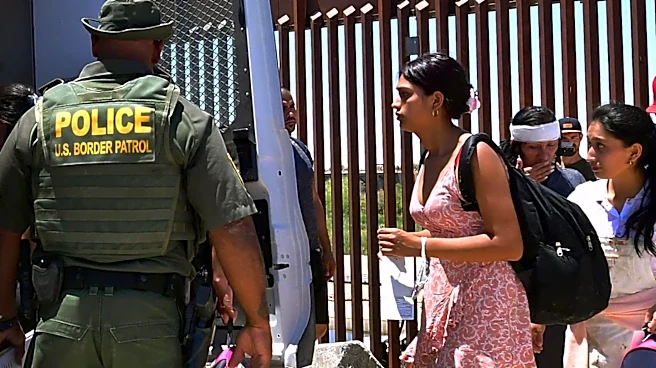
U.S. Rep. André Carson (D-Indiana) has initiated a formal congressional inquiry into the recent operations conducted by U.S. Immigration and Customs Enforcement (ICE) in Indianapolis. On Wednesday, Carson sent a letter to the Department of Homeland Security
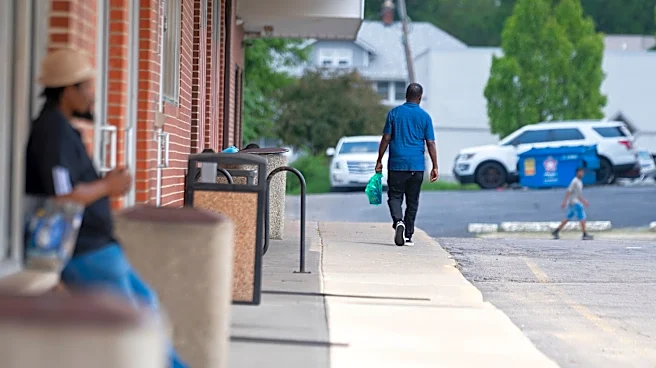
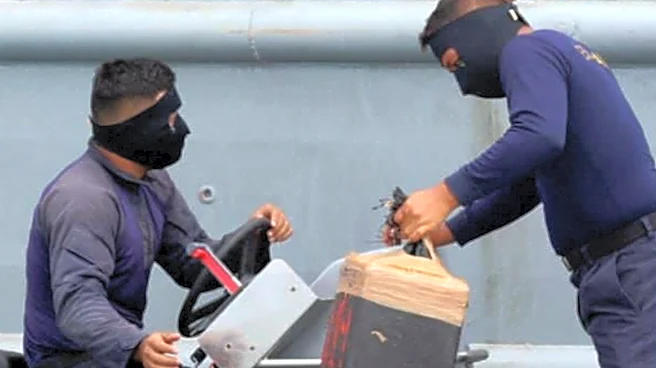
(DHS) and ICE, demanding specific information regarding the number of individuals detained, their criminal histories, and the locations where they are being held. This action comes amidst concerns raised by Indiana Senate Democrats and community members about the tactics employed by ICE, which reportedly include masked federal agents operating in unmarked vehicles. Carson emphasized that his constituents should not have to rely on bystander videos and media reports to understand the activities of federal agents within their communities. The operations have also drawn criticism from Indianapolis Mayor Joe Hogsett, who stated the city received no prior communication from federal officials, and the Indianapolis Metropolitan Police Department (IMPD), which clarified that local officers are not assisting in these operations.
Why It's Important?
This congressional inquiry is important as it highlights a significant political and community divide regarding federal immigration enforcement tactics within U.S. cities. The concerns raised by Rep. Carson and other Democratic officials about transparency and due process reflect broader debates over the scope and methods of ICE operations. The alleged use of masked agents and unmarked vehicles, as described by Indiana Senate Democrats, can erode public trust and create an atmosphere of fear within immigrant communities, potentially hindering cooperation with law enforcement on other matters. The lack of prior communication with local authorities, as noted by Mayor Hogsett, also underscores potential jurisdictional tensions and challenges to local governance. This situation could set a precedent for how federal agencies interact with local jurisdictions and communities, particularly in matters of immigration enforcement, and may influence future policy discussions on accountability and oversight of such operations.
What's Next?
Following Rep. Carson's inquiry, the Department of Homeland Security and ICE are expected to respond to his demands for specific information regarding the Indianapolis operations. The nature and completeness of their response will likely determine the next steps, which could include further congressional hearings, legislative proposals to increase oversight of federal immigration enforcement, or continued public debate. Local organizations, such as the Consulate of Mexico in Indianapolis, will likely continue their efforts to provide support and legal assistance to foreign nationals affected by these operations, including visiting detention centers. The ongoing scrutiny from lawmakers and community groups may also influence future ICE operational strategies, potentially leading to adjustments in their approach to community engagement and communication with local authorities. The political divide exposed by these events suggests that immigration enforcement will remain a contentious issue, with ongoing calls for greater transparency and adherence to due process.
Beyond the Headlines
The situation in Indianapolis extends beyond immediate enforcement actions, touching upon fundamental questions of civil liberties, federal overreach, and community trust. The concerns about masked federal agents and unmarked vehicles evoke comparisons to broader discussions about federal law enforcement presence in local communities, particularly in the absence of clear communication and local coordination. This scenario highlights the ethical dilemma of balancing national security and immigration enforcement with the protection of individual rights and the maintenance of community cohesion. The reliance on bystander videos for information, as noted by Rep. Carson, points to a potential breakdown in official communication channels and underscores the role of citizen journalism in documenting federal actions. This could lead to long-term shifts in how communities perceive and interact with federal agencies, potentially fostering greater advocacy for local control and transparency in law enforcement operations. The incident also brings to light the challenges faced by legal professionals and consulates in assisting detainees when information about their whereabouts and legal status is difficult to obtain, raising questions about access to justice.