
What's Happening?
The World Customs Organization (WCO) has announced it will host a symposium on November 3, 2026, focusing on the critical role of customs in disaster relief efforts. The event, scheduled from 13:00 to 15:15
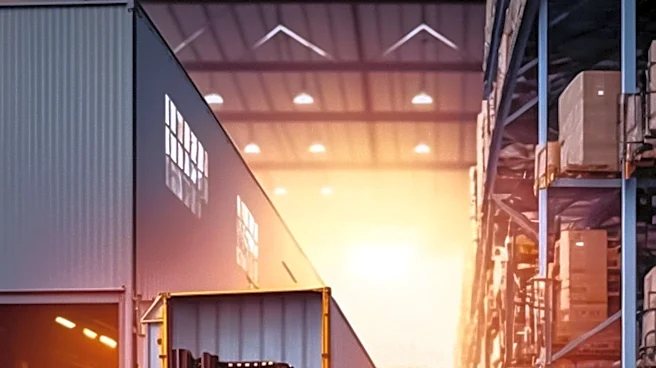
(Brussels time), will be held in a hybrid format and conducted in English and French. The WCO aims to bring together customs administrations, international organizations, and humanitarian stakeholders. The primary objective is to explore how customs can facilitate faster, more coordinated, and resilient responses when disasters strike. This initiative underscores the WCO's commitment to enhancing the efficiency of cross-border movement for life-saving goods and critical medical supplies during humanitarian crises. The symposium will delve into strategies for strengthening resilient cross-border supply chains to ensure timely delivery of aid.
Why It's Important?
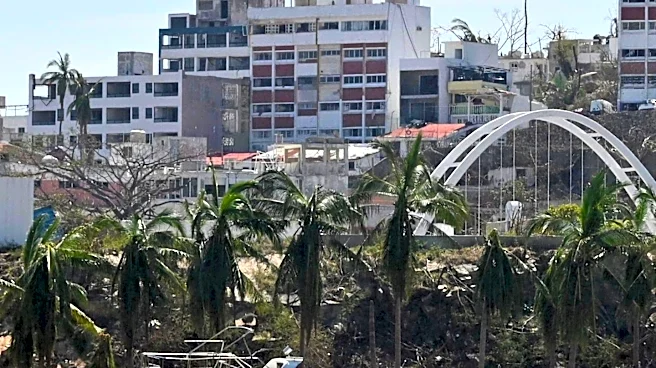
This symposium is important because it addresses a crucial aspect of international humanitarian response: the swift and unhindered movement of aid across borders. Delays in customs clearance can significantly impede disaster relief efforts, potentially costing lives and exacerbating suffering. By bringing together key stakeholders, the WCO aims to streamline procedures and foster greater cooperation, which could lead to more effective and timely delivery of essential supplies to affected populations globally. For the U.S., this could mean improved coordination with international partners in responding to global crises, ensuring that American aid and personnel can reach those in need more efficiently. It also highlights the economic importance of resilient supply chains, as disruptions caused by disasters can have far-reaching economic consequences, affecting trade and global markets. Enhanced customs facilitation can mitigate these impacts, benefiting both humanitarian efforts and global economic stability.
What's Next?
Following the announcement, the WCO will proceed with organizing the symposium, including finalizing the agenda and inviting speakers from various customs administrations, international organizations, and humanitarian groups. Registration details have been provided, indicating that interested parties can sign up to participate in the hybrid event. The discussions and outcomes of the symposium are expected to inform future WCO policies and guidelines regarding customs procedures during disaster relief. This could lead to the development of new frameworks or the refinement of existing ones, such as the SAFE framework, to better address humanitarian logistics. The WCO's ongoing efforts to promote harmonized trade procedures and the Authorised Economic Operator (AEO) status suggest a continued push towards global recognition of AEO certification, which could further simplify customs processes in emergency situations.
Beyond the Headlines
Beyond the immediate goal of improving disaster response, this symposium touches upon broader implications for international cooperation and global governance. The WCO's initiative highlights the evolving role of customs from purely revenue collection and border security to a more integrated function in humanitarian logistics and global resilience. This shift reflects a growing recognition that effective border management is not just about control but also about facilitation, especially in times of crisis. The focus on resilient cross-border supply chains also underscores the interconnectedness of global trade and humanitarian aid, suggesting that robust trade infrastructure can serve as a backbone for emergency response. Ethically, the symposium addresses the moral imperative of ensuring that bureaucratic hurdles do not impede life-saving efforts, promoting a more humane and efficient approach to international aid.