
What's Happening?
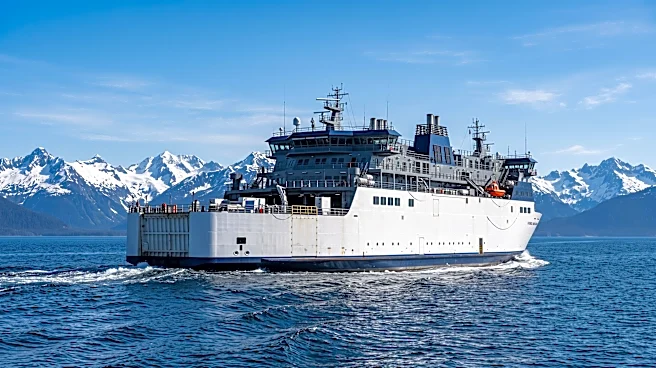
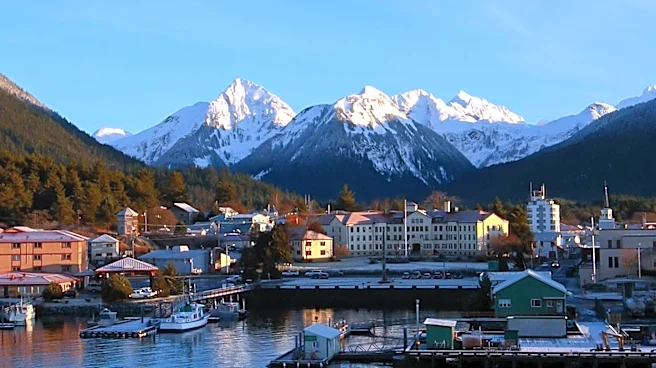
Several towns in Alaska, including Whittier, Skagway, Valdez, and Seward, are situated at the heads of fjords, providing direct access to extensive glacier systems and marine wildlife. Whittier, located
at the head of Passage Canal, serves as a launching point for glacier cruises into Prince William Sound, which contains approximately 150 glaciers, with about 20 being tidewater glaciers. Skagway, at the northern end of the Lynn Canal, America's longest and deepest fjord, offers views of Harding Glacier and helicopter tours to Denver or Laughton Glaciers. Valdez, at the tip of Port Valdez, is the northernmost year-round ice-free port in America and provides access to the Columbia Glacier, the country's second-largest tidewater glacier. Seward, at the head of Resurrection Bay, is a gateway to Kenai Fjords National Park. These towns are popular tourist destinations, attracting visitors for glacier viewing, wildlife observation, and various water-based activities.
Why It's Important?
The accessibility of these Alaskan towns to fjords and glaciers is crucial for the state's tourism industry, drawing millions of visitors annually. This influx of tourism supports local economies through services like cruise operations, guided tours, accommodations, and retail. The unique geographical features, such as the numerous tidewater glaciers and deep fjords, represent significant natural assets that differentiate Alaska as a travel destination. The preservation and accessibility of these natural wonders are vital for sustaining the economic well-being of these communities and for providing opportunities for scientific study of glacial environments. The continuous flow of visitors also highlights the broader public interest in natural landscapes and the importance of conservation efforts in these pristine areas.
What's Next?
The future for these Alaskan fjord towns will likely involve continued efforts to manage tourism sustainably while preserving their natural environments. As climate change impacts glaciers, there may be increased focus on monitoring glacial retreat and adapting tourism offerings accordingly. Infrastructure development, such as improvements to ports and transportation links like the Anton Anderson Memorial Tunnel in Whittier, will continue to be important for accommodating visitor numbers. Local communities will also need to balance the economic benefits of tourism with the potential environmental impacts, ensuring that the unique ecosystems of the fjords and glaciers remain intact for future generations. Marketing efforts will likely continue to highlight the unique experiences these towns offer, from glacier kayaking to wildlife viewing.
Beyond the Headlines
Beyond the immediate economic benefits, the existence and accessibility of these fjord towns underscore the profound geological history of Alaska, shaped by glacial activity over millennia. These locations serve as living laboratories for understanding glaciology, marine biology, and the effects of climate change on polar environments. The cultural identity of these towns is often intertwined with their natural surroundings, influencing local traditions, livelihoods, and community resilience. The challenges of living in such remote and rugged environments, as mentioned in the source, also highlight the adaptability of human settlements. Furthermore, the popularity of these destinations reflects a broader societal appreciation for wilderness and natural beauty, prompting discussions about responsible tourism and the ethical stewardship of fragile ecosystems.