





What's Happening?
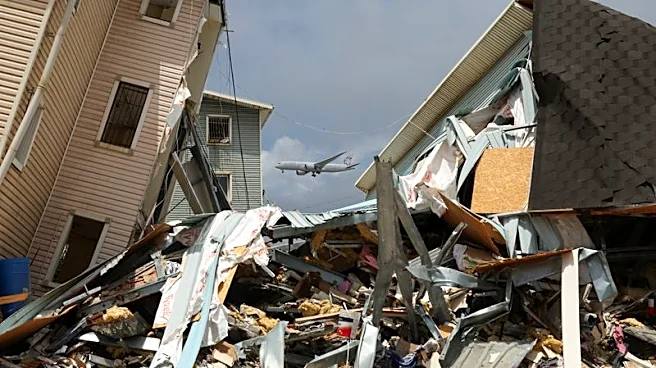
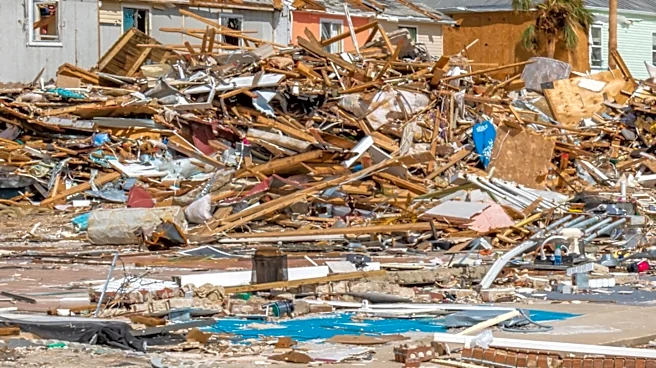
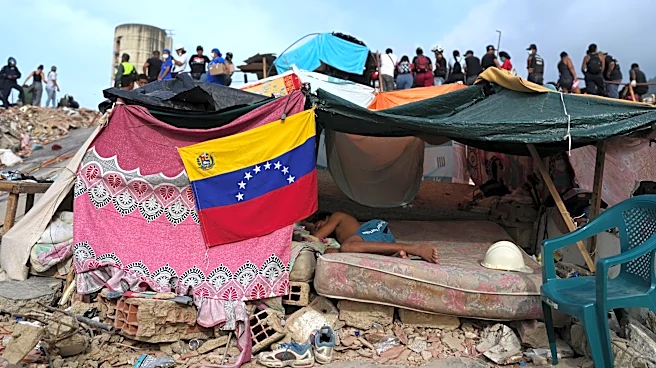
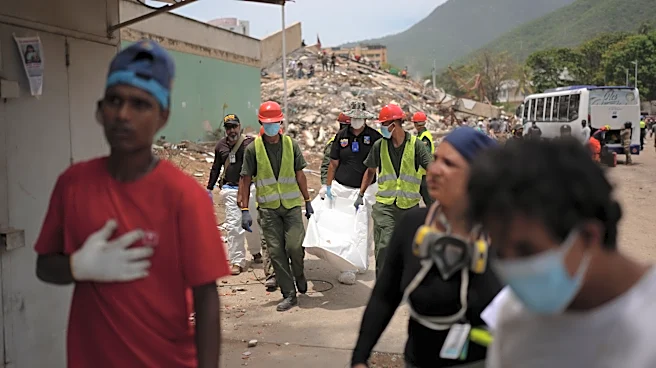
The death toll from the recent earthquakes in Venezuela has risen to 3,342, according to the Venezuelan information ministry. The earthquakes, which struck on June 24 with magnitudes of 7.2 and 7.5, have also left 16,470 people injured and 17,345 homeless.
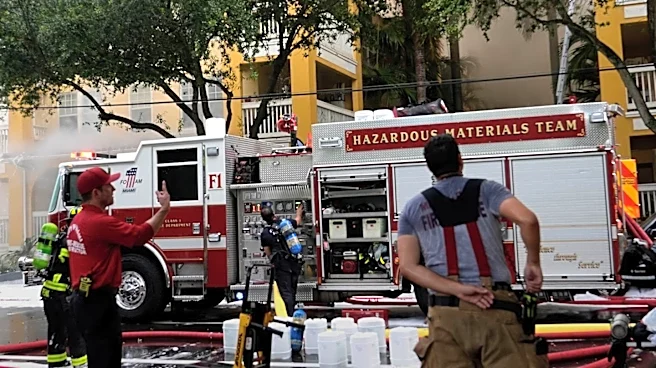
In response to growing frustration over the government's handling of the disaster, Venezuelan President Delcy Rodriguez defended the government's actions during a speech on the country's 215th independence day. She stated that security forces were deployed immediately and announced the creation of a new military unit to manage emergencies and disasters. Despite these efforts, many civilians, including survivors, family members, volunteer paramedics, and foreign rescue teams, have been actively involved in the disaster response. Nearly 30,000 officials and 3,281 international rescue workers have been deployed to assist those affected.
Why It's Important?
The earthquakes in Venezuela have had a devastating impact, highlighting the challenges faced by the government in managing large-scale natural disasters. The significant loss of life and displacement of thousands underscore the urgent need for effective disaster response strategies. The criticism of the government's response could have political implications, potentially affecting public trust and confidence in leadership. Additionally, the involvement of international rescue teams and humanitarian aid reflects the global community's role in disaster relief efforts. The situation also raises questions about infrastructure resilience and preparedness in the face of natural disasters, which are critical for minimizing future risks and ensuring the safety of citizens.
What's Next?
As the situation unfolds, the Venezuelan government is likely to continue its efforts to manage the aftermath of the earthquakes. The newly announced military unit may play a crucial role in ongoing and future disaster response initiatives. International aid and collaboration with foreign rescue teams are expected to persist, providing much-needed support to the affected communities. The focus will likely shift towards rebuilding efforts and addressing the long-term needs of those displaced. Monitoring the government's response and the effectiveness of international aid will be essential in assessing the recovery process and preparing for potential future disasters.
Beyond the Headlines
The earthquakes in Venezuela bring to light broader issues related to disaster preparedness and response in developing countries. The event underscores the importance of building resilient infrastructure and implementing comprehensive emergency management plans. It also highlights the ethical responsibility of governments to protect their citizens and ensure timely and adequate responses to natural disasters. The international community's involvement emphasizes the need for global cooperation in addressing humanitarian crises. Long-term, the situation may prompt discussions on climate change and its potential impact on the frequency and severity of natural disasters, urging countries to adopt sustainable practices and policies.