







What's Happening?
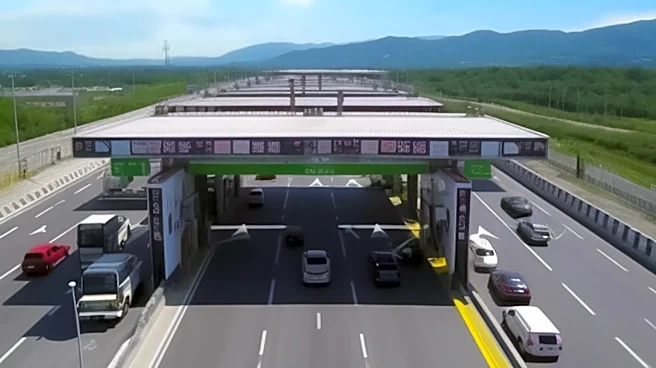
The Regional Transportation Alliance (RTA) Regional Leadership Team has endorsed considering targeted toll revenue options for several major travel corridors in North Carolina. These corridors include I-40, US 70, I-540, I-87, and potentially portions
of US 15-501 and I-885. The RTA's 2027 business plan specifically identifies US 1 north/Capital freeway, I-40, and US 70/junior freeway corridors as prime focuses for targeted investment. The goal of these toll options is to accelerate improvements and provide travelers with choices, such as new or upgraded roadways, toll lanes or shoulders, or part-time tolling, to ensure reliable trips. The discussion also emphasized improving multimodal mobility within these corridors. To support this, the Leadership Team endorsed a potential legislative change to allow free passage on toll roads for publicly-owned and managed transit buses, shuttles, and vanpools. RTA plans to seek legislative action to support this aspect of multimodal mobility in an upcoming legislative session. The RTA highlights the success of targeted toll revenue in accelerating improvements on NC 540 and NC 885, leading to faster choices and quicker relief for commuters.
Why It's Important?
This endorsement by the Regional Transportation Alliance signifies a strategic shift towards leveraging toll revenue to address growing transportation needs in North Carolina. The regional business community recognizes that continuous improvements in major travel corridors are crucial for market growth. By considering targeted toll options, the RTA aims to accelerate infrastructure projects that might otherwise face delays due to traditional funding constraints. This approach offers a potential solution to traffic congestion and aims to provide commuters with more reliable travel choices. The emphasis on multimodal mobility, particularly the proposal for free passage for public transit on toll roads, indicates a broader vision for integrated transportation systems. This could encourage greater use of public transportation, reducing individual vehicle reliance and its associated environmental impact. However, the implementation of new tolls often sparks public debate regarding affordability and equity, especially for lower-income commuters. The success of this initiative will depend on careful planning, transparent communication, and legislative support to ensure that the benefits of accelerated improvements outweigh potential public concerns about increased travel costs.
What's Next?
The Regional Transportation Alliance (RTA) plans to actively pursue legislative action to support its proposed changes, particularly regarding free passage for public transit on toll roads, during an upcoming legislative session. This indicates a move from endorsement to active advocacy for policy changes. The RTA will also continue to examine broader state revenue solutions, as discussed in recent briefings. The organization is committed to highlighting the urgency and opportunity to accelerate meaningful improvements on vital regional roadways through toll revenue solutions. The success of existing toll roads like NC 540 and NC 885 serves as a precedent for the RTA's strategy, suggesting that similar models could be applied to the newly identified corridors. However, the implementation of new tolling arrangements will require coordination with metropolitan transportation planning organizations, the NC Turnpike Authority, and NCDOT. Public engagement and addressing potential concerns from travelers regarding new or increased costs will also be crucial. The RTA's focus on providing choice to travelers, whether through toll lanes or alternative routes, will be a key aspect of their communication strategy as they move forward with these plans.
Beyond the Headlines
The RTA's push for toll revenue solutions in North Carolina reflects a broader national trend where states are increasingly looking beyond traditional funding mechanisms for infrastructure development. This shift is driven by rising construction costs, aging infrastructure, and the limitations of fuel tax revenues. The ethical implications revolve around the concept of 'user pays' versus public funding for essential services. While tolls can provide dedicated funding streams and accelerate projects, they can also create economic disparities, potentially burdening lower-income individuals who may have fewer alternative routes or transportation options. The proposal to allow free passage for public transit on toll roads is a significant step towards mitigating this, promoting equity and encouraging sustainable transportation. Culturally, the acceptance of tolls varies widely, often depending on the perceived value and necessity of the infrastructure improvements. Long-term, this development could lead to a more complex and diversified funding model for transportation, where a mix of public and private investment, alongside user fees, becomes the norm. It also highlights the ongoing challenge for regional planning bodies to balance economic growth, environmental sustainability, and social equity in their infrastructure decisions.