


What's Happening?
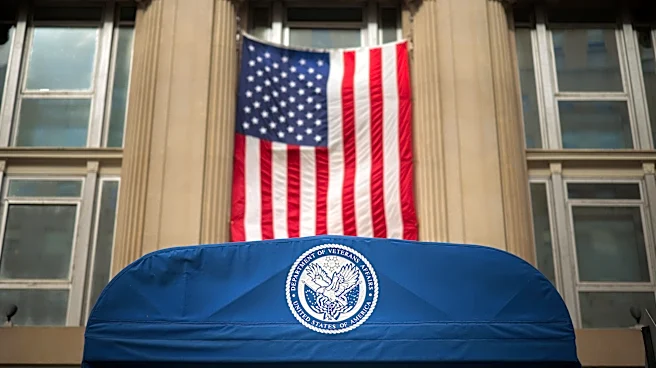
The Department of Veterans Affairs (VA) announced that it permanently housed 48,968 homeless veterans across the country in fiscal year 2026, which ran from October 1, 2025, to September 30, 2026. This achievement represents an average of over 4,000 veterans housed per month.
VA Secretary Doug Collins stated that under President Trump, the VA is intensifying efforts to transition homeless veterans to self-sufficiency. The VA attributes its success partly to community grants, with the second Trump administration awarding over $2 billion to organizations dedicated to reducing veteran homelessness. A key factor in these efforts is the HUD-VASH program, a collaboration between the VA and HUD that combines housing vouchers with VA case management and support services. Congress has consistently funded this program since fiscal year 2008.
Why It's Important?
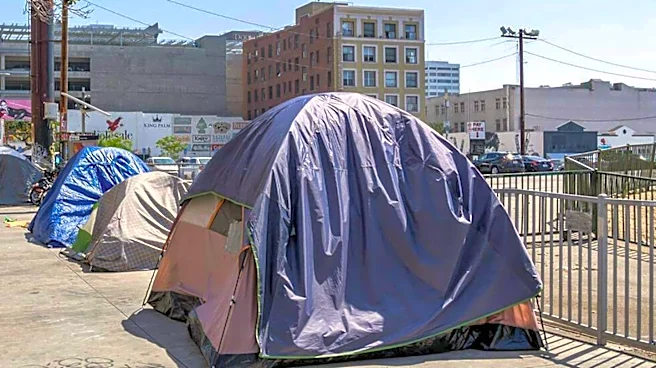
The housing of nearly 49,000 homeless veterans signifies a substantial effort to address a critical social issue affecting those who have served the nation. Providing permanent housing is a fundamental step towards stability and self-sufficiency for veterans experiencing homelessness, improving their health outcomes, employment prospects, and overall quality of life. The significant investment in community grants and the continued reliance on programs like HUD-VASH underscore a multi-faceted approach involving federal agencies and local organizations. This initiative not only provides direct relief to veterans but also contributes to broader community well-being by reducing homelessness. The bipartisan support for addressing veteran homelessness highlights a shared national priority to care for those who have served.
What's Next?
The VA is expected to continue its focus on reducing veteran homelessness, building on the strategies that have proven effective, such as the HUD-VASH program and community grants. There may be ongoing discussions in Congress regarding the allocation of funds for these programs, particularly concerning the utilization of existing HUD-VASH vouchers. Efforts to loosen eligibility requirements for these vouchers, as suggested by some senators, could expand access to housing for more veterans. The VA will likely continue to collaborate with community partners and local governments to identify and house veterans in need, aiming to sustain or improve upon the current housing rates. The long-term goal remains to end veteran homelessness entirely.
Beyond the Headlines
While the numbers reflect significant progress, the issue of veteran homelessness has deeper implications. It often points to underlying challenges such as mental health issues, substance abuse, lack of employment opportunities, and insufficient support systems post-service. Addressing homelessness requires a holistic approach that extends beyond just providing shelter, encompassing comprehensive healthcare, job training, and social reintegration services. The success of programs like HUD-VASH demonstrates the effectiveness of integrated support systems. However, the continued need for such extensive housing efforts also highlights systemic gaps in preventing veterans from becoming homeless in the first place, prompting questions about the adequacy of transitional support for service members returning to civilian life.