






What's Happening?
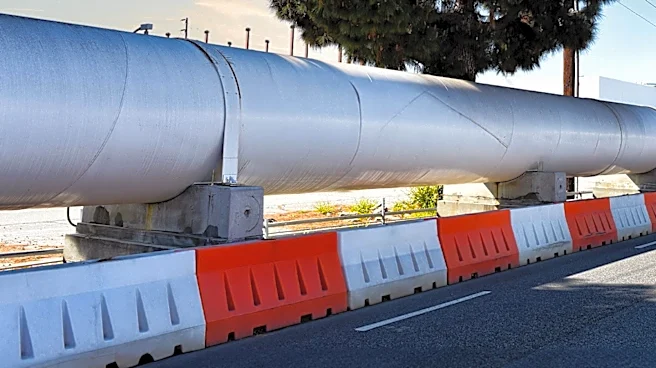
Iraq and Syria have signed an agreement to rebuild an oil pipeline that would serve as an alternative route to the Strait of Hormuz. The pipeline, which stretches from Kirkuk in northern Iraq to Syria's Mediterranean coast, has been closed since it was
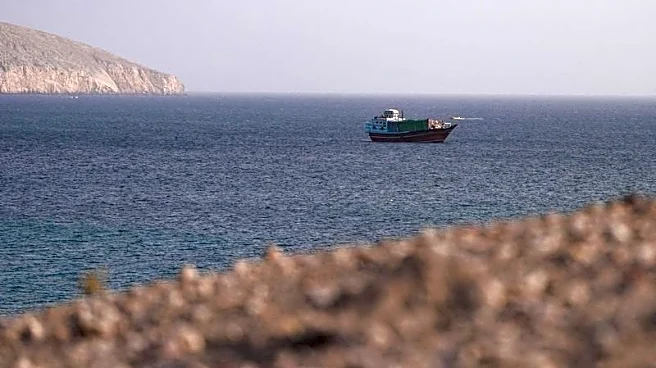
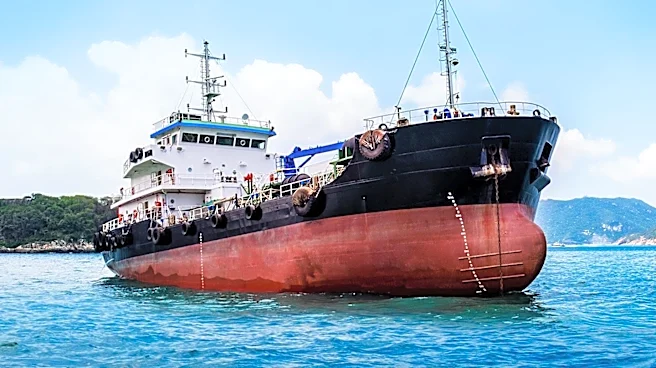
damaged during the U.S. invasion of Iraq in 2003. The agreement was signed at a Chamber of Commerce summit in Washington, with U.S. Energy Secretary Chris Wright overseeing the signing by Basra Oil Company CEO Bassem Abdul Karim Nasr and Syrian Petroleum Company CEO Youssef Qablawi. This development comes as Iraq, the second-largest oil producer in OPEC, seeks to mitigate the impact of disruptions to tanker traffic in the Strait of Hormuz, a critical chokepoint for global oil shipments. Iraq's oil production has significantly decreased due to these disruptions, falling from around 4.2 million barrels per day in February to about 1.9 million barrels per day in June.
Why It's Important?
The restoration of the Iraq-Syria oil pipeline is significant as it provides a strategic alternative to the Strait of Hormuz, a vital passage for global oil trade that has been subject to geopolitical tensions, particularly involving Iran. By diversifying export routes, Iraq aims to stabilize its oil exports and reduce dependency on the Strait of Hormuz, thereby enhancing its economic resilience. This move is part of a broader regional effort, with other Gulf states like the United Arab Emirates and Saudi Arabia also seeking to expand pipeline capacities to bypass the strait. The agreement could potentially shift the dynamics of oil transportation in the region, impacting global oil markets and reducing the geopolitical leverage of countries that control the Strait of Hormuz.
What's Next?
The next steps involve the actual reconstruction of the pipeline, which will require significant investment and coordination between Iraq and Syria. The project is likely to attract international attention and possibly investment, given its strategic importance. Additionally, the geopolitical implications of this development may prompt reactions from other regional players, particularly Iran, which has historically exerted influence over the Strait of Hormuz. The success of this project could encourage further infrastructure developments aimed at reducing dependency on traditional oil transit routes, potentially altering the geopolitical landscape of the Middle East.