


What's Happening?
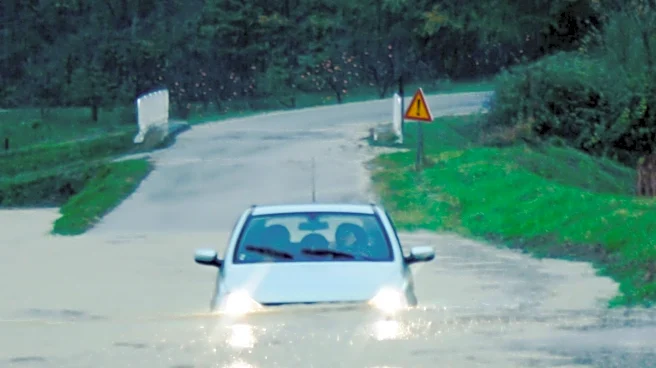
The American Red Cross is issuing a warning about an increased flood risk in the Pacific Northwest as November, historically the wettest month, brings a series of wet weather systems. November is also identified as the leading month for river flooding
due to minimal mountain snowpack to absorb warmer rains when snow levels rise. Atmospheric rivers, also known as pineapple express, are a key factor, bringing significant rainfall from the subtropics. While not all atmospheric rivers cause flooding, some deliver heavy rainfall over several days, coupled with elevated snow levels, leading to swollen rivers. Notable flood events in recent years, many occurring in November, have seen total rain amounts in the Cascades reach 30 to 40 inches, with snow levels rising to between 6,000 and 8,000 feet. Once soils become saturated, these heavy rain events can also trigger landslides. The Red Cross provides shelter, food, and comfort to those affected by floods and offers guidance on flood preparedness.
Why It's Important?
The recurring flood risk in the Pacific Northwest, particularly in November, has significant implications for residents, infrastructure, and emergency services in the U.S. The potential for widespread flooding can lead to property damage, displacement of communities, and disruptions to transportation and local economies. The American Red Cross's involvement highlights the ongoing need for disaster preparedness and response resources. Understanding the phenomenon of atmospheric rivers and their impact is crucial for regional planning and mitigation efforts. The distinction between a '100-year flood' and its actual statistical meaning—a 1% chance of occurrence in any given year—is vital for public awareness, preventing complacency, and encouraging continuous vigilance. This annual threat underscores the importance of robust emergency management systems and community resilience in flood-prone areas.
What's Next?
As the flood season in the Pacific Northwest typically extends into March, residents are advised to remain vigilant and prepared for potential heavy rain events and significant flooding. The American Red Cross encourages individuals to take proactive steps, including understanding their flood risk, creating an emergency plan, and assembling an emergency kit. Monitoring weather developments, particularly the transport of moisture north into the North Pacific, is also recommended. Emergency services and local authorities will likely continue to monitor weather patterns and issue warnings as needed. The ongoing nature of this annual flood risk means that preparedness and rapid response will remain critical for minimizing the impact on communities throughout the region.
Beyond the Headlines
The persistent flood risk in the Pacific Northwest, exacerbated by atmospheric rivers, points to broader environmental and climate considerations. While the source does not explicitly link these events to climate change, the increasing frequency and intensity of extreme weather events globally raise questions about long-term hydrological shifts. The concept of a '100-year flood' being misunderstood by the public highlights a communication challenge in conveying probabilistic risk, which can lead to underestimation of danger. This situation underscores the need for clearer public education on natural hazards and the importance of continuous preparedness rather than a one-time response. The Red Cross's role extends beyond immediate relief to fostering community resilience, which is increasingly vital in a changing climate where such events may become more common or severe.