



What's Happening?
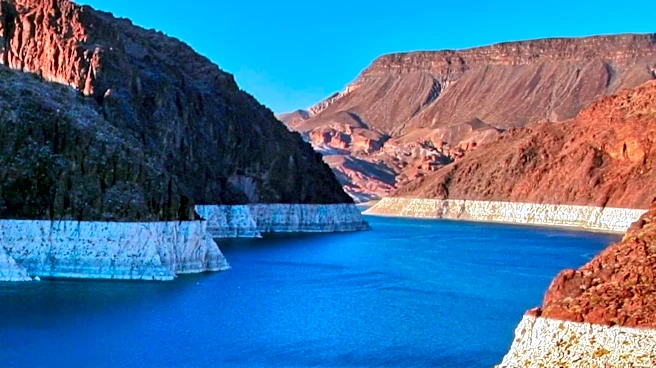
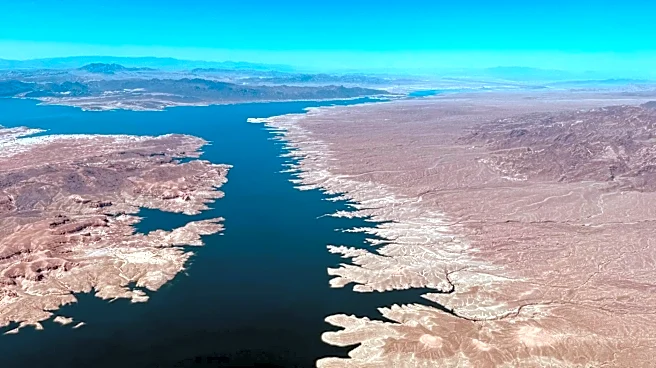
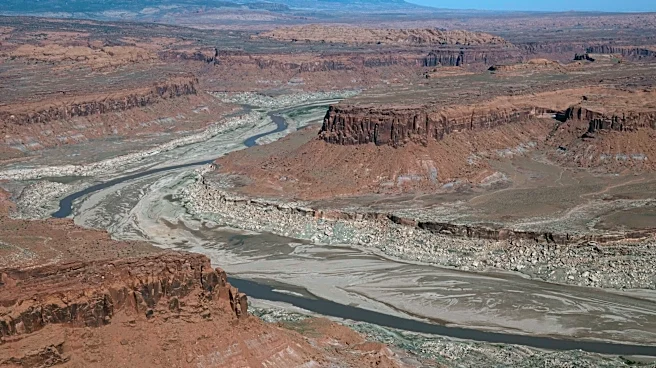
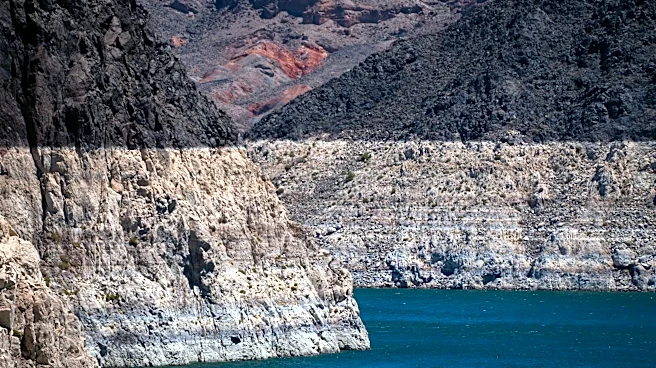
Lake Mead, the largest reservoir in the United States, has reached its lowest water level on record, raising significant concerns about water supply and hydropower generation for millions of people in the American Southwest. The reservoir, which is crucial
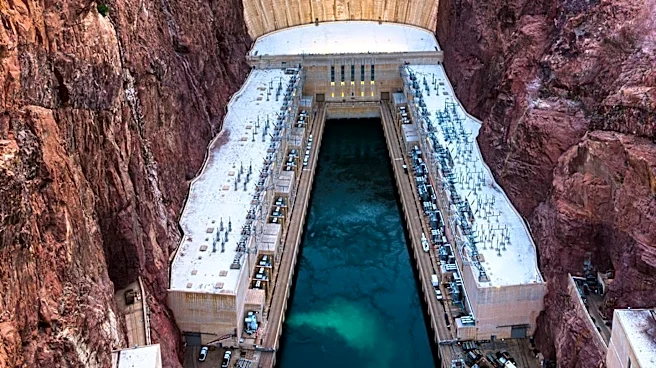
for providing water to seven U.S. states and two Mexican states, is nearing the operational threshold that could force the shutdown of turbines at the Hoover Dam, reducing its power generation capacity by 70%. The federal government has proposed that the Lower Basin states—Arizona, California, and Nevada—reduce their water usage to address the crisis.
Why It's Important?
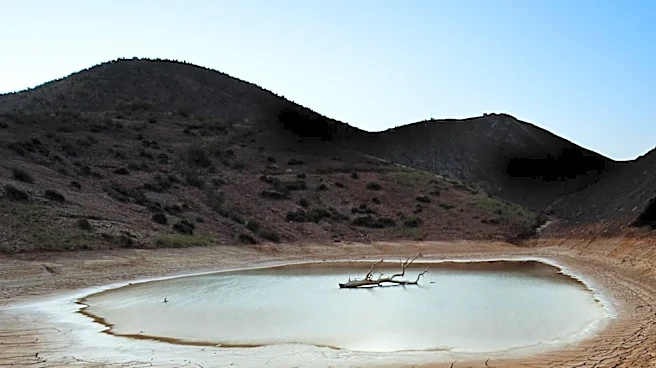
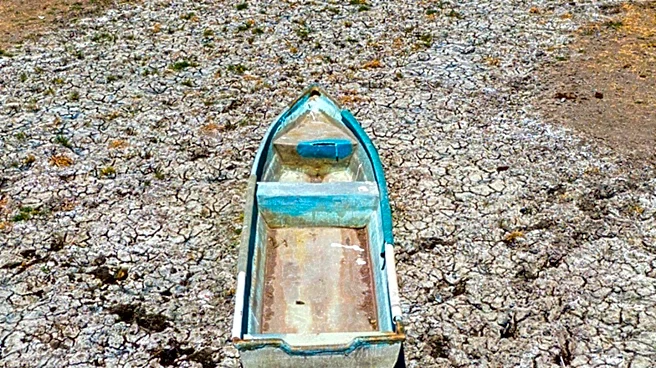
The declining water levels at Lake Mead highlight the severe impact of prolonged drought conditions and climate change on water resources in the region. The potential reduction in water supply and hydropower generation poses significant challenges for agriculture, industry, and residential water use, affecting millions of people and businesses. The situation underscores the urgent need for collaborative water management strategies and conservation efforts among the states and stakeholders reliant on the Colorado River Basin. The federal government's involvement indicates the critical nature of the issue and the need for coordinated action to ensure water security and sustainability.
What's Next?
As water levels continue to decline, stakeholders will need to implement and adhere to water conservation measures and explore alternative water sources to mitigate the impact on communities and industries. The federal government and state authorities are likely to engage in further negotiations to develop long-term solutions for water allocation and management. Additionally, the situation may prompt increased investment in water infrastructure and technology to enhance efficiency and resilience. The ongoing drought and climate change effects will continue to influence water policy and resource management in the region.