


What's Happening?
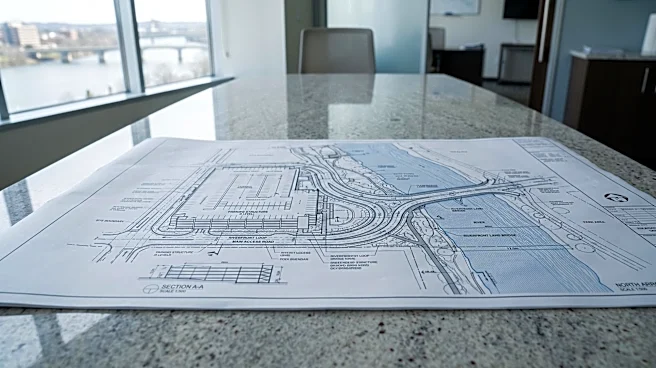
The City of Cedar Rapids has announced the near completion of a significant two-year road rehabilitation project on 5th Avenue SE, stretching from 5th Street SE to 19th Street. This project addressed the deterioration of one of the city's oldest streets,
which historically featured a brick roadway with streetcar rails that were paved over in the 1930s. The extensive work included replacing aging storm sewers, installing new water mains and services, and providing ADA-compliant parking and sidewalk improvements. Project Manager Rebecca Lesnik highlighted the importance of the upgrade for the neighborhood, noting that the roadway was well past its useful life and the water main required replacement. The project also aimed to improve overall accessibility to the medical corridor, benefiting the entire community. While final sod placement will await spring due to dropping temperatures, the entire road is finished and open to traffic, marking a major infrastructure achievement for the city.
Why It's Important?
This infrastructure project is crucial for Cedar Rapids as 5th Avenue SE serves as a major thoroughfare into downtown. The completion of this rehabilitation enhances daily commutes and improves connectivity for residents and visitors. By upgrading essential utilities like storm sewers and water mains, the project also bolsters the city's resilience against future infrastructure failures and ensures reliable service for the community. The inclusion of ADA-compliant improvements signifies a commitment to accessibility, making the area more navigable for individuals with disabilities and promoting inclusivity. Furthermore, the project's funding through the Paving for Progress program, supported by a local option sales tax, demonstrates how local taxation directly translates into tangible community benefits, reinforcing public trust in local government's ability to manage and execute vital urban development initiatives. This investment is expected to have long-term positive impacts on local commerce and quality of life.
What's Next?
With the main roadway now open to traffic, the immediate next step for the City of Cedar Rapids will be the final landscaping work, specifically the placement of sod, which is scheduled for spring when weather conditions are more favorable. Project Manager Rebecca Lesnik confirmed that the road is fully functional despite this pending aesthetic detail. The city will continue its Paving for Progress program, which utilizes a 10-year management plan based on pavement condition data collected every two years to identify and prioritize future road repair projects. This ongoing program aims to reconstruct roads in the worst condition, perform preventative maintenance on others, and improve neglected residential neighborhoods. Residents can expect continued investment in the city's infrastructure, funded by the local option sales tax, ensuring that other critical roadways and community areas receive necessary upgrades in the coming years.
Beyond the Headlines
The 5th Avenue SE rehabilitation project in Cedar Rapids offers insights into the complexities of urban infrastructure development, particularly in older cities. The discovery and management of historical elements, such as the buried streetcar rails and the need to consult with a state archaeologist for an intersection that was once an ancient cemetery site, highlight the intersection of modern development with historical preservation. This careful approach ensures that progress does not inadvertently erase or disrespect the past. The project also underscores the importance of community funding mechanisms like the local option sales tax. This funding model, approved by voters, directly links citizen participation to tangible improvements in their daily lives, fostering a sense of ownership and investment in local governance. Such projects are not merely about fixing roads but about weaving together the past, present, and future of a community's physical and social fabric.