
What's Happening?
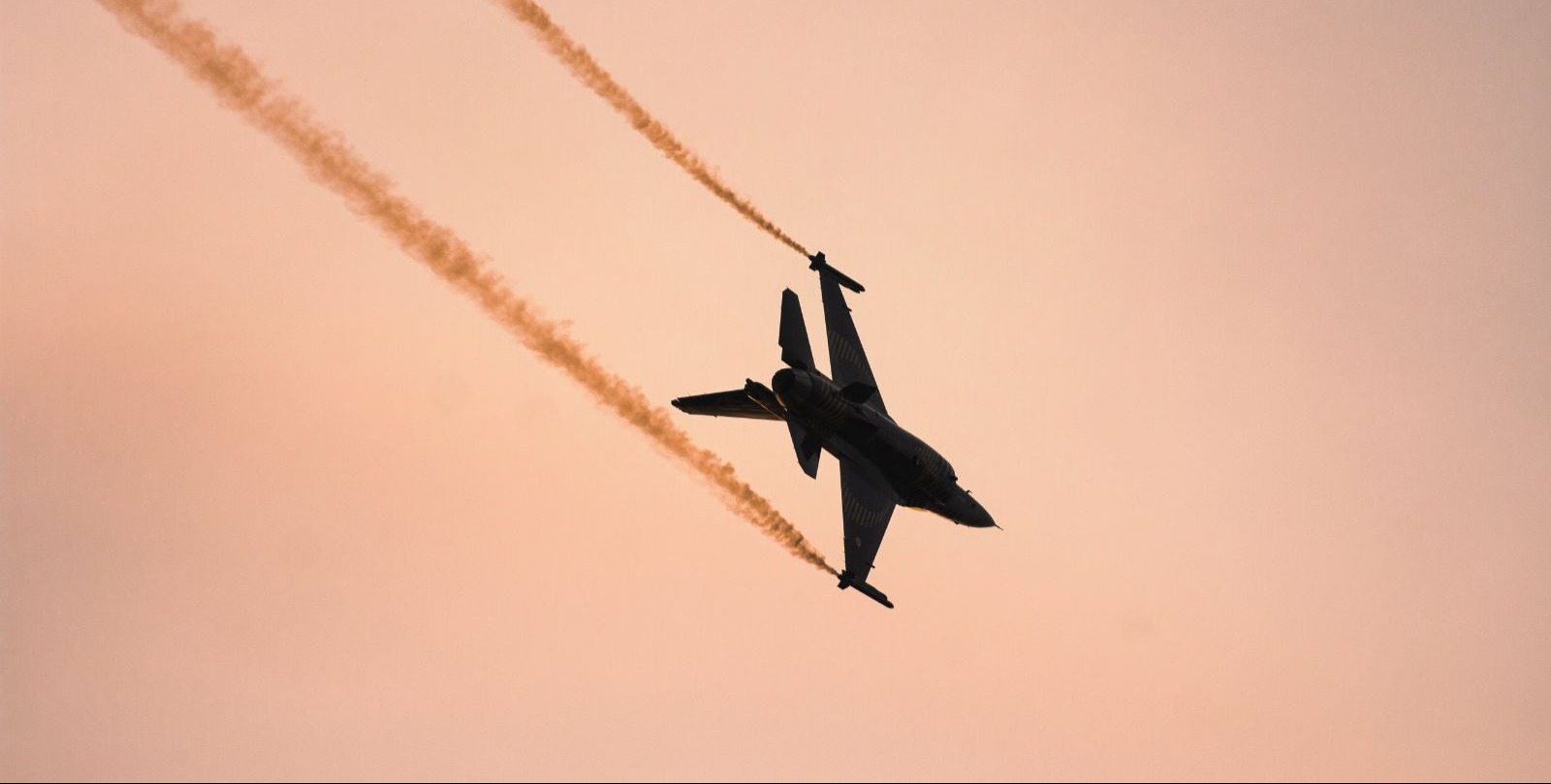
In a significant escalation of the ongoing conflict in the Middle East, Iranian and American forces are in a race to recover a missing pilot from a downed US fighter jet inside Iran. The incident marks the first time a US fighter jet has been downed in Iran since
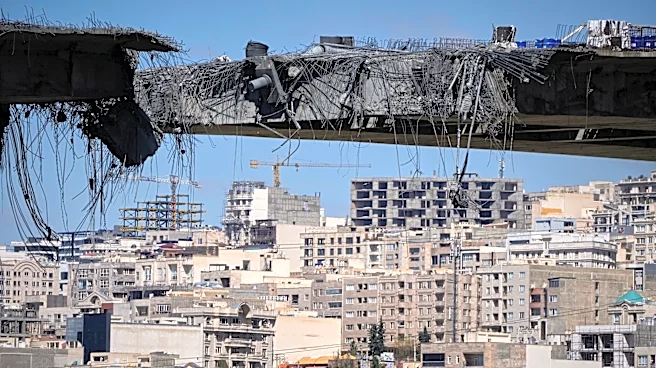
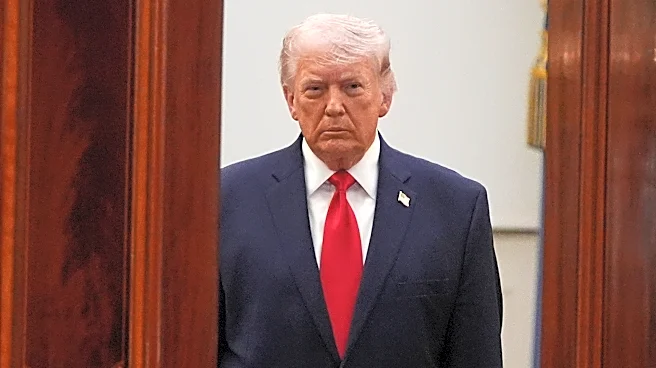
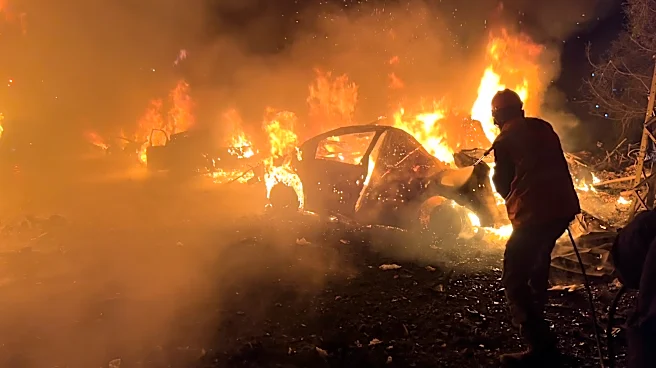
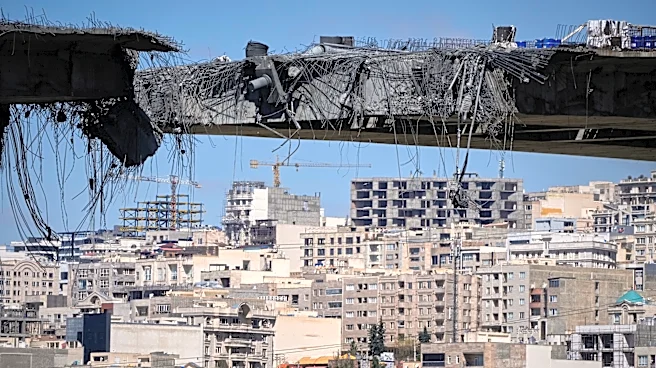
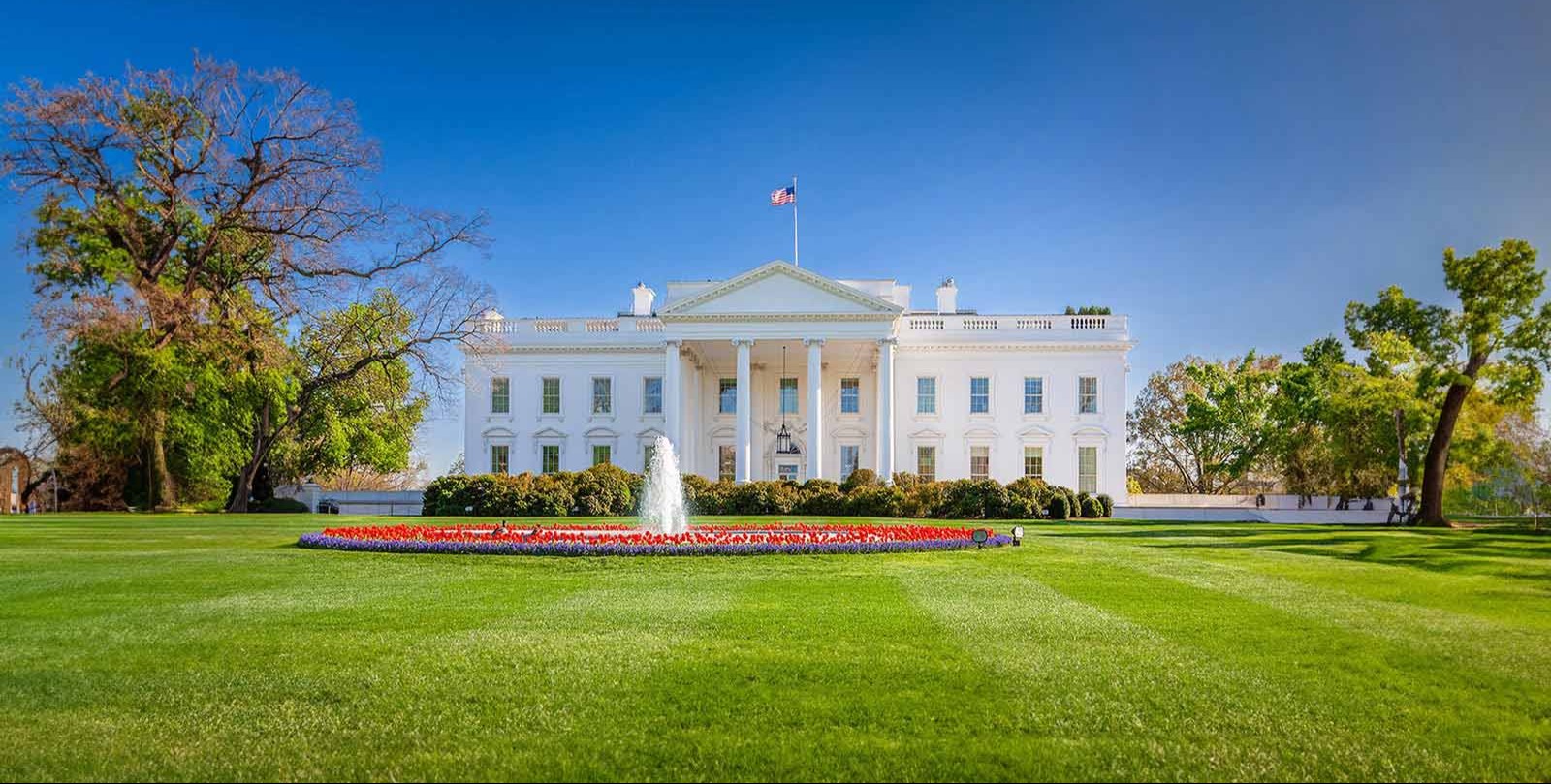
the start of the conflict. Tehran claims to have shot down the F-15 warplane, while US media reports indicate that American special forces have rescued one of the two crew members, with the other still missing. The situation has intensified as Iran's military also reported downing a US A-10 ground attack aircraft in the Gulf, with the pilot reportedly rescued. The White House, under President Trump, has been briefed on the situation, and the President has stated that the loss of the F-15 will not affect ongoing negotiations with Iran. Meanwhile, fresh strikes have been reported in Israel, Iran, Lebanon, and Gulf countries, with significant blasts in northern Tehran. These developments have raised concerns about potential disruptions to global energy supplies.
Why It's Important?
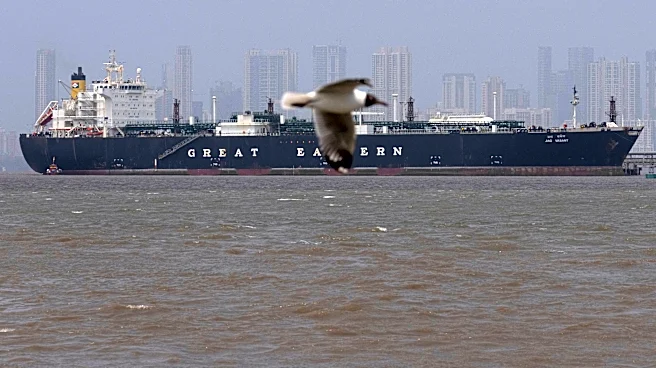
The ongoing conflict and the recent downing of US aircraft in Iran have significant implications for global security and economic stability. The escalation of military actions in the region threatens to disrupt global energy supplies, particularly given the strategic importance of the Strait of Hormuz, a critical chokepoint for oil transportation. The conflict also poses a challenge to US foreign policy and military strategy, as it navigates complex relationships with regional allies and adversaries. The increased military spending proposed by President Trump, amounting to a $1.5 trillion defense budget for 2027, underscores the financial and strategic stakes involved. This budget proposal, if approved, would represent the largest increase in Pentagon spending since World War II, reflecting the heightened security commitments and costs associated with the conflict.
What's Next?
The immediate focus for US and Iranian forces is the recovery of the missing pilot, which could influence subsequent military and diplomatic actions. The rejection of a US proposal for a 48-hour ceasefire by Iran suggests that tensions are unlikely to de-escalate in the short term. The potential for further military engagements remains high, with both sides likely to continue strategic strikes. The international community, including the United Nations, may seek to mediate and prevent further escalation. Additionally, the US Congress will need to deliberate on the proposed defense budget, which could have long-term implications for US military and foreign policy.
Beyond the Headlines
The conflict in the Middle East highlights broader geopolitical tensions and the complex interplay of regional powers. The involvement of multiple countries, including Israel and Lebanon, and the targeting of economic and industrial sites, underscores the multifaceted nature of modern warfare. The situation also raises ethical and humanitarian concerns, particularly regarding the impact on civilian populations and infrastructure. The potential for a prolonged conflict could lead to significant shifts in regional alliances and power dynamics, with long-term implications for global security and economic stability.