
What's Happening?
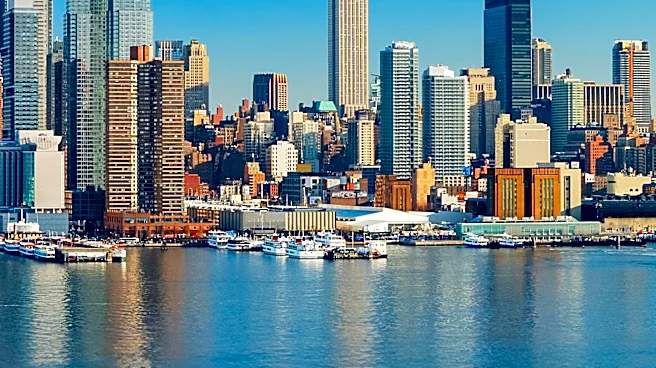
The first phase of the $10 billion redevelopment of the Port Authority Bus Terminal in Midtown, Manhattan, is actively progressing. Designed by Lord Norman Foster of Foster + Partners and Epstein (A. Epstein and Sons International) for the Port Authority of New
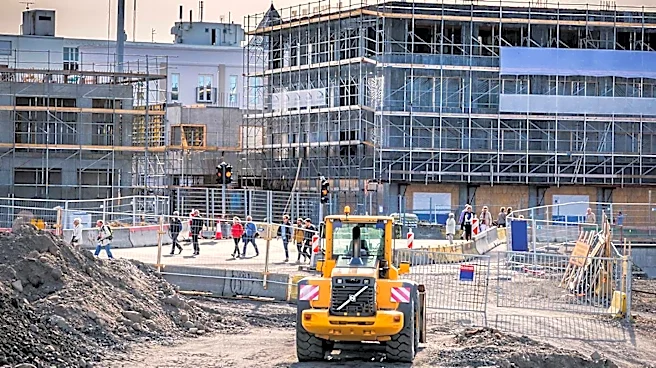
York and New Jersey (PANYNJ), this project aims to replace the 74-year-old, 2.1-million-square-foot structure with a modern, higher-capacity terminal. Construction is currently focused on the western side of the terminal and the land surrounding the Lincoln Tunnel's entrance and exit lanes. Two down ramps have been demolished, and excavators are clearing debris and removing steel columns. Significant progress is also being made on the new Dyer Avenue deck-over between West 38th and West 39th Streets, which will eventually become a 3.5-acre public park. This deck-over will temporarily serve as bus staging while the rest of the terminal's construction continues.
Why It's Important?
This redevelopment is a critical infrastructure project for the U.S., particularly for the New York metropolitan area, which relies heavily on the Port Authority Bus Terminal for regional transportation. The existing terminal, serving hundreds of thousands of daily commuters, is outdated and at capacity. The new terminal will significantly increase bus storage from 50 to 300-350 midday slots and expand retail space from 69,365 to 155,344 square feet, boosting local commerce. The project's scale and cost, at $10 billion, underscore the immense investment required to modernize aging urban infrastructure. Its success will impact regional connectivity, economic activity, and the daily lives of countless commuters. The inclusion of a 3.5-acre public park on the Dyer Avenue deck-over also highlights a growing trend in urban planning to integrate green spaces into large-scale developments, improving urban quality of life.
What's Next?
The first stage of construction, from 2024 to 2028, involves erecting new ramps, completing the Dyer Avenue deck-over, and building an additional temporary storage and staging facility. Phase two, scheduled from 2029 to 2032, will focus on constructing the new terminal itself, with the temporary facility serving as the main hub during this period. The final phase will commence afterward, adding the public green space to the Dyer Avenue deck. This phase also includes plans for two office skyscrapers, rising 926 and 1,346 feet, with a combined maximum floor area of 5 million square feet. The entire project is expected to be completed around 2032. The new terminal will feature five floors for buses, 40 gates for intercity buses, taller ceiling heights, and electric charging stations for buses, signaling a move towards more sustainable transportation infrastructure.
Beyond the Headlines
The Port Authority Bus Terminal redevelopment is more than just a transportation upgrade; it represents a significant urban transformation project. The integration of public green space and potential office skyscrapers reflects a broader vision for Midtown Manhattan, aiming to create a more livable and economically vibrant district. This project could serve as a model for other major U.S. cities grappling with aging infrastructure and the need for sustainable urban development. The long timeline of the project, spanning nearly a decade, also highlights the complexities and challenges inherent in large-scale public works, including funding, logistical coordination, and managing disruption to daily life. The emphasis on electric charging stations for buses points to a future where major transportation hubs are designed with environmental sustainability and technological advancements at their core, influencing regional transportation policies and infrastructure investments for decades to come.