
What's Happening?
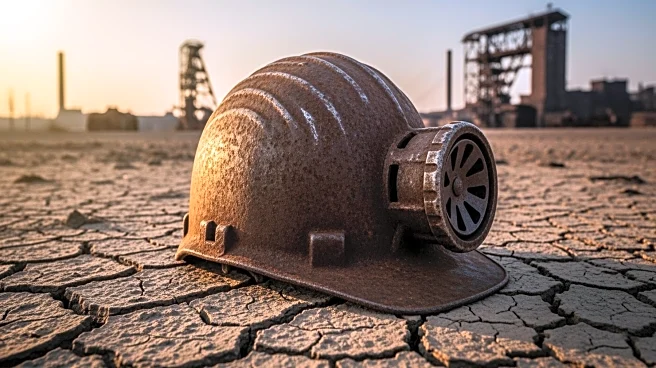
The last deep coal mine in the Czech Republic, located in Stonava near the Polish border, is set to close at the end of January. This marks the end of over 250 years of deep mining in the region, which
played a crucial role in the rise of heavy industry in Central Europe. The closure is driven by low coal prices and Europe's shift towards industrial and environmental sustainability. The state-owned company OKD, which operates the mine, had previously extended operations due to energy market fluctuations following geopolitical events.
Why It's Important?
The closure of the mine signifies a significant shift in energy and industrial policies in Europe, as countries move away from coal towards more sustainable energy sources. This transition impacts not only the local economy and workforce but also the broader industrial landscape of Central Europe. The region, once a powerhouse of heavy industry, must now adapt to new economic realities and opportunities. The transition also highlights the challenges and opportunities associated with decarbonization efforts, as regions seek to balance economic growth with environmental sustainability.
What's Next?
As the mine closes, the region faces the challenge of economic transformation. OKD plans to pivot towards new ventures, including coal trading and developing a battery park, data center, and methane-fueled power plant. The region will also benefit from the EU's Just Transition fund, aimed at supporting areas affected by decarbonization policies. This transition period will require strategic planning and investment to ensure economic stability and job creation, as well as addressing the environmental impacts of past mining activities.