






What's Happening?
Senator Marsha Blackburn's Veterans Health Care Freedom Act, which aims to allow veterans to bypass Department of Veterans Affairs (VA) authorization for outside care, has been introduced three times since 2022 without becoming law. This act is part of a larger
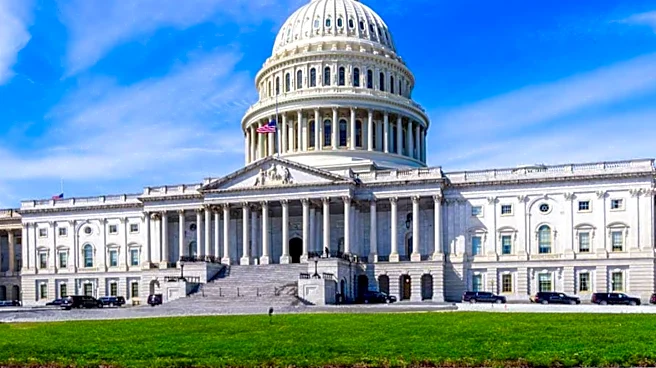
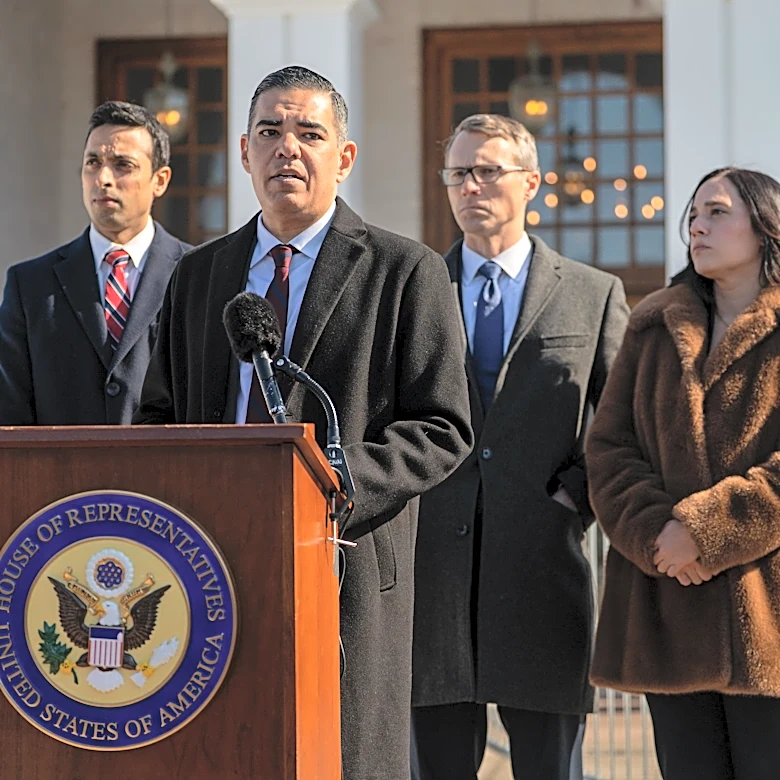
legislative discussion surrounding the Take Care of America’s Veterans Act (TCAVA), a comprehensive package of 60 bills currently under consideration for a floor vote in the House. Critics argue that TCAVA, particularly its two grant programs—the Staff Sergeant Parker Gordon Fox Suicide Prevention Grant Program and the RECOVER Act—could weaken the VA's authority to coordinate and decide on veterans' outside care. The Fox program, initially designed for non-clinical support and referrals to the VA, is reportedly being used by some grantees to fund routine mental health treatment, contrary to its original intent. The RECOVER Act, championed by organizations like the Cohen Veterans Network (CVN), seeks to establish a pilot grant program for nonprofit outpatient mental health clinics, potentially bypassing VA referral requirements.
Why It's Important?
The ongoing legislative efforts, including Senator Blackburn's bill and the broader TCAVA, have significant implications for the future of veterans' healthcare in the U.S. If passed in its current form, TCAVA could fundamentally alter how the VA operates, potentially eroding its gatekeeping authority over community care. This shift could lead to a fragmented system where the VA has less oversight over the quality and coordination of care veterans receive from outside providers. For veterans, this could mean a less integrated healthcare experience, with potential gaps in care coordination and accountability. Private-sector interests, particularly those advocating for increased community care, stand to gain from such changes, as more VA funding could be directed to non-VA providers. Conversely, the VA and veterans who rely on its integrated system could lose out, as resources and authority are potentially diverted or diminished. The debate also highlights concerns about fiscal prudence, as critics question the cost-effectiveness and accountability of some grant programs.
What's Next?
The House leaders are currently weighing a floor vote on the Take Care of America’s Veterans Act (TCAVA), which includes the Fox and RECOVER grant programs. The future of Senator Blackburn's Veterans Health Care Freedom Act is tied to these broader legislative discussions. There is a call for Congress to take five non-negotiable steps: pull the plug on the RECOVER Act, enforce the ban on grant-funded treatment within the Fox program, ensure data collection for renewal decisions, tie renewals to demonstrated results and reasonable costs, and stop reallocating funds from other VA suicide prevention initiatives to programs like Fox without clear evidence of effectiveness. The VA's Office of Business Oversight (OBO) is responsible for auditing Fox grantees, but concerns have been raised about the effectiveness and transparency of these audits. The outcome of the TCAVA vote will determine the immediate direction of veterans' healthcare policy and the role of the VA in coordinating care.
Beyond the Headlines
The legislative push to expand community care for veterans, as seen in Senator Blackburn's bill and the TCAVA, reflects a long-standing tension between maintaining a robust, integrated VA healthcare system and increasing access to private-sector providers. This debate touches upon the ethical responsibility of the government to provide comprehensive care for its veterans, the legal frameworks governing federal healthcare programs, and the cultural perception of veterans' needs. The potential for grant programs to operate with insufficient oversight or to deviate from their intended purpose raises questions about accountability and the effective use of taxpayer dollars. The involvement of well-funded nonprofit clinics and lobbying efforts underscores the significant financial and political interests at play. Ultimately, the decisions made regarding these bills will shape the long-term landscape of veterans' healthcare, influencing not only access to services but also the very structure and integrity of the VA system.