



What's Happening?
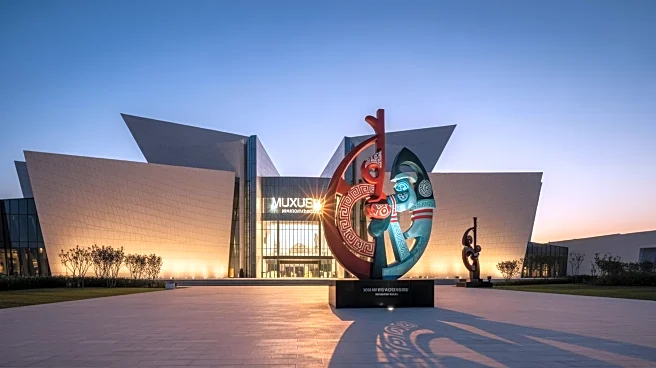
A significant cultural expansion is underway in the Gulf region, with new museums opening in the United Arab Emirates, Qatar, and Saudi Arabia. These projects are part of a broader strategy to leverage oil wealth to enhance cultural standing and diversify
economies. The expansion has involved partnerships with Western institutions like the Louvre and the British Museum, which have provided expertise in museum infrastructure and exhibition design. This has led to a booming consultancy economy, raising questions about the long-term cultural independence of these nations. While local talent development is a priority, the reliance on foreign expertise remains significant.
Why It's Important?
The Gulf's investment in cultural infrastructure is a strategic move to diversify economies traditionally reliant on oil. By establishing world-class museums, these nations aim to boost tourism and global cultural influence. However, the heavy reliance on Western expertise could limit the development of local cultural management capabilities. This dynamic may affect the region's ability to sustain these institutions independently in the future. The cultural projects also reflect broader geopolitical ambitions, as Gulf nations seek to position themselves as global cultural hubs.
What's Next?
As these museums continue to develop, there will likely be increased efforts to train local professionals to manage and operate these institutions. Future partnerships with international museums may focus more on knowledge transfer and capacity building. The success of these initiatives will depend on balancing foreign expertise with local talent development. Additionally, the cultural expansion may influence other sectors, such as tourism and education, as Gulf nations continue to diversify their economies.
Beyond the Headlines
The cultural expansion in the Gulf raises ethical questions about cultural representation and the role of foreign influence in shaping local narratives. The projects also highlight the tension between modernization and traditional values in the region. As these nations navigate these challenges, the outcomes could redefine cultural diplomacy and international collaboration in the arts.