





What's Happening?
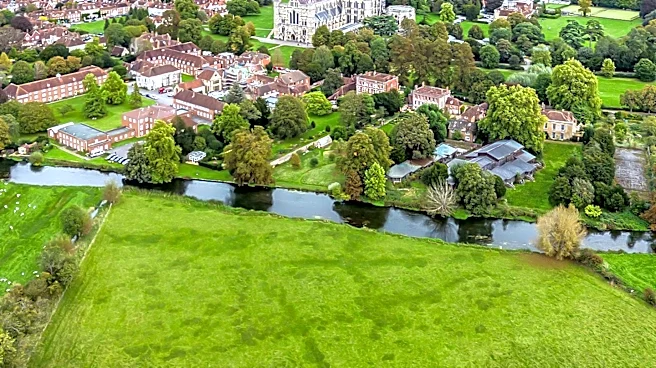
The Church of England has decided against a proposal to rewild 30% of its land by 2030, a move that has drawn criticism from environmental campaigners. The church, which owns approximately 42,500 hectares of land, currently uses only 3.5% for nature restoration.
The proposal, introduced by Rev Canon Val Plumb, aimed to align with the UK's international commitment to restore 30% of its land for nature by 2030. However, the church's national assembly passed an alternative amendment without specific rewilding targets, citing legal obligations and the need for long-term capital growth. Campaigners, including Claire Rogers from Wild Card, expressed disappointment, arguing that the church missed an opportunity to demonstrate moral leadership amid a global environmental crisis.
Why It's Important?
The decision by the Church of England is significant as it highlights the tension between environmental goals and institutional responsibilities. As one of the largest landowners in England, the church's actions could have set a precedent for other landowners to follow suit in environmental restoration efforts. The rejection of the rewilding plan may slow progress towards the UK's 30by30 target, a critical benchmark for reversing biodiversity loss. This decision underscores the challenges faced by organizations balancing environmental commitments with financial and legal responsibilities. The broader impact could influence public perception of the church's role in addressing climate change and environmental degradation.