






What's Happening?
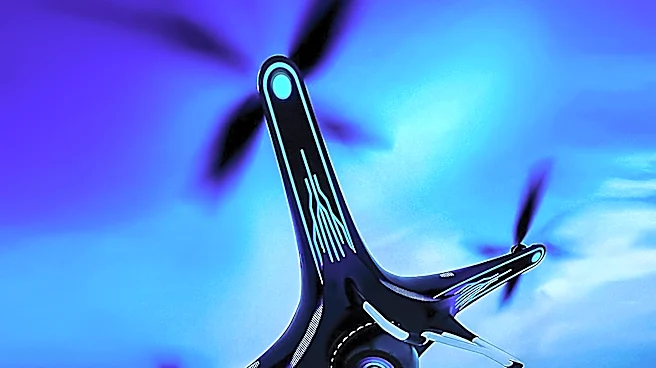
Russia has updated its drones to hit moving targets using mesh radio networks, a significant advancement in the ongoing drone arms race with Ukraine. This development allows Russian drones, such as the Geran-2, to be redirected in flight onto moving targets,
enhancing their operational flexibility. The use of mesh networks enables ground operators to retask drones after launch, bypassing traditional jamming techniques. This innovation is part of a broader technological back-and-forth between Russia and Ukraine, with each side continuously developing new capabilities and countermeasures.
Why It's Important?
The advancement of Russian drone technology poses a significant challenge to NATO's defense strategies. The ability to retask drones in real-time increases the threat to moving targets, complicating defense efforts. This development underscores the need for NATO and its allies to enhance their electronic warfare capabilities and develop new countermeasures. The ongoing arms race highlights the importance of technological innovation in modern warfare, as both sides strive to outpace each other in drone production and capabilities. The implications extend beyond the immediate conflict, influencing global defense strategies and security policies.
What's Next?
In response to Russia's advancements, NATO countries may increase their investment in electronic warfare and counter-drone technologies. Collaborative efforts among member states could lead to the development of new defense systems capable of countering mesh-networked drones. Additionally, the arms race is likely to drive further innovation in drone technology, with both sides seeking to gain a strategic advantage. The international community will need to monitor these developments closely, as they have the potential to reshape the landscape of modern warfare and influence global security dynamics.