








What's Happening?
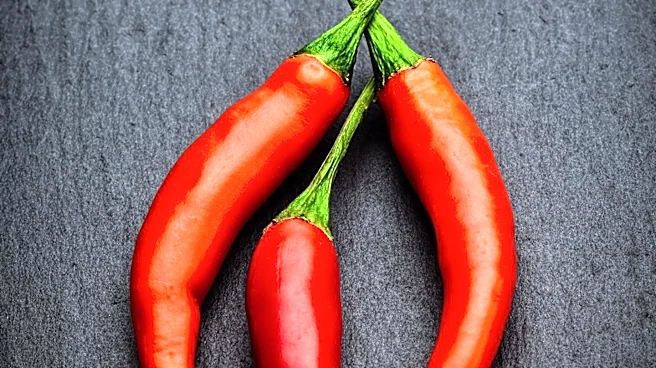
A recent review of 14 observational studies suggests that high consumption of chili peppers may be associated with an increased risk of certain digestive cancers, particularly esophageal cancer. The analysis involved over 11,000 participants, including
more than 5,000 diagnosed with gastrointestinal cancers. Those with the highest chili pepper intake were found to be 64% more likely to develop these cancers. However, experts caution that the findings do not establish a direct causal relationship between chili peppers and cancer, emphasizing the need for careful interpretation of the results.
Why It's Important?
The study highlights potential dietary risk factors for cancer, prompting discussions on the role of spicy foods in health. While the findings suggest a possible link, they also underscore the complexity of dietary influences on cancer risk. The research calls for a balanced approach to dietary recommendations, focusing on well-established risk factors like smoking and alcohol consumption. This study may influence future dietary guidelines and public health strategies aimed at cancer prevention, emphasizing the need for further research to clarify the relationship between chili pepper consumption and cancer.
What's Next?
Further long-term studies are needed to determine whether chili peppers directly contribute to cancer development or if other lifestyle factors are at play. Researchers will likely explore the biological mechanisms behind the observed associations, considering factors like genetic predispositions and regional dietary habits. Public health messages may evolve to incorporate these findings, potentially affecting dietary advice and cancer prevention strategies. Ongoing research will aim to provide clearer guidance on the consumption of spicy foods and their health implications.